
Meditation Techniques for a Snore-Free Night’s Sleep
Sleep is essential for our physical and mental well-being. It allows our bodies to rest and recharge, and is crucial for maintaining a healthy immune system, improving memory and concentration, and reducing stress levels. However, for many people, a good night’s sleep can be disrupted by snoring. Snoring not only affects the person snoring, but it can also disturb their partner and lead to poor sleep quality for both individuals. Luckily, there are various meditation techniques that can help reduce and even eliminate snoring, allowing for a peaceful and snore-free night’s sleep. In this blog post, we will explore these techniques and how they can improve your sleep quality.
1. Mindful Breathing
The first technique we will discuss is mindful breathing. This technique involves focusing on your breath and being fully present in the moment. It can be done in any comfortable position, either sitting or lying down. Start by taking a few deep breaths, and then focus on the sensation of the breath entering and leaving your body. Notice the rise and fall of your chest and the sensation of the air moving in and out of your nose. Whenever your mind starts to wander, gently bring your focus back to your breath. This practice can help calm the mind and promote relaxation, making it easier to fall asleep and reducing the likelihood of snoring.
2. Progressive Muscle Relaxation
Another helpful technique for reducing snoring is progressive muscle relaxation. This involves tensing and then relaxing each muscle group in your body, starting from your toes and working your way up to your face. Begin by tensing your toes for a few seconds, then release and relax them. Move on to your feet, ankles, calves, and so on, until you reach your face. This practice helps release tension from the body and promotes a state of deep relaxation, making it easier to fall asleep and reducing snoring.
3. Visualization
Visualization is a powerful technique that can help calm the mind and promote relaxation. It involves creating a mental image of a peaceful and soothing place, such as a beach or a forest. Close your eyes and focus on every detail of this place – the sounds, smells, and sensations. This practice can help reduce stress and anxiety, which are common causes of snoring. It can also distract the mind from any racing thoughts and promote a sense of calm, making it easier to fall asleep and reducing snoring.
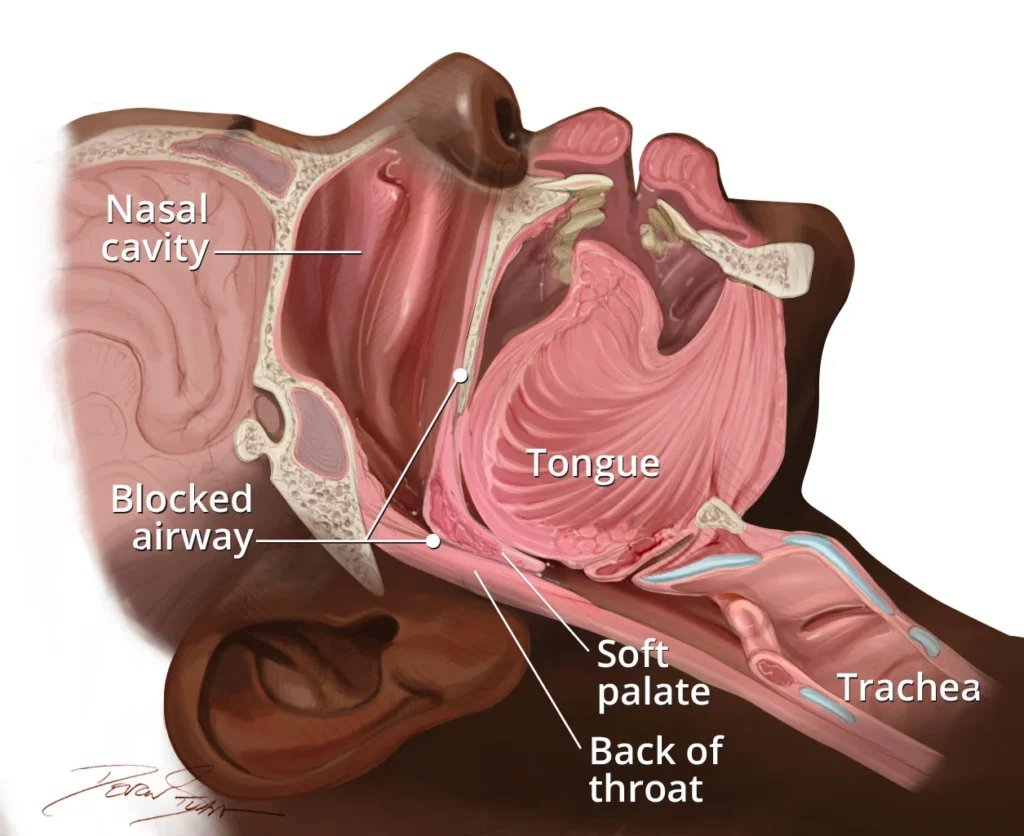
Meditation Techniques for a Snore-Free Night's Sleep
4. Mantra Meditation
Mantra meditation involves repeating a word or phrase silently or out loud to help focus the mind and promote relaxation. You can choose any word or phrase that resonates with you, such as “peace” or “calm.” Sit comfortably and close your eyes, then repeat your chosen mantra with every inhale and exhale. If your mind starts to wander, gently bring your focus back to the mantra. This practice can help quiet the mind and promote a sense of calm, reducing snoring and improving sleep quality.
5. Body Scan Meditation
Body scan meditation involves bringing awareness to each part of your body, starting from your toes and working your way up to your head. Close your eyes and focus on each part of your body, noticing any sensations or areas of tension. As you become aware of these areas, consciously relax and release the tension. This practice can help release physical tension from the body, promoting a state of deep relaxation and reducing snoring.
6. Breathing Exercises
Various breathing exercises can also be helpful in reducing snoring. One effective exercise is the 4-7-8 breathing technique, which involves inhaling for four seconds, holding the breath for seven seconds, and exhaling for eight seconds. This practice helps slow down the breathing rate, promoting relaxation and reducing snoring. Another exercise is alternate nostril breathing, which involves inhaling through one nostril and exhaling through the other, alternating between the two. This exercise can help balance the nervous system and promote relaxation, reducing snoring.
In addition to these meditation techniques, there are also lifestyle changes that can help reduce snoring and promote a better night’s sleep. These include maintaining a healthy weight, avoiding alcohol and heavy meals before bedtime, and keeping a regular sleep schedule.
In summary, snoring can disrupt your sleep and your partner’s sleep, leading to a range of health issues. By incorporating meditation techniques into your nightly routine, you can promote relaxation, reduce stress and anxiety, and improve sleep quality. Mindful breathing, progressive muscle relaxation, visualization, mantra meditation, body scan meditation, and breathing exercises are all effective ways to reduce snoring and promote a snore-free night’s sleep. So, the next time you find yourself or your partner struggling with snoring, give these techniques a try and enjoy a peaceful and restful night’s sleep.