
Menopause can be a challenging time for many women, as it marks the end of their reproductive years and brings about a variety of physical and emotional changes. One common symptom that many women experience during menopause is snoring. While snoring may not seem like a serious issue, it can greatly impact a woman’s quality of sleep and overall well-being. In this blog post, we will explore the connection between menopause and snoring and provide tips on how to get the rest you deserve.
Understanding Menopause and Its Effects on Sleep
Menopause is a natural biological process that occurs in women in their late 40s or early 50s. It is marked by a decrease in estrogen and progesterone hormones, leading to the end of a woman’s menstrual cycle. As these hormonal changes take place, women may experience a range of symptoms such as hot flashes, mood swings, and changes in sleep patterns.
One of the most common sleep disturbances during menopause is snoring. This is because the decrease in estrogen and progesterone can lead to the relaxation of the muscles in the throat, causing the airway to narrow and resulting in snoring. Other factors that may contribute to snoring during menopause include weight gain, alcohol consumption, and smoking.
The Impact of Snoring on Menopausal Women
While snoring may seem like a minor annoyance, it can have a significant impact on a woman’s health and well-being. Chronic snoring can lead to poor sleep quality, which can result in fatigue, irritability, and difficulty concentrating during the day. It can also increase the risk of developing other health conditions such as high blood pressure, heart disease, and stroke.
Furthermore, snoring can also affect a woman’s partner, causing them to experience sleep disturbances as well. This can lead to strain on the relationship and even separate sleeping arrangements.
Tips for Managing Snoring During Menopause
Fortunately, there are steps that menopausal women can take to reduce or eliminate snoring and get the rest they deserve.
1. Maintain a Healthy Weight
Weight gain is common during menopause, and it can contribute to snoring. Excess weight around the neck and throat can put pressure on the airway, making it more likely to collapse and cause snoring. Maintaining a healthy weight through a balanced diet and regular exercise can help reduce snoring.
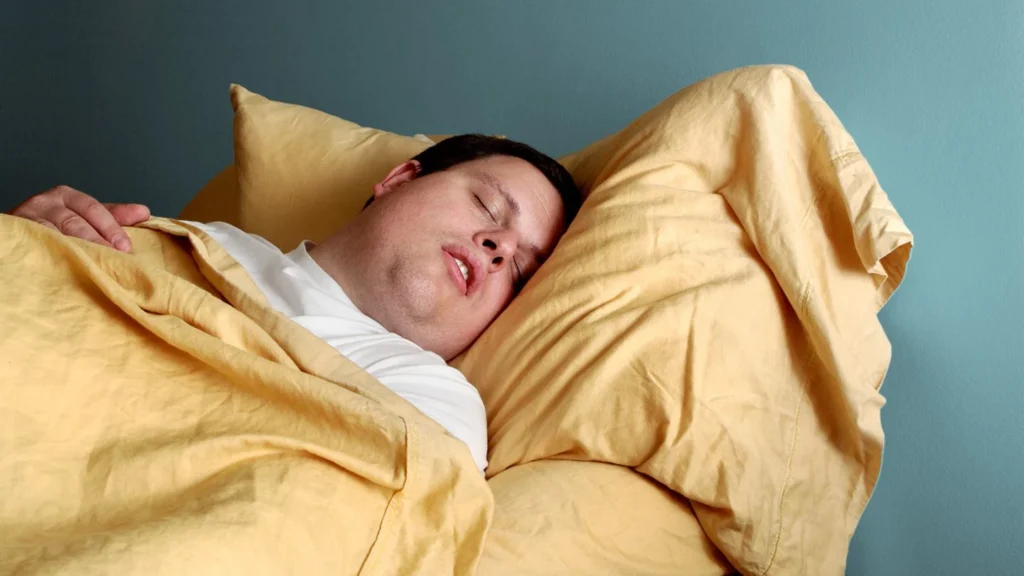
Menopause and Snoring: How to Get the Rest You Deserve
2. Avoid Alcohol and Smoking
Alcohol and smoking can relax the throat muscles and contribute to snoring. Avoiding these substances, especially before bedtime, can help reduce snoring and improve sleep quality.
3. Practice Good Sleep Hygiene
Establishing a regular sleep routine and creating a comfortable sleep environment can also help reduce snoring. This includes going to bed and waking up at the same time each day, keeping the bedroom dark and cool, and using comfortable pillows and bedding.
4. Consider Hormone Therapy
Hormone therapy, which involves taking estrogen and progesterone supplements, can help alleviate menopause symptoms, including snoring. However, it is essential to consult with a doctor before starting hormone therapy, as it may not be suitable for everyone.
5. Try Anti-Snoring Devices
There are various anti-snoring devices available that can help keep the airway open during sleep. These include nasal strips, mouthpieces, and chin straps. It is best to consult with a doctor before trying these devices to ensure they are safe and effective for your specific needs.
6. Consult with a Doctor
If snoring is significantly impacting your sleep and overall health, it is essential to consult with a doctor. They can help identify any underlying causes of snoring and provide appropriate treatment options.
In conclusion, snoring during menopause can be a frustrating and disruptive issue, but it is not something that women have to live with. By maintaining a healthy lifestyle, practicing good sleep hygiene, and seeking medical advice when needed, women can manage their snoring and get the rest they deserve during this transitional time in their lives.
In summary, menopause can cause hormonal changes that lead to snoring in women. This can greatly impact sleep quality and overall health, but there are steps that can be taken to manage snoring. These include maintaining a healthy weight, avoiding alcohol and smoking, practicing good sleep hygiene, considering hormone therapy, trying anti-snoring devices, and consulting with a doctor.