
Mouthguards for Snoring: A Natural and Non-Invasive Solution
Snoring is a common problem that affects millions of people worldwide. It is not only a nuisance to the snorer’s bed partner, but it can also lead to serious health issues for the snorer. Many factors can contribute to snoring, such as obesity, alcohol consumption, allergies, and sleep disorders. While there are various remedies and treatments available for snoring, some people are turning to mouthguards as a natural and non-invasive solution.
In this blog post, we will discuss what mouthguards are, how they can help with snoring, their benefits and drawbacks, and how to choose the right one for you. We will also address some frequently asked questions about mouthguards for snoring. So, if you or your loved one struggles with snoring, keep reading to learn more about this potential solution.
What are Mouthguards for Snoring?
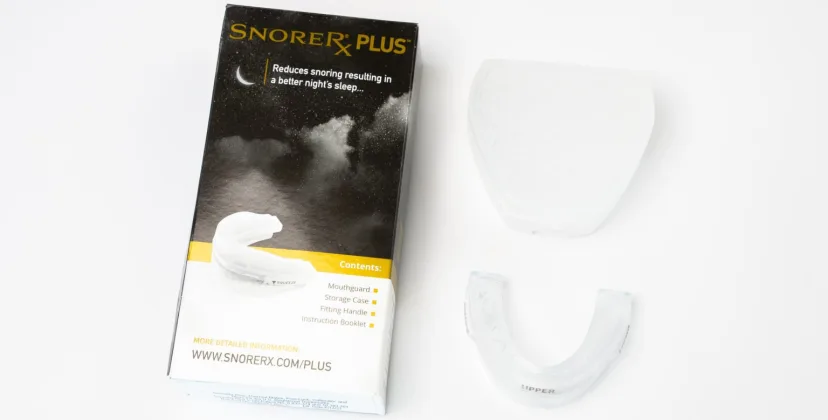
Mouthguards for snoring, also known as anti-snoring mouthpieces, are devices that are worn in the mouth during sleep. They are designed to keep the airway open by moving the jaw forward, preventing the tongue from falling back and blocking the air passage. This ensures that air can flow freely, reducing or eliminating the vibrations that cause snoring.
There are two types of mouthguards for snoring: mandibular advancement devices (MADs) and tongue retaining devices (TRDs). MADs work by pushing the lower jaw forward, while TRDs hold the tongue in place to prevent it from blocking the airway. Both types of mouthguards are custom-made to fit each individual’s mouth comfortably.
How Can Mouthguards Help with Snoring?
As mentioned earlier, mouthguards for snoring work by keeping the airway open, allowing for better airflow during sleep. By preventing the tongue from falling back and blocking the air passage, mouthguards can significantly reduce or even eliminate snoring. This is especially helpful for individuals who snore due to their tongue’s position during sleep.
Mouthguards can also help with snoring caused by sleep apnea. Sleep apnea is a sleep disorder where the airway becomes blocked, causing pauses in breathing during sleep. This can lead to fragmented sleep, daytime drowsiness, and other health issues. MADs and TRDs can be effective in treating mild to moderate sleep apnea by keeping the airway open and preventing pauses in breathing.
Benefits of Mouthguards for Snoring
1. Non-Invasive Solution: Unlike other treatments for snoring, such as surgery or continuous positive airway pressure (CPAP) machines, mouthguards are non-invasive. They do not involve any surgery or require the use of a machine, making them a more comfortable and natural solution for snoring.
2. Comfortable to Wear: Mouthguards for snoring are custom-made to fit each individual’s mouth, making them more comfortable to wear than a one-size-fits-all device. They are also made from soft materials, so they do not cause any discomfort or pain in the mouth or jaw.
3. Portable and Easy to Use: Mouthguards for snoring are small and portable, making them easy to travel with. They are also simple to use, requiring no complicated set-up or maintenance.
4. Affordable: Compared to other snoring treatments, mouthguards are relatively affordable. They do not require any ongoing costs, such as replacement parts or medication, making them a cost-effective option in the long run.
Drawbacks of Mouthguards for Snoring
1. May Cause Temporary Side Effects: Some individuals may experience temporary side effects when first using a mouthguard, such as excessive salivation, jaw pain, or tooth discomfort. These side effects usually subside within a few days as the mouth gets used to the device.
2. Not Suitable for Everyone: Mouthguards may not be suitable for individuals with certain medical conditions, such as severe sleep apnea, loose teeth, or temporomandibular joint (TMJ) disorder. It is essential to consult with a dentist or doctor before using a mouthguard for snoring.
Mouthguards for Snoring: A Natural and Non-Invasive Solution
3. Requires Consistent Use: Mouthguards for snoring need to be worn every night to be effective. If an individual does not consistently use the mouthguard, they may not experience its full benefits.
How to Choose the Right Mouthguard for You
When choosing a mouthguard for snoring, there are a few factors to consider to ensure you find the right one for your needs.
1. Type: As mentioned earlier, there are two types of mouthguards for snoring: MADs and TRDs. It is essential to consult with a dentist or doctor to determine which type would be most suitable for you.
2. Custom Fit: Custom-made mouthguards are more effective and comfortable than one-size-fits-all devices. Look for a mouthguard that can be customized to fit your mouth.
3. Material: Mouthguards are typically made from either silicone or thermoplastic material. Silicone is softer and more comfortable, while thermoplastic is more durable. Consider which material would be more suitable for your needs.
4. Adjustability: Some mouthguards have adjustable settings for the jaw position, which can be beneficial for individuals who need a more precise fit.
Frequently Asked Questions about Mouthguards for Snoring
1. Are mouthguards for snoring safe to use?
Yes, mouthguards for snoring are generally safe to use. However, it is essential to consult with a dentist or doctor before using one, especially if you have any medical conditions.
2. Can mouthguards be used for sleep apnea?
Yes, mouthguards can be used to treat mild to moderate sleep apnea. However, it is crucial to consult with a doctor to determine the severity of your sleep apnea and if a mouthguard would be a suitable treatment option.
3. How long does it take to see results from using a mouthguard for snoring?
Individual results may vary, but many people experience improvement in their snoring within a few nights of using a mouthguard. It may take a few weeks to see the full effects.
4. Do mouthguards for snoring need to be replaced?
Mouthguards typically last for 1-2 years with proper care and maintenance. However, it is essential to check with the manufacturer for specific recommendations on when to replace your mouthguard.
In conclusion, snoring can have a significant impact on an individual’s quality of sleep and overall health. While there are various treatments available, mouthguards for snoring offer a natural and non-invasive solution. They can help keep the airway open, reduce snoring, and even treat mild to moderate sleep apnea. With their affordability, comfort, and ease of use, mouthguards are worth considering for anyone struggling with snoring.