
Before you try another viral sleep hack, run this quick checklist:
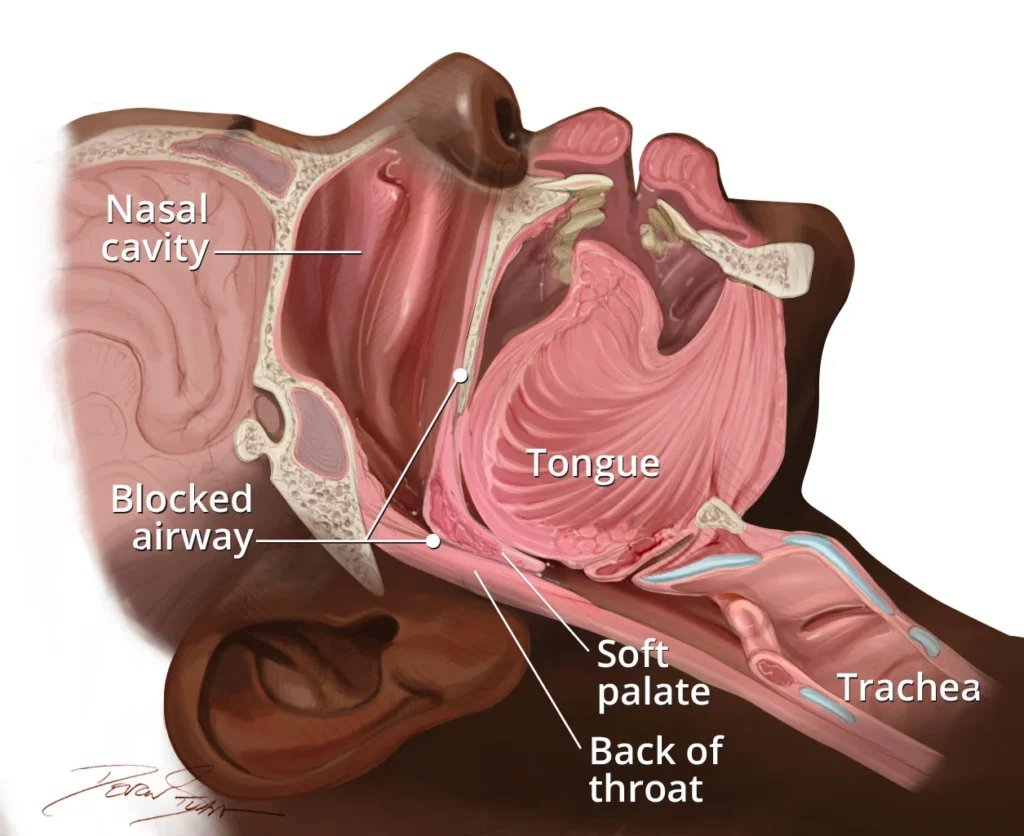
- Is snoring wrecking your sleep quality (or your partner’s)?
- Are you tempted by trending “quick fixes” like taping your mouth shut at night?
- Do you wake up tired, foggy, or with headaches even after “enough” hours?
- Have you tried basics (side sleeping, less late alcohol, a consistent bedtime) and still snore?
If you’re nodding along, an anti snoring mouthpiece may be a practical next step. It’s also a good moment to zoom out. Snoring isn’t just a punchline in relationship memes. It’s often a sleep-quality problem that spills into mood, focus, workouts, and patience at work.
Overview: What people are talking about (and why it matters)
Sleep is having a moment. Everyone wants a gadget, a “biohack,” or a one-night reset. Headlines keep circling the same themes: burnout, doomscrolling, travel fatigue, and the urge to try whatever is trending.
One trend getting pushback is mouth taping. If you’ve seen it on social feeds, you’ve also probably seen experts urging caution. Here’s a helpful starting point for context: Scientists warn against viral nighttime mouth-taping trend.
Meanwhile, snoring solutions that focus on mechanics—like mouthpieces—keep coming up because they aim at the airflow issue without relying on a risky “hack.”
Timing: When to try a mouthpiece (and when to pause)
Good time to try: You snore most nights, you wake up with a dry mouth, or your sleep feels shallow even when your schedule is decent. It’s also common to snore more during stressful stretches, after travel, or when you’re stuck sleeping on your back.
Hit pause and consider a medical evaluation: Loud snoring plus choking/gasping, repeated wake-ups, or ongoing daytime sleepiness can be signs of a bigger breathing issue. Some reports highlight that many people miss common warning signs of sleep apnea. You don’t need to self-diagnose, but you should take those signals seriously.
Supplies: What you need for a clean, comfortable setup
- Your mouthpiece (follow the brand’s fitting instructions closely).
- A mirror for checking seating and symmetry.
- Toothbrush + gentle soap (or the recommended cleaner) for daily cleanup.
- A ventilated case so it dries fully between uses.
- Optional: a glass of water at bedside for early adjustment nights.
If you’re shopping, start here: anti snoring mouthpiece.
Step-by-step (ICI): Insert → Check → Improve
This is a simple routine you can repeat nightly. It keeps you from “winging it,” which is where most comfort problems start.
1) Insert: set the baseline fit
Wash your hands and rinse the mouthpiece. Then insert it as directed. Aim for a secure fit that doesn’t feel like it’s fighting your jaw.
If your device is adjustable, start conservative. Big jumps in advancement can feel aggressive and may cause soreness.
2) Check: confirm comfort, seal, and position
- Comfort: You should be able to relax your face. Clenching defeats the purpose.
- Position: The mouthpiece should sit evenly. If it’s crooked, your jaw may drift.
- Breathing: You should be able to breathe comfortably. If you can’t, stop and reassess.
Do a quick “pillow test.” Lie on your side in your usual sleep posture. If it pops loose, you likely need a better fit or a different style.
3) Improve: small tweaks over several nights
Give your body time to adapt. Many people quit after one uncomfortable night, then go right back to scrolling for the next miracle fix.
Instead, adjust gradually. Track two things: snoring feedback (from a partner or a simple recording) and how you feel in the morning.
Mistakes that make snoring gear fail (even when it’s “good”)
Overcorrecting on night one
Cranking an adjustable mouthpiece too far forward can create jaw soreness and make you abandon it. Slow progress wins here.
Ignoring sleep hygiene because you bought a device
A mouthpiece can help, but it can’t outwork three hours of late-night scrolling. If you keep losing time to your phone, your sleep depth will suffer even if snoring improves.
Using it with untreated nasal congestion
If your nose is blocked, you’ll struggle. Address congestion safely and consider talking with a clinician if it’s frequent.
Skipping cleaning and drying
Daily rinse plus proper drying helps with odor and irritation. A damp case is a fast track to “this feels gross” and quitting.
Missing red flags
Snoring plus major daytime fatigue, morning headaches, or witnessed breathing pauses deserves attention. A mouthpiece isn’t a substitute for evaluation when symptoms point to something more serious.
FAQ: Quick answers people want right now
Are anti-snoring mouthpieces worth trying before expensive sleep tech?
They can be. Many people start with wearables and apps, but a simple mechanical approach may address the snoring itself.
Will it help relationship sleep drama?
It can reduce the nightly “who’s moving to the couch?” routine. The best results usually come from combining the mouthpiece with side-sleeping and a consistent schedule.
What if I only snore during burnout weeks?
Stress, alcohol, and irregular sleep can worsen snoring. A mouthpiece may help, but you’ll also want to tighten the basics for a week and see what changes.
CTA: Pick a safer path than trends
If you’re tired of experimenting on your sleep, choose a plan you can repeat. Start with fit, comfort, and consistency—then judge results over a week, not one night.
How do anti-snoring mouthpieces work?
Medical disclaimer: This article is for general education only and isn’t medical advice. Snoring can be linked to sleep-disordered breathing. If you have choking/gasping at night, severe daytime sleepiness, chest pain, or other concerning symptoms, seek care from a qualified clinician.