
Blog Post: Mouthpiece for Snoring and Deviated Septum: Before and After Results
Snoring is a common problem that affects millions of people worldwide. It not only disrupts the sleep of the snorer but also their partner, leading to fatigue, irritability, and even relationship problems. One of the main causes of snoring is a deviated septum, which is a condition where the nasal septum (the tissue that divides the nose into two chambers) is off-center or crooked. This causes difficulty in breathing, leading to snoring and other health issues. While there are various treatments available for snoring and deviated septum, one of the most effective and non-invasive options is a mouthpiece. In this blog post, we will discuss the before and after results of using a mouthpiece for snoring and deviated septum.
What is a Mouthpiece for Snoring and Deviated Septum?
A mouthpiece, also known as an oral appliance, is a dental device that is worn in the mouth to treat snoring and sleep apnea. It is custom-made to fit the individual’s mouth and is designed to keep the airway open by moving the jaw and tongue forward. This prevents the soft tissues in the throat from collapsing and causing snoring. A mouthpiece is also used to treat a deviated septum by keeping the nasal passages open and allowing for better airflow.
Before and After Results of Using a Mouthpiece for Snoring
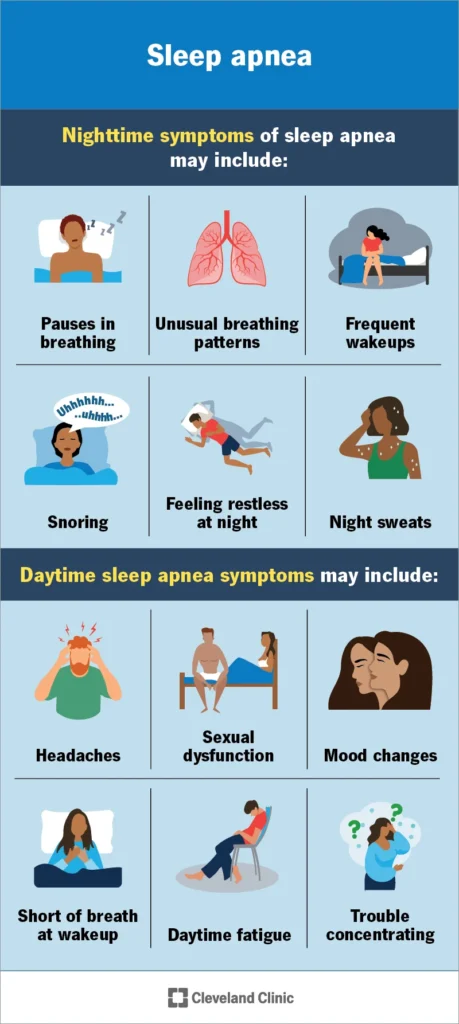
Snoring can have a significant impact on the quality of sleep and overall health of an individual. It can lead to daytime fatigue, irritability, and even increase the risk of heart disease and stroke. Therefore, finding a solution to snoring is crucial. Here are the before and after results of using a mouthpiece for snoring:
Before:
– Loud and disruptive snoring: Snoring is caused by the vibration of the soft tissues in the throat when the airway is obstructed. This can range from mild to loud, disruptive snoring, which can disturb the sleep of the snorer and their partner.
– Daytime fatigue: Due to interrupted sleep, snorers often experience daytime fatigue, which can affect their productivity and overall well-being.
– Irritability: Lack of quality sleep can also lead to irritability and mood swings in snorers, affecting their personal and professional relationships.
– Health risks: Chronic snoring can increase the risk of heart disease, stroke, and other health issues.
After:
Mouthpiece for Snoring and Deviated Septum: Before and After Results
– Reduced or eliminated snoring: One of the most significant improvements seen after using a mouthpiece for snoring is the reduction or elimination of snoring. By keeping the airway open, the mouthpiece prevents the soft tissues from collapsing and causing snoring.
– Better sleep quality: With snoring reduced or eliminated, both the snorer and their partner can enjoy better sleep quality, leading to improved overall health.
– More energy: With better sleep, comes more energy. Snorers who use a mouthpiece report feeling more rested and energetic throughout the day.
– Improved mood: Quality sleep also leads to a better mood, reducing irritability and mood swings caused by snoring.
– Lower health risks: By effectively treating snoring, a mouthpiece can also lower the risk of heart disease, stroke, and other health issues associated with chronic snoring.
Before and After Results of Using a Mouthpiece for Deviated Septum
A deviated septum can cause difficulty in breathing, leading to snoring, sleep apnea, and other health issues. Here are the before and after results of using a mouthpiece for a deviated septum:
Before:
– Difficulty in breathing: A deviated septum can make it challenging to breathe through the nose, leading to mouth breathing and snoring.
– Chronic sinus infections: The misalignment of the nasal septum can make it difficult for mucus to drain properly, leading to chronic sinus infections.
– Snoring and sleep apnea: As a deviated septum causes difficulty in breathing, it can also lead to snoring and sleep apnea.
After:
– Improved breathing: A mouthpiece for a deviated septum can help keep the nasal passages open, allowing for better airflow and improved breathing.
– Reduced sinus infections: With improved airflow, mucus can drain more efficiently, reducing the risk of chronic sinus infections.
– Reduced snoring and sleep apnea: By keeping the airway open, a mouthpiece can also reduce snoring and sleep apnea caused by a deviated septum.
In conclusion, a mouthpiece is an effective and non-invasive treatment for snoring and deviated septum. It not only reduces or eliminates snoring but also improves the overall quality of sleep, energy levels, and mood. If you or your partner are struggling with snoring or a deviated septum, consult with a sleep specialist to see if a mouthpiece is the right solution for you.
SEO Metadata: