
Blog Post:
Mouthpiece Mastery: How to Use It for Maximum Relief from Snoring and Allergies
Snoring and allergies are common problems that can disrupt sleep and affect overall health and well-being. While there are various remedies available, one effective solution is the use of a mouthpiece. Mouthpieces are dental devices that can be used to treat snoring and alleviate allergies. In this blog post, we will discuss the benefits of using a mouthpiece and how to use it for maximum relief.
What is a Mouthpiece?
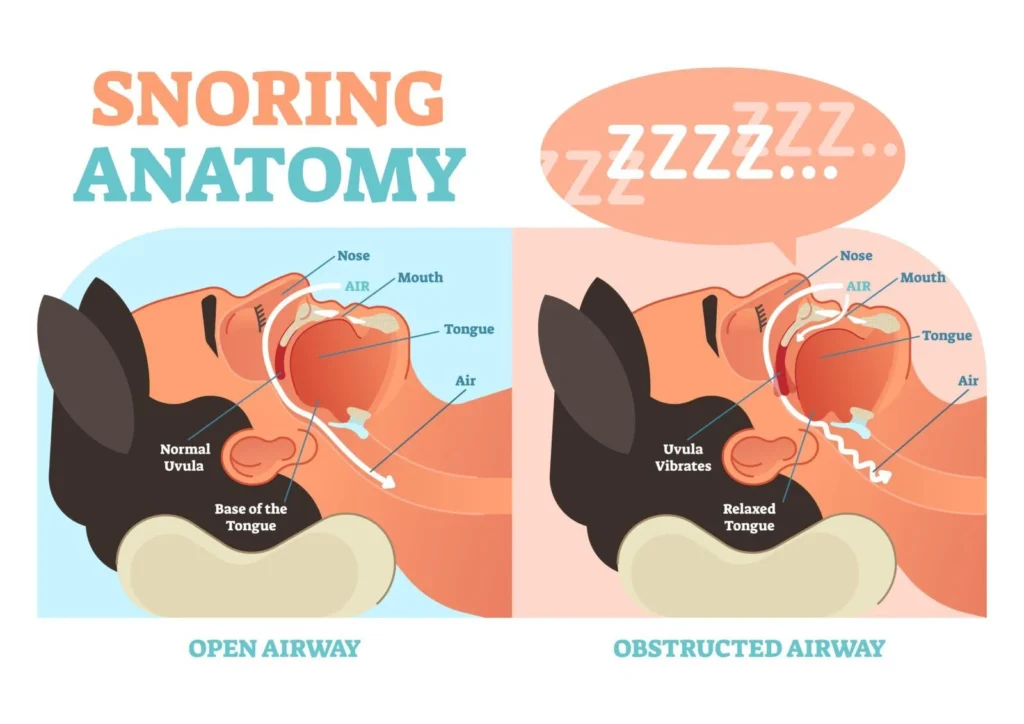
A mouthpiece, also known as a dental appliance, is a device that is worn in the mouth to treat snoring and allergies. It is usually made of plastic and custom-fitted to the individual’s mouth by a dentist. There are two types of mouthpieces: mandibular advancement devices (MADs) and tongue retaining devices (TRDs). MADs work by holding the lower jaw and tongue in a forward position, while TRDs keep the tongue in place to prevent it from blocking the airway.
Benefits of Using a Mouthpiece
1. Reduces Snoring
Snoring occurs when the airway is partially blocked, causing vibrations in the throat. This can be caused by factors such as a narrow airway, enlarged tonsils, or a deviated septum. Mouthpieces work by keeping the airway open and preventing the tongue from falling back and blocking the air passage. This results in reduced snoring and a quieter night’s sleep for both the snorer and their partner.
2. Alleviates Allergies
Allergies can also contribute to snoring by causing congestion and inflammation in the nasal passages. Mouthpieces can help alleviate allergies by opening up the airway, allowing for easier breathing. This can also help reduce post-nasal drip and congestion, which can disrupt sleep and lead to snoring.
3. Improves Sleep Quality
Snoring and allergies can disrupt sleep and lead to poor sleep quality. This can leave you feeling tired and groggy the next day, affecting your productivity and overall well-being. By reducing snoring and alleviating allergies, mouthpieces can improve sleep quality, allowing you to wake up feeling refreshed and well-rested.
4. Non-Invasive and Cost-Effective
Mouthpiece Mastery: How to Use It for Maximum Relief from Snoring and Allergies
Unlike other remedies such as surgery or medication, mouthpieces are non-invasive and do not require any recovery time. They are also cost-effective, making them a more accessible option for those seeking relief from snoring and allergies.
How to Use a Mouthpiece for Maximum Relief
1. Choose the Right Type of Mouthpiece
As mentioned earlier, there are two types of mouthpieces: MADs and TRDs. It is essential to consult with a dentist to determine which type is best suited for your specific needs. They will also take into account factors such as the severity of your snoring and the size of your mouth to ensure a proper fit.
2. Follow Proper Care Instructions
To ensure the effectiveness and longevity of your mouthpiece, it is crucial to follow proper care instructions. This includes brushing it with a toothbrush and toothpaste after each use, storing it in a clean and dry place, and replacing it as recommended by your dentist.
3. Give It Time to Adjust
It may take some time to get used to wearing a mouthpiece, especially if you have never used one before. It is normal to experience some discomfort or difficulty with speech in the first few days. However, it is essential to give your mouth and jaw time to adjust to the device before giving up on it.
4. Use Consistently
Consistency is key when using a mouthpiece. It should be worn every night to see the full benefits. Skipping nights or only using it occasionally may not provide the desired results.
5. Combine with Other Remedies
While mouthpieces can be effective on their own, combining them with other remedies can further improve their effectiveness. This can include maintaining a healthy weight, avoiding alcohol and smoking, and using nasal strips or sprays to alleviate congestion.
In summary, mouthpieces are an effective and non-invasive solution for snoring and allergies. By keeping the airway open and preventing the tongue from blocking the air passage, they can reduce snoring, alleviate allergies, and improve sleep quality. To use a mouthpiece for maximum relief, it is essential to choose the right type, follow proper care instructions, give it time to adjust, use it consistently, and combine it with other remedies if needed. Consult with a dentist to determine if a mouthpiece is the right solution for your snoring and allergy problems.