
Blog Post:
Snoring can be a disruptive and frustrating issue for both the snorer and their sleeping partner. Not only does it disrupt sleep, but it can also lead to health problems and strain relationships. While there are many potential causes of snoring, one common culprit is an improperly fitting or worn-out mouthpiece. In this blog post, we will explore the connection between mouthpieces and snoring, and provide tips on how to choose the right mouthpiece to stop snoring for good.
Understanding the Role of Mouthpieces in Snoring
Before we dive into how mouthpieces can help with snoring, it’s important to understand the basics of snoring. Snoring occurs when the airway is partially blocked during sleep, causing vibrations in the throat and resulting in the familiar snoring sound. Many factors can contribute to this blockage, such as the position of the jaw, tongue, and throat muscles.
Mouthpieces, also known as oral appliances, work by repositioning the jaw and tongue to keep the airway open and prevent snoring. They are typically made of plastic and are custom-fitted to the individual’s mouth for optimal effectiveness. There are two main types of mouthpieces for snoring: mandibular advancement devices (MADs) and tongue-retaining devices (TRDs).
Mandibular Advancement Devices (MADs)
MADs are the most commonly used type of mouthpiece for snoring. They work by moving the lower jaw slightly forward, which helps to keep the airway open. This also prevents the tongue from falling back and blocking the airway. MADs are often adjustable, allowing the user to find the most comfortable and effective position for their jaw.
Tongue-Retaining Devices (TRDs)
TRDs work by holding the tongue in a forward position, preventing it from blocking the airway. Unlike MADs, TRDs do not move the jaw, making them a good option for those with jaw pain or discomfort. However, they may take some getting used to and can cause excess saliva production.
Tips for Choosing the Right Mouthpiece for You
With so many different mouthpieces on the market, it can be overwhelming to choose the right one for your specific needs. Here are some tips to help you make the best decision:
1. Consult with a Doctor or Dentist
Before trying any mouthpiece, it’s important to consult with a doctor or dentist who specializes in sleep disorders. They can assess your specific needs and recommend the best type of mouthpiece for you.
2. Consider Your Comfort
Mouthpieces can take some getting used to, so it’s important to choose one that is comfortable for you. Some people may prefer a MAD, while others may find a TRD more comfortable. It’s also essential to find a mouthpiece with the right fit for your mouth.
3. Look for FDA Approval
Make sure to choose a mouthpiece that has been approved by the Food and Drug Administration (FDA). This ensures that the product has been tested and deemed safe for use.
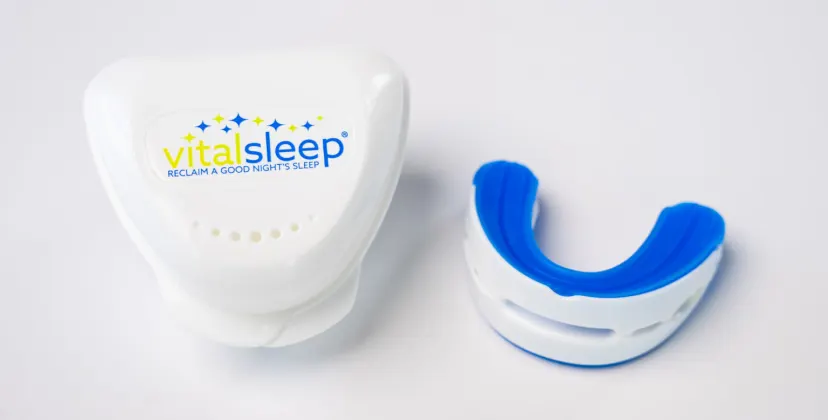
Mouthpieces and Sleep: How to Stop Snoring for Good
4. Read Reviews
Before purchasing a mouthpiece, it’s always a good idea to read reviews from other users. This can give you an idea of the effectiveness and comfort level of the product.
5. Replace Regularly
Like any other product, mouthpieces can wear out over time. It’s important to replace your mouthpiece regularly to ensure it is still effective in preventing snoring.
6. Try a Custom-Fit Mouthpiece
While there are many over-the-counter mouthpieces available, a custom-fit mouthpiece made by a dentist may provide the best results. These mouthpieces are specifically tailored to your mouth, providing maximum comfort and effectiveness.
Other Tips for Reducing Snoring
In addition to using a mouthpiece, there are other lifestyle changes you can make to reduce snoring. These include:
1. Maintain a Healthy Weight
Excess weight can contribute to snoring by putting pressure on the airway. Maintaining a healthy weight can help reduce snoring and improve overall health.
2. Avoid Alcohol and Sedatives Before Bed
Alcohol and sedatives can relax the muscles in the throat, making snoring more likely. Avoiding these substances before bed can help reduce snoring.
3. Sleep on Your Side
Sleeping on your back can cause the tongue to fall back and block the airway, leading to snoring. Sleeping on your side can help prevent this.
4. Keep Your Nasal Passages Clear
Nasal congestion can make it harder to breathe through the nose, leading to snoring. Using a nasal decongestant or a nasal strip can help keep your airways clear.
Summary:
Snoring can be a frustrating and disruptive issue for both the snorer and their partner. One common cause of snoring is an improperly fitting or worn-out mouthpiece. Mouthpieces work by repositioning the jaw and tongue to keep the airway open and prevent snoring. There are two main types of mouthpieces: MADs and TRDs. To choose the right mouthpiece, it’s important to consult with a doctor, consider comfort, look for FDA approval, read reviews, replace regularly, and consider a custom-fit mouthpiece. Other lifestyle changes, such as maintaining a healthy weight and sleeping on your side, can also help reduce snoring.