
Blog Post:
Sleep apnea and snoring are common sleep disorders that can have a significant impact on one’s quality of sleep and overall health. These conditions are often caused by a narrowing or obstruction of the airway during sleep, leading to pauses in breathing and loud, disruptive snoring. To treat these disorders, two popular options are mouthpieces and CPAP machines. In this blog post, we will explore the pros and cons of each and determine which is better for sleep apnea and snoring.
Mouthpieces, also known as oral appliances or mandibular advancement devices, are custom-made devices that are worn in the mouth while sleeping. They work by repositioning the jaw and tongue to keep the airway open and prevent obstruction. CPAP machines, on the other hand, are devices that deliver a continuous stream of pressurized air through a mask worn over the nose and mouth, keeping the airway open and ensuring proper breathing.
So, which one is better? Let’s take a closer look at the benefits and drawbacks of each to find out.
Mouthpieces for Sleep Apnea and Snoring
One of the main advantages of using a mouthpiece for sleep apnea and snoring is its ease of use. Unlike CPAP machines, which require electricity and a mask, mouthpieces are compact and can be easily carried while traveling. They also do not make any noise, making them a more discreet option for those who share a bed with a partner.
Another benefit of using a mouthpiece is that it is non-invasive. CPAP machines can be uncomfortable for some users, as they have to wear a mask and have air forced into their airway. Mouthpieces, on the other hand, simply sit in the mouth and do not require any external equipment. This can make them a more comfortable option for those who have trouble adjusting to CPAP therapy.
Mouthpieces are also an effective option for mild to moderate cases of sleep apnea and snoring. They work by gently pushing the jaw forward, thereby preventing the collapse of the airway. However, for severe cases of sleep apnea, CPAP machines may be more effective, as they provide a constant flow of air to keep the airway open.
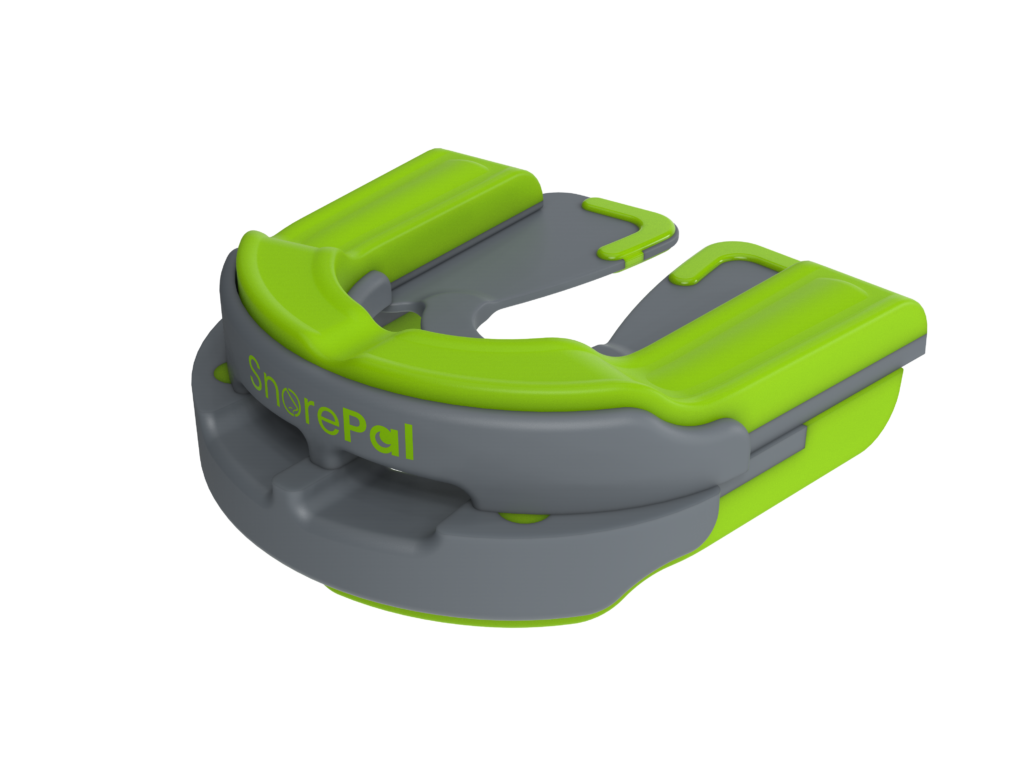
Mouthpieces vs. CPAP Machines: Which is Better for Sleep Apnea and Snoring?
However, there are some drawbacks to using a mouthpiece. They can cause jaw discomfort, especially in the first few weeks of use, and may even cause changes in bite or tooth alignment. It is important to have a custom-made mouthpiece fitted by a dentist to ensure a proper fit and minimize these side effects.
CPAP Machines for Sleep Apnea and Snoring
CPAP machines are considered the gold standard for treating sleep apnea and snoring. They are highly effective in keeping the airway open and preventing pauses in breathing. This can improve the quality of sleep and also reduce the risk of other health issues associated with sleep apnea, such as high blood pressure and heart disease.
Another advantage of using a CPAP machine is its ability to provide personalized settings for each individual. The pressure of the air can be adjusted to suit the needs of the user, making it a more effective treatment option for severe cases of sleep apnea. Some CPAP machines also come with additional features, such as heated humidifiers, to make the experience more comfortable for users.
However, there are some downsides to using a CPAP machine. They can be bulky and noisy, making them less convenient for travel and potentially disruptive for bed partners. The initial cost of purchasing a CPAP machine can also be quite high, and ongoing maintenance and replacement of parts can add to the overall cost.
Another major factor to consider is the compliance rate of CPAP therapy. Studies have shown that many users struggle to use their CPAP machines consistently, with some estimates showing a compliance rate of only 50%. This can be due to discomfort, inconvenience, or simply not wanting to use the machine. In contrast, mouthpieces have a higher compliance rate as they are more comfortable and easier to use.
Summary:
In summary, both mouthpieces and CPAP machines can be effective in treating sleep apnea and snoring. Mouthpieces are more convenient, non-invasive, and have a higher compliance rate, making them a suitable option for mild to moderate cases. CPAP machines, on the other hand, are highly effective for severe cases and provide personalized settings. However, they can be bulky, noisy, and have a lower compliance rate. Ultimately, the best treatment option will depend on the individual’s specific needs and preferences.