
Myth: Snoring is just “noise,” so the only real fix is earplugs.
Reality: Snoring often signals airflow resistance, and that can chip away at sleep quality for everyone in the room. The good news: practical tools (including an anti snoring mouthpiece) can help many people—especially when you focus on fit, comfort, positioning, and simple upkeep.
Right now, sleep is having a moment. People are buying sleep trackers, trying quick “fall asleep fast” hacks, and joking about relationship negotiations like “you take the dog, I’ll take the quiet bedroom.” Add travel fatigue, workplace burnout, and screens everywhere, and it’s no surprise snoring solutions are trending again.
Is snoring harmless, or should I take it seriously?
Occasional light snoring can be harmless. Still, persistent snoring can be a clue that your airway is struggling during sleep. That struggle can fragment rest, even if you don’t fully wake up.
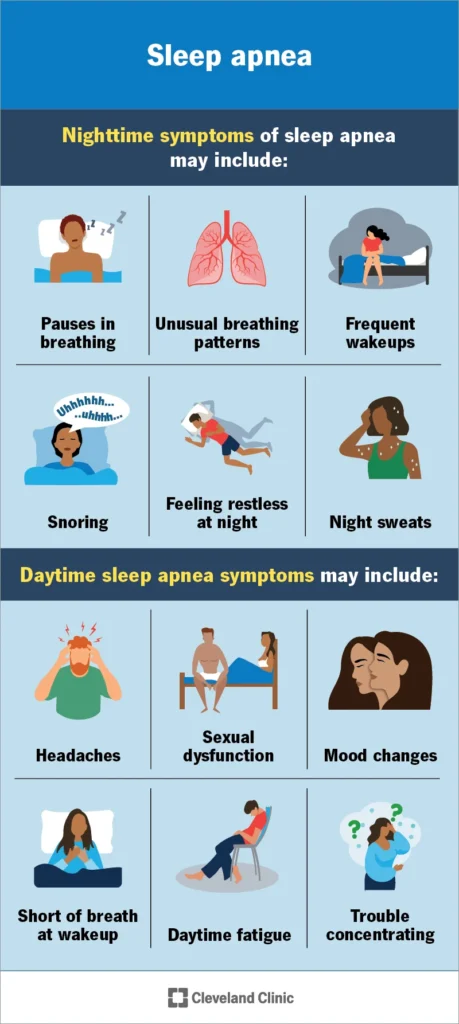
It’s also why sleep apnea keeps coming up in health coverage. Many people still misunderstand what obstructive sleep apnea looks like day-to-day. If you want a quick reality check on common myths, see this related coverage: What Misconceptions About Obstructive Sleep Apnea Would You Like to Bust?.
Red flags that deserve medical attention: choking or gasping at night, loud snoring most nights, morning headaches, high daytime sleepiness, or a partner noticing breathing pauses.
Why are mouthpieces and “connected” sleep gadgets trending?
Sleep tech is moving beyond simple tracking. Recent industry talk has highlighted oral appliances being studied in more “connected care” setups, where therapy and follow-up can be monitored over time. That doesn’t mean every snorer needs a high-tech ecosystem.
It does mean more people are thinking of snoring as a fixable sleep-health problem, not a personality flaw. That’s a healthier frame—especially for couples who are tired of nightly arguments and “guest room diplomacy.”
What does an anti snoring mouthpiece actually do?
Most anti-snoring mouthpieces work by positioning the lower jaw and tongue slightly forward. That can reduce airway collapse and vibration. Less vibration often means less snoring volume.
Think of it like kinking a garden hose versus straightening it. The goal is smoother airflow, not “forcing” your mouth open or clenching all night.
How do I choose a mouthpiece that I’ll actually wear?
Results depend on consistency, and consistency depends on comfort. Start with these practical checkpoints.
1) Fit: snug, not aggressive
A good fit should feel stable without pinching. If you dread putting it in, you won’t keep using it. Many people quit too early because they over-tighten or skip a gradual break-in period.
2) ICI basics: irritation, clench, and irritation again
When snoring solutions fail, it’s often because of ICI:
- Irritation: rough edges or a poor fit can rub gums or cheeks.
- Clenching: stress, burnout, or caffeine timing can make jaw tension worse.
- Irritation again: soreness leads to less use, which means less benefit.
Fix the loop by adjusting fit, wearing it for shorter periods at first, and addressing pre-bed tension (a calmer wind-down helps more than people expect).
3) Positioning: don’t ignore your sleep posture
Back sleeping can worsen snoring for many people. Side-sleeping, nasal breathing support, and a mouthpiece can work well together. Travel fatigue can also change your usual sleep position, which is why snoring often “mysteriously” spikes on work trips.
4) Cleanup: simple, consistent, non-negotiable
A mouthpiece sits in a warm, wet environment. Clean it daily, let it dry fully, and store it in a ventilated case. Skip hot water, which can warp some materials.
What’s a realistic plan for the first 14 nights?
Night 1–3: Aim for comfort over perfection. Wear it for a shorter window if needed, then build up.
Night 4–7: Watch for patterns: jaw stiffness, drooling, or wake-ups. Small adjustments often matter more than switching products immediately.
Week 2: Look for “quiet wins.” Maybe snoring drops from constant to occasional, or your partner stops nudging you at 2 a.m. Those are meaningful sleep-quality gains.
Which mouthpiece setup makes sense if my mouth falls open?
Some people snore more when the jaw drops and the mouth opens, especially with congestion or dry hotel air. In those cases, a combo approach can help.
If you’re comparing options, you can look at this anti snoring mouthpiece. The idea is straightforward: keep positioning stable, then make it easier to maintain nasal breathing when possible.
What else improves sleep quality alongside a mouthpiece?
Snoring fixes work best when your overall sleep is less “fragile.” That’s why behavioral sleep tips keep trending every January.
- Reduce overthinking at night: write a 2-minute list before bed so your brain stops “tab switching.”
- Protect circadian rhythm: consistent wake time beats a perfect bedtime.
- Lower pre-bed stimulation: a short wind-down routine often outperforms viral hacks.
None of this requires perfection. It just makes your sleep less sensitive to noise, stress, and schedule changes.
FAQ
Is snoring always a sign of sleep apnea?
No. But loud, frequent snoring plus choking/gasping, daytime sleepiness, or witnessed breathing pauses should be evaluated by a clinician.
How fast can an anti snoring mouthpiece work?
Some notice improvement quickly, but comfort and consistent wear often take a couple of weeks.
Can a mouthpiece improve sleep quality even if I still snore a little?
Yes. Fewer awakenings and less vibration can still improve perceived rest for you and your partner.
What if I wake up with jaw soreness?
Mild soreness can happen early on. If pain is sharp, worsening, or persistent, stop and seek dental guidance.
Do I need a chinstrap with a mouthpiece?
Not always. It may help if your mouth drops open during sleep or you struggle to keep the jaw position stable.
Ready to explore options?
If your goal is less snoring and more consistent sleep, start with comfort-first fit, steady positioning, and simple cleaning. Then reassess after two weeks of consistent use.
How do anti-snoring mouthpieces work?
Medical disclaimer: This article is for general information only and is not medical advice. Snoring can be linked to obstructive sleep apnea and other health conditions. If you have symptoms like choking/gasping, witnessed breathing pauses, significant daytime sleepiness, chest pain, or high blood pressure concerns, talk with a qualified clinician for evaluation and personalized guidance.