
Myth: If you snore, you’re still “sleeping,” so your body will sort it out.
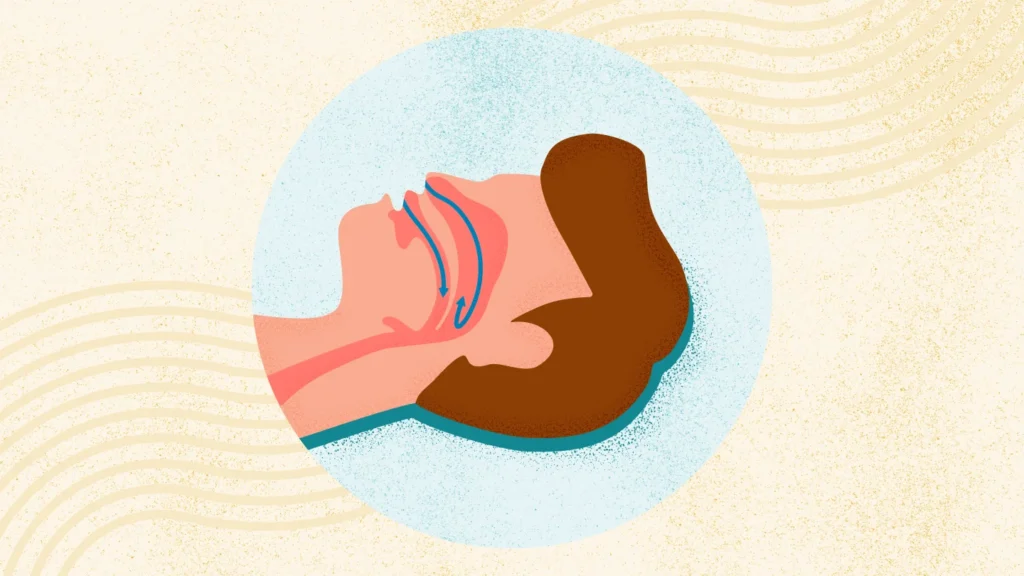
Reality: Snoring can chip away at sleep quality for you and the person trying to love you from the next pillow. It’s also one of those issues that gets louder during stressful seasons—think travel fatigue, late-night scrolling, and workplace burnout.
Right now, sleep culture is split. On one side: apps, rings, trackers, and the whole “sleepmaxxing” vibe. On the other: people who just want a quiet night without turning bedtime into a data project. If snoring is your main problem, an anti snoring mouthpiece is one of the more practical tools to consider.
What people are talking about lately (and why it matters)
Sleep advice is everywhere, and not all of it helps. You’ll see headlines about tracking everything, adult sleep coaching that filters the internet’s noise, and social trends like mouth taping that can raise safety questions. You’ll also see straightforward medical explainers on conditions like sleep apnea—because sometimes “snoring” is more than a nuisance.
If you like the numbers, it can help to keep perspective. Even discussions around tracking often point back to a simple goal: wake up feeling rested, not obsessed. If you want a quick reference point, you can look up Local sleep specialist shares tips to wake up feeling rested and use it as context—not a scoreboard.
A no-drama decision guide: If…then…
Use these branches to decide what to try next. This is not a diagnosis tool. It’s a practical sorting hat for snoring.
If your snoring is occasional, then start with the “easy wins”
If you only snore after a late meal, a couple of drinks, allergy flare-ups, or a brutal travel day, treat it like a short-term flare.
- Try side-sleeping support (a body pillow can be enough).
- Keep your bedroom cool and dark, and aim for a consistent wind-down.
- Address nasal stuffiness in a safe way that works for you.
These basics match what many sleep specialists emphasize: you don’t need a gadget for everything. You need repeatable habits.
If snoring is frequent and relationship-level loud, then consider a mouthpiece
If your partner is joking about “sleep divorce,” you’re not alone. Snoring is one of the fastest ways to turn bedtime into negotiations. A mouthpiece can be a reasonable next step when the problem is persistent and you want something more targeted than general sleep hygiene.
Many anti-snoring mouthpieces work by gently positioning the lower jaw forward (mandibular advancement) or stabilizing the tongue. The goal is simple: keep the airway more open so tissues vibrate less.
If you’re comparing options, start here: anti snoring mouthpiece.
If you wake up tired despite “enough hours,” then zoom out to sleep quality
Snoring isn’t just a sound. It can come with micro-arousals—tiny interruptions you may not remember. That’s why you can log 8 hours and still feel like you pulled an all-nighter.
When burnout is in the mix, it’s easy to blame stress alone. Stress matters, but breathing and sleep continuity matter too. If you’re always dragging, treat it as a real signal, not a personality flaw.
If you notice choking, gasping, or breathing pauses, then get checked
Some snoring is benign. Some snoring can be a sign of sleep-disordered breathing, including sleep apnea. If someone has witnessed pauses in breathing, or you wake up choking, or you have strong daytime sleepiness, a clinician should be involved.
A mouthpiece may still be part of a plan for certain people, but you want the right plan. Don’t self-manage red-flag symptoms.
If you’re tempted by viral hacks (like mouth taping), then pause first
Trends move fast, especially on TikTok. Mouth taping gets talked about as a “simple” fix, but breathing safety is not the place to gamble. If you have nasal congestion, allergies, or any breathing concern, taping can backfire. When in doubt, skip it and ask a professional.
If you travel a lot, then test changes before your next trip
Hotels, dry air, different pillows, and odd meal times can amplify snoring. A mouthpiece can be travel-friendly for some people, but only if you’ve already adapted to it at home. Otherwise, you risk adding jaw discomfort to jet lag.
How to think about fit, comfort, and expectations
A mouthpiece should feel secure, not painful. Early side effects can include drooling, mild jaw soreness, or tooth pressure. Those issues often relate to fit and adjustment.
Also, set a realistic goal. Many people aim for “quieter and more stable sleep,” not perfection on night one. Track how you feel in the morning, not just how your app scores you.
Quick safety notes before you buy
- If you have jaw pain, TMJ issues, loose dental work, or significant dental concerns, get dental guidance first.
- If you suspect sleep apnea, prioritize a medical evaluation.
- If a product promises instant, guaranteed results for everyone, be skeptical.
FAQs (fast answers)
What causes snoring most nights?
Snoring often happens when airflow gets partially blocked and soft tissues vibrate. Nasal congestion, sleep position, alcohol, and anatomy can all play a role.
Can an anti snoring mouthpiece improve sleep quality?
For some people, yes. By changing jaw or tongue position, it may reduce vibration and interruptions that fragment sleep.
Is mouth taping a safe alternative to stop snoring?
It’s a social trend, but it can be risky for people with nasal blockage or breathing issues. If you’re unsure, skip it and talk with a clinician.
How do I know if my snoring could be sleep apnea?
Loud snoring plus choking/gasping, witnessed breathing pauses, or strong daytime sleepiness can be warning signs. A medical evaluation is the safest next step.
How long does it take to get used to a mouthpiece?
Many people need a short adjustment period. Mild soreness or drooling can happen early on, and proper fit matters.
Should I use a mouthpiece when traveling?
Travel fatigue and unfamiliar pillows can worsen snoring. A mouthpiece may help some travelers, but test it at home first so you’re not troubleshooting at 2 a.m.
CTA: pick a next step you can actually stick to
If snoring is the loudest problem in your sleep routine, a mouthpiece can be a straightforward move—especially when you’re tired of chasing every new sleep trend.
How do anti-snoring mouthpieces work?
Medical disclaimer: This article is for general education and does not provide medical advice, diagnosis, or treatment. If you have symptoms such as choking/gasping during sleep, witnessed breathing pauses, chest pain, severe daytime sleepiness, or concerns about sleep apnea, seek evaluation from a qualified clinician.