
Myth: Snoring is just an annoying sound.
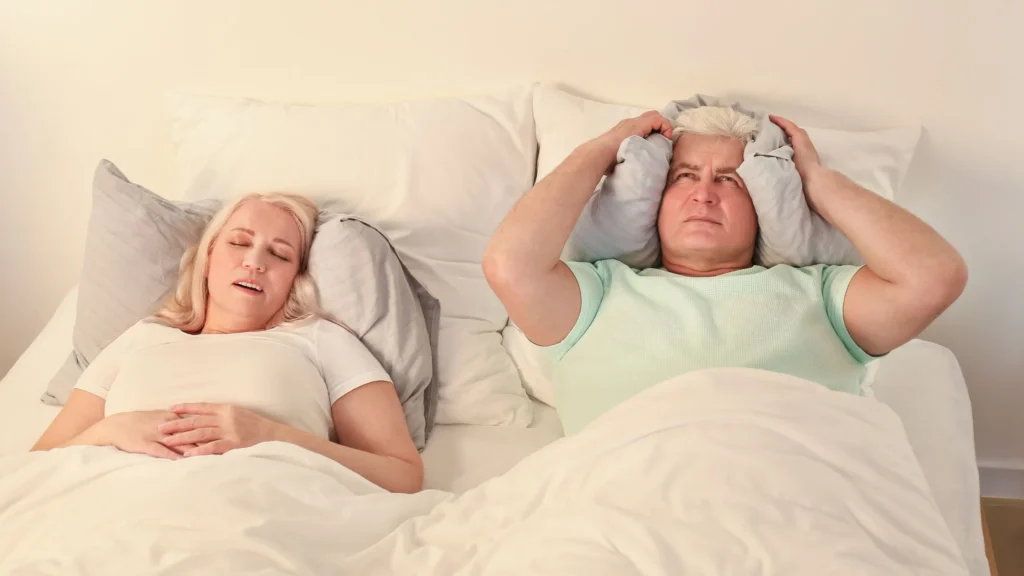
Reality: Snoring often means your airflow is getting pinched at night. That can chip away at sleep quality for you and anyone within earshot.
Right now, sleep is having a moment. People are trying trackers, “smart” alarms, and new bedtime routines. You also see plenty of debate about quick hacks. The goal is the same: wake up less wrecked, even when travel fatigue, late-night scrolling, or workplace burnout keep pushing bedtime later.
First, a 30-second reality check on snoring
Snoring usually happens when soft tissue in the throat vibrates as you breathe. Alcohol, congestion, sleep position, and jaw/tongue placement can make it worse.
Sometimes, snoring is also a clue that breathing is repeatedly disrupted. If you suspect that, don’t guess. Start with credible info on 9 Ways to Take Care of Your Mental Health in 2026 and consider a medical evaluation if red flags show up.
The decision guide: If…then… your next move
Use these branches to decide what to try first. Keep it simple. Change one variable at a time so you can tell what’s working.
If your snoring is position-based, then start with positioning
If you mostly snore on your back, side-sleeping can be a fast win. Try a firmer pillow setup or a gentle “anti-back-sleep” strategy.
Also check neck angle. A head position that’s too flexed can narrow the airway.
If you wake with a dry mouth, then look at airflow and mouth-breathing triggers
Dry mouth often travels with mouth breathing. Nasal congestion, allergies, or a bedroom that’s too dry can contribute.
You’ll see mouth taping discussed in sleep circles. It’s not a universal fix. If you can’t breathe comfortably through your nose, don’t force it.
If the problem is “relationship-level loud,” then consider an anti snoring mouthpiece
If your partner is nudging you at 2 a.m., you’re not alone. Snoring has become a running joke in a lot of couples’ chats, but the sleep loss is real.
An anti snoring mouthpiece is designed to improve airflow by changing oral positioning. The two common styles are:
- Mandibular advancement (MAD): encourages the lower jaw forward to help keep the airway more open.
- Tongue-stabilizing (TSD): helps keep the tongue from falling back.
Choosing comes down to comfort, fit, and how your snoring behaves night to night.
If you like gadgets and data, then keep the tech—but don’t let it drive the bus
Sleep gadgets can be motivating. They can also create “score anxiety” that makes falling asleep harder.
Use tracking for patterns, not perfection. If a mouthpiece reduces snoring and you feel more restored, that matters more than a single metric.
If you’re exhausted in the daytime, then treat it as a bigger sleep-quality issue
Frequent morning headaches, choking/gasping, or heavy daytime sleepiness deserve attention. Travel fatigue and burnout can mimic these symptoms, but they can also stack on top of an underlying breathing issue.
If you’re unsure, talk with a clinician. Don’t self-diagnose from a snore recording.
How to size up a mouthpiece: ICI basics
Before you buy, run through ICI. It keeps the decision practical.
I = Indication (what you’re trying to solve)
Are you targeting simple snoring, position-related snoring, or suspected breathing interruptions? Mouthpieces are commonly used for snoring and may help some people, but persistent red flags call for medical guidance.
C = Comfort (what you’ll actually wear)
Comfort beats “perfect specs.” If it hurts your jaw, rubs your gums, or makes you rip it out at 3 a.m., it won’t help.
Plan for an adjustment phase. Start with shorter wear time if needed, and follow product directions.
I = Integrity (fit, positioning, and cleanup)
- Fit: A stable fit reduces slipping and improves consistency.
- Positioning: Small changes can matter. Over-advancing the jaw can create soreness.
- Cleanup: Rinse after use, clean gently, and let it dry. A gross mouthpiece is a fast way to quit.
Where mouthpieces fit among “fresh start” sleep habits
New-year sleep advice often circles the same themes: consistent wake times, better wind-down routines, and fewer late-night mental spirals. Those are strong foundations.
A mouthpiece is a tool, not a lifestyle. It can pair well with habit changes, especially if snoring is the loudest barrier between you and deeper sleep.
Quick buying filter: who tends to like which style?
If you want a more “set it and forget it” feel, then look at MAD-style designs
Many snorers prefer the feel of a jaw-advancing style once dialed in. Comfort depends on your bite and jaw tolerance.
If you dislike jaw pressure, then consider tongue-focused options
Some people prefer less jaw involvement. Tongue-based designs can feel unusual at first, so tolerance varies.
FAQ (fast answers)
Is snoring worse after drinking?
Often, yes. Alcohol can relax airway muscles and increase vibration.
Do nasal strips replace a mouthpiece?
They can help if nasal blockage is the main issue. If the vibration is deeper in the throat, they may not be enough.
What if I clench or grind?
Be cautious. Some designs may feel uncomfortable. If you have jaw pain or TMJ history, ask a dentist or clinician for guidance.
CTA: Compare options without guesswork
If you’ve tried positioning and basic sleep hygiene and the snoring is still winning, it’s reasonable to explore a mouthpiece next.
Start here: anti snoring mouthpiece.
How do anti-snoring mouthpieces work?
Medical disclaimer: This article is for general education only and is not medical advice. Snoring can have multiple causes, including conditions that require diagnosis and treatment. If you have choking/gasping at night, significant daytime sleepiness, chest pain, or persistent symptoms, seek evaluation from a qualified clinician.