
Myth: Snoring is just an annoying sound, so any “viral” sleep gadget will fix it.
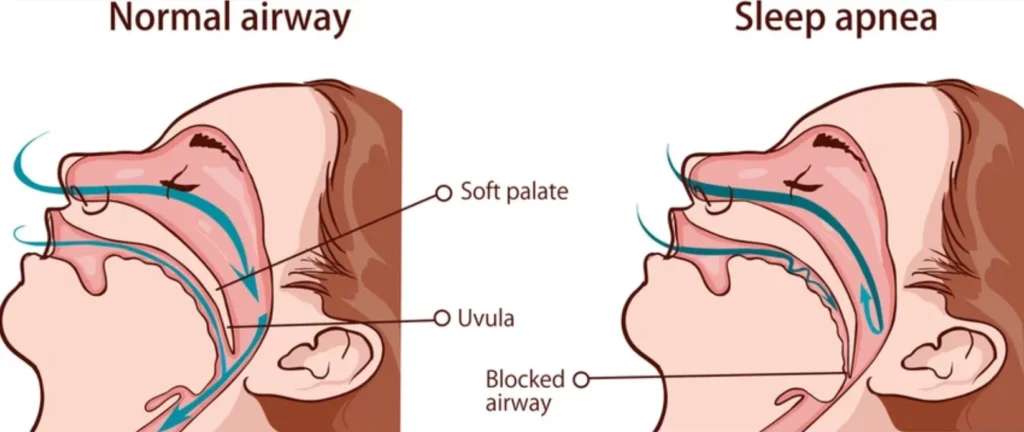
Reality: Snoring is often a sleep-quality problem first, and a relationship problem second. The right tool depends on why you snore, not what’s trending on your feed.
Right now, snoring fixes are having a moment. You’ll see lists of anti-snore pillows, debates about mouth tape, and consumer-style breakdowns of mandibular advancement devices (MADs). You’ll also hear the same story in different settings: travel fatigue makes snoring louder, workplace burnout makes sleep lighter, and couples start negotiating bedtime like it’s a peace treaty.
Snoring is trending because sleep is under pressure
People are chasing better sleep the way they chase better coffee: faster, smarter, and with gear. That’s not all bad. It does mean marketing gets loud.
Recent consumer-report style coverage has pushed buyers to verify claims and understand what a mandibular advancement device is actually doing. If you want the source-style context, see this SleepZee Anti-Snoring Mouthpiece Consumer Report: 2026 Analysis of Mandibular Advancement Device Research, Snoring Reduction Claims, and What Buyers Should Verify.
The quick “if…then…” decision guide (start here)
Use these branches to narrow down what’s worth your time. You’re aiming for fewer wake-ups, less partner disturbance, and better next-day energy.
If your snoring is worst on your back, then start with position fixes
Back-sleeping can let the jaw and tongue drift in a way that narrows airflow. That’s why anti-snore pillows and side-sleep strategies keep showing up in roundups.
If you try a pillow, give it a fair test. Track whether you wake up less and whether your partner notices a change. If the snoring follows you to side-sleeping, move to the next branch.
If your partner says the sound is “constant,” then consider an anti snoring mouthpiece
An anti snoring mouthpiece is often a mandibular advancement device (MAD). The basic idea is simple: it positions the lower jaw slightly forward to help keep the airway more open during sleep.
This is why mouthpieces are getting so much attention in consumer-style reviews. They’re not just “comfort accessories.” They’re a mechanical approach that can be more direct than changing pillows.
Want to compare options? Start with a product category overview like anti snoring mouthpiece.
If you wake up with jaw soreness, then prioritize adjustability and fit
Fit is the make-or-break factor. A mouthpiece that’s too aggressive can irritate the jaw or feel impossible to tolerate.
Look for clear instructions, comfort features, and a return policy. If you already have TMJ symptoms, dental work concerns, or gum issues, it’s smart to ask a clinician before using any device that changes jaw position.
If you’re tempted by mouth tape, then treat it like a “caution” trend
Mouth tape is popular in sleep circles because people want nasal breathing. It also raises safety questions, especially if you get congested, travel frequently, or have allergies.
If you’re unsure, don’t guess. A clinician can help you think through whether it’s appropriate for you.
If travel fatigue or burnout is making snoring worse, then fix the basics alongside any device
When you’re overtired, you may sleep differently and recover poorly. That can make snoring feel louder and your sleep feel thinner.
Pair any anti-snoring tool with boring fundamentals: consistent sleep timing when possible, less alcohol close to bedtime, and a wind-down that doesn’t end in doomscrolling. The gadget helps more when the foundation isn’t collapsing.
What buyers should verify before trusting snoring claims
Snoring products are marketed like quick wins. Before you buy, verify the parts that matter:
- What type of device is it? MAD-style jaw advancement vs. tongue-retaining vs. “one-size” guards.
- Fit and comfort plan: sizing guidance, adjustability, and a realistic break-in period.
- Materials and care: what it’s made of, how to clean it, and how often to replace it.
- Return policy: snoring solutions are personal. You want an exit ramp.
- Red-flag symptoms: choking/gasping, breathing pauses, severe daytime sleepiness. Those deserve medical evaluation.
Relationship-proofing: make it a shared experiment
Snoring jokes land because they’re relatable. They also hide real frustration.
Try a two-week “sleep quality experiment” instead of a nightly argument. Agree on what success means (fewer wake-ups, quieter nights, better mornings). Then test one change at a time so you can tell what actually helped.
FAQ (quick answers)
Do anti-snoring mouthpieces stop snoring for everyone?
No. They can be very helpful for some people, but results depend on the cause of snoring and how well the device fits.
Is a mandibular advancement device the same as an anti-snoring mouthpiece?
Many are. MADs are a common mouthpiece style that gently moves the lower jaw forward.
What should buyers verify before purchasing a mouthpiece?
Fit guidance, materials, cleaning instructions, return policy, and realistic claims. Ask a clinician if you have jaw or dental concerns.
Are anti-snoring pillows worth trying first?
Yes if your snoring is mostly positional. If it happens in any position, a mouthpiece may be a better next step.
Is mouth tape safe for snoring?
It can be risky for some people, especially with congestion or breathing issues. Get medical guidance if you’re unsure.
CTA: pick the next step that matches your snoring pattern
If your snoring is consistent and you want a more direct approach than pillows, an anti-snoring mouthpiece may be the most practical next test.
How do anti-snoring mouthpieces work?
Medical disclaimer: This article is for general education and does not replace medical advice. Snoring can sometimes signal a sleep-related breathing disorder. If you have breathing pauses, choking/gasping, chest pain, severe daytime sleepiness, or persistent symptoms, seek evaluation from a qualified clinician.