
Myth: Snoring is just a harmless punchline.
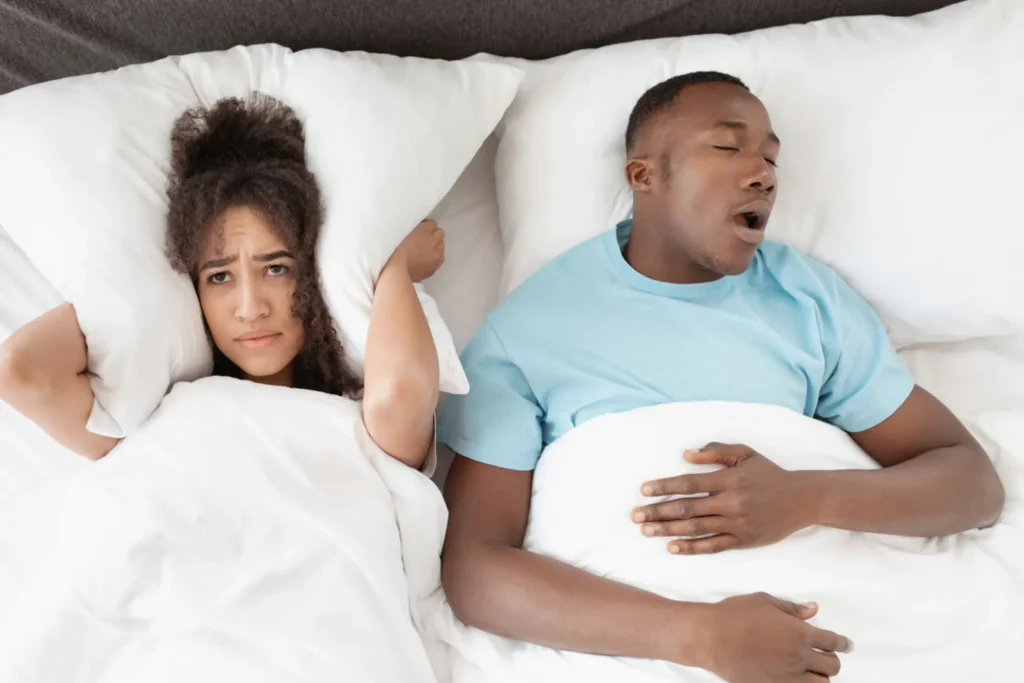
Reality: Snoring can quietly drain sleep quality, strain patience, and turn “good night” into a nightly negotiation. If you’ve seen the recent wave of sleep tips, five-minute “fall asleep fast” hacks, and new sleep gadgets everywhere, you’re not imagining it. People are tired, busy, and trying to fix sleep without making bedtime a bigger project.
This guide keeps it simple. We’ll connect the trends people are talking about—sleep hygiene resets, overthinking at night, travel fatigue, and burnout—with where an anti snoring mouthpiece can fit.
Why does snoring feel worse lately (even if it’s not new)?
Snoring hits harder when life is already loud. Workplace burnout makes mornings brutal. Travel throws off routines and sleep timing. Even “fun” things—late dinners, a couple drinks, or doomscrolling—can nudge snoring in the wrong direction.
There’s also the relationship factor. One person can’t sleep, the other feels blamed, and nobody wants a 1 a.m. argument. That pressure alone can make bedtime tense, which doesn’t help anyone fall asleep faster.
How do I know if this is simple snoring or something more serious?
Not all snoring is the same. Some people snore mainly on their back. Others snore when congested or when their mouth falls open. But some patterns deserve more caution.
Signals to take seriously
- Pauses in breathing, choking, or gasping during sleep
- Major daytime sleepiness, morning headaches, or trouble focusing
- High blood pressure or a partner noticing “quiet-then-loud” cycles
Those can be associated with sleep apnea, which is widely discussed in mainstream medical resources. If any of this sounds familiar, it’s worth speaking with a clinician.
What actually improves sleep quality when snoring is in the mix?
Right now, sleep advice tends to land in a few buckets: building sleep drive, respecting circadian rhythm, tightening sleep hygiene, calming overthinking, and changing what you do right before bed. That framework is popular because it’s practical.
If you want a credible starting point, see these Here are five behavioral and psychological tips for a fresh start toward better sleep in the new year, spanning five categories — sleep drive, circadian rhythm, sleep hygiene, overthinking and pre-bed activity. https://wapo.st/3MQgP1D. Use them as the “foundation,” then target snoring with the right tool.
Where does an anti snoring mouthpiece fit compared with other trends?
Sleep gadgets are having a moment. Some are helpful. Some are just expensive ways to measure how tired you are. A mouthpiece is different because it aims to change airflow and reduce the vibration that creates snoring.
When a mouthpiece is a reasonable next step
- Your partner reports loud snoring, especially when you sleep on your back
- You wake up with a dry mouth (often a clue you’re sleeping mouth-open)
- You’ve already tried basic steps like side sleeping and reducing late-night alcohol
When to pause and get medical input first
- You suspect sleep apnea symptoms (breathing pauses, gasping, severe sleepiness)
- You have significant jaw pain, dental issues, or chronic nasal obstruction
Also, be careful with social-media trends like mouth taping. It gets talked about as a quick fix, but it’s not a universal solution and may be unsafe for some people.
What should couples say about snoring without turning it into a fight?
Snoring feels personal, even when it isn’t. The fastest way to lower the temperature is to treat it like a shared problem with a shared goal: both people sleep.
A simple script that works
- Start with impact: “I’m not getting deep sleep and it’s catching up with me.”
- Name the goal: “I want us both rested.”
- Offer a trial: “Can we try one change for two weeks and reassess?”
This approach helps because it avoids blame. It also keeps the conversation out of the middle of the night.
If I try a mouthpiece, what should I look for?
Look for comfort, stability, and a plan you can stick with. The “best” option is the one you’ll actually use consistently.
- Fit: Too bulky can trigger gagging; too loose won’t help.
- Breathing: If your mouth falls open, a combo approach may be useful.
- Consistency: Give it a fair trial across normal nights and stressful nights.
If you want a straightforward option to consider, see this anti snoring mouthpiece.
Common questions people ask before buying (and what to do tonight)
Snoring solutions work best when you stack small wins. Tonight, aim for one behavior change plus one snoring-focused change.
- Pick a consistent wind-down and stop “problem solving” in bed.
- Try side sleeping or a pillow setup that discourages back sleeping.
- Keep the bedroom cool and dark, and reduce late-night alcohol.
FAQs
Can an anti snoring mouthpiece stop snoring completely?
Sometimes, but not always. Many people see a reduction in volume and frequency, especially with positional or mouth-open snoring.
Is loud snoring always a sign of sleep apnea?
No. But loud, frequent snoring plus choking/gasping, pauses in breathing, or heavy daytime sleepiness should be checked by a clinician.
What’s the difference between a mouthpiece and a chin strap?
A mouthpiece aims to improve airflow by positioning the jaw/tongue area, while a chin strap encourages the mouth to stay closed. Some people use a combo.
What if my partner says I snore more when I’m stressed or traveling?
That’s common. Sleep debt, alcohol, congestion, and sleeping on your back can all worsen snoring, especially during travel fatigue or burnout weeks.
Is mouth taping a good idea for snoring?
It’s a trend, but it isn’t right for everyone and can be unsafe for some people. If you have nasal blockage or possible sleep apnea, talk with a clinician first.
Ready to learn the basics before you choose?
How do anti-snoring mouthpieces work?
Medical disclaimer: This article is for general education only and is not medical advice. Snoring can have many causes, including conditions that require diagnosis and treatment. If you have symptoms of sleep apnea or persistent sleep problems, seek guidance from a qualified clinician.