
Myth: Snoring is just a funny bedtime soundtrack.
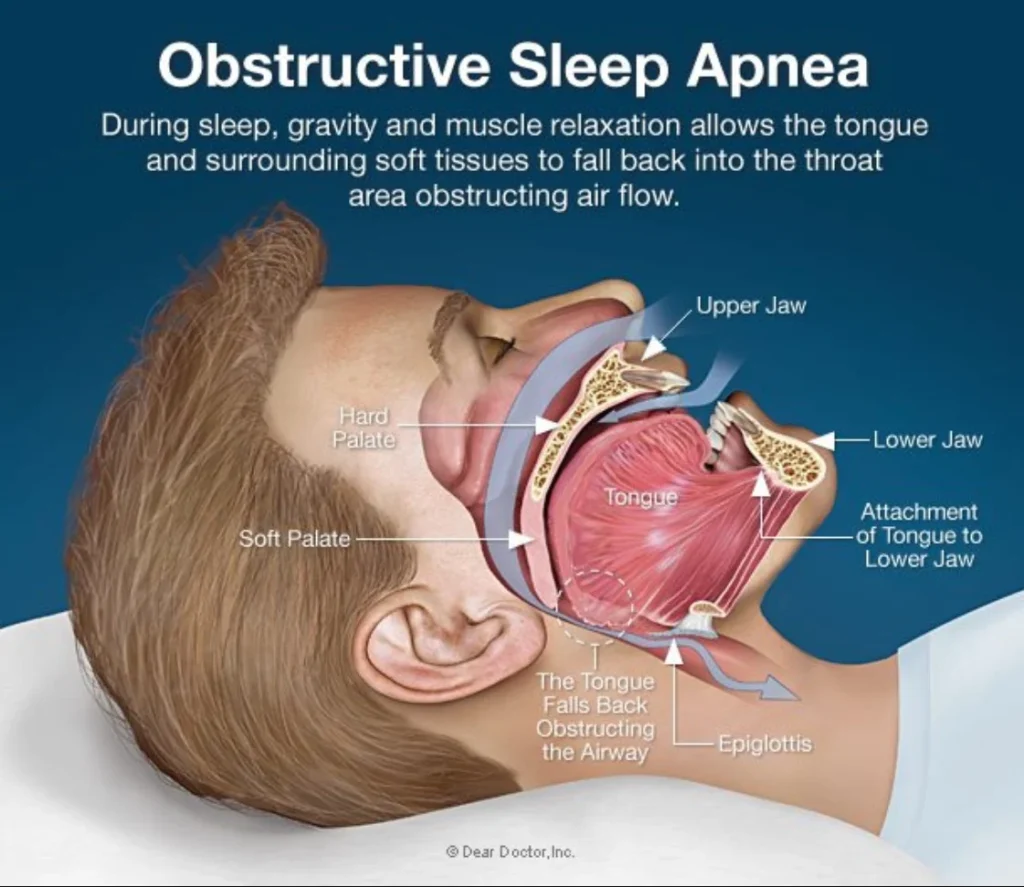
Reality: Snoring can wreck sleep quality for both people in the bed. It can also be a clue that your breathing is struggling at night.
Right now, sleep is having a moment. People swap gadget tips, compare “sleep scores,” and joke about relationship negotiations over who gets the quiet side of the pillow. Add travel fatigue and workplace burnout, and it’s easy to see why snoring solutions are trending again.
Overview: where an anti snoring mouthpiece fits today
An anti snoring mouthpiece is designed to improve airflow while you sleep. Many styles do this by gently repositioning the jaw or supporting the mouth to reduce noisy vibration.
Snoring has multiple drivers. Nasal congestion, alcohol, sleep position, and anatomy can all play a role. That’s why the best plan is usually a simple, test-and-adjust approach.
Also worth saying: snoring isn’t the same as sleep apnea. If you’re wondering about warning signs, read up on Still Snoring With a CPAP Machine?. If apnea is a possibility, a clinician should guide your next steps.
Timing: when to trial a mouthpiece (and when not to)
Timing matters because you want clean feedback. If you change five things at once, you won’t know what helped.
Best times to start
- After a stable week: not during a red-eye trip, a new workout plan, or a stressful deadline week.
- When you can track sleep: even a simple note like “snoring: yes/no” and “morning energy: low/ok/good” helps.
- When your nose is reasonably clear: congestion can overwhelm any mouthpiece benefit.
Pause and get checked if you have red flags
- Choking or gasping during sleep
- Severe daytime sleepiness or morning headaches
- High blood pressure or heart concerns
- Snoring that persists even with CPAP settings you believe are correct
Those situations deserve medical input. A mouthpiece may still be part of the conversation, but it shouldn’t be the only move.
Supplies: what you’ll want on night one
- Your mouthpiece (and any case it came with)
- A toothbrush and mild soap for cleaning
- A glass of water for comfort and dryness
- Optional: saline spray if you often feel stuffy at night
- A quick tracking method: notes app, paper, or a sleep app
If you want a combined approach for mouth breathing and jaw support, you can look at an anti snoring mouthpiece.
Step-by-step (ICI): Identify → Customize → Iterate
This is the simplest way to make progress without overthinking it.
1) Identify your likely snoring pattern
- Back sleeper? Snoring often gets louder on your back.
- Mouth breather? Dry mouth in the morning is a common clue.
- Congested? Seasonal allergies and dry air can worsen airflow.
- Alcohol or heavy meals late? Both can relax airway tissues.
Keep it simple. Pick one main hypothesis for the first week.
2) Customize the fit for comfort
Follow the specific instructions for your device. Comfort is not optional. If it hurts, you won’t wear it, and it won’t help.
- Start with the most neutral setting.
- Expect a short adjustment period for saliva and mild jaw awareness.
- Stop if you get sharp pain, tooth pain, or worsening jaw clicking.
3) Iterate using real feedback
Use a 7–10 night window. Adjust only one variable at a time.
- If snoring drops but comfort is poor, focus on fit before chasing more “advance.”
- If comfort is fine but snoring is unchanged, consider whether congestion or sleep position is the bigger driver.
- If your partner reports less noise but you still feel exhausted, treat that as a signal to evaluate sleep quality more broadly.
Mistakes that waste money (and sleep)
Buying based on hype instead of fit
Sleep products trend fast. A glowing review doesn’t guarantee it matches your jaw, teeth, or tolerance for bulk.
Ignoring nasal breathing
If your nose is blocked, you may still struggle even with a well-fit mouthpiece. Some recent health coverage has discussed saline approaches for breathing comfort in certain situations. Keep expectations realistic, and talk to a pediatric clinician for any child snoring concerns.
Trying to “power through” jaw pain
Soreness that fades can be normal early on. Pain that escalates is not. Stop and reassess the device and your bite.
Missing the bigger picture
Burnout and travel fatigue can mimic “bad sleep” even when snoring improves. Caffeine timing, late-night screens, and inconsistent schedules matter more than people want to admit.
FAQ: quick answers people are searching right now
Can I use a mouthpiece if I suspect sleep apnea?
Don’t self-diagnose. Get evaluated, especially if you have gasping, pauses in breathing, or heavy daytime sleepiness.
Why do some people still snore even with CPAP?
Fit, leaks, mouth breathing, congestion, and pressure settings can all play a role. A sleep clinician can help troubleshoot.
Do mouthpieces work for everyone?
No. They tend to help certain snoring patterns more than others. A short trial with tracking is the best way to learn.
CTA: make your next step simple
If snoring is starting to feel like a nightly negotiation, don’t wait for the “perfect” solution. Start with a clear, trackable trial and prioritize comfort.
How do anti-snoring mouthpieces work?
Medical disclaimer: This article is for general education only and isn’t medical advice. Snoring can be a sign of a sleep-related breathing disorder. If you have choking/gasping, witnessed breathing pauses, significant daytime sleepiness, chest pain, or concerns about a child’s breathing during sleep, seek medical evaluation.