
Myth: Snoring is just an annoying soundtrack.
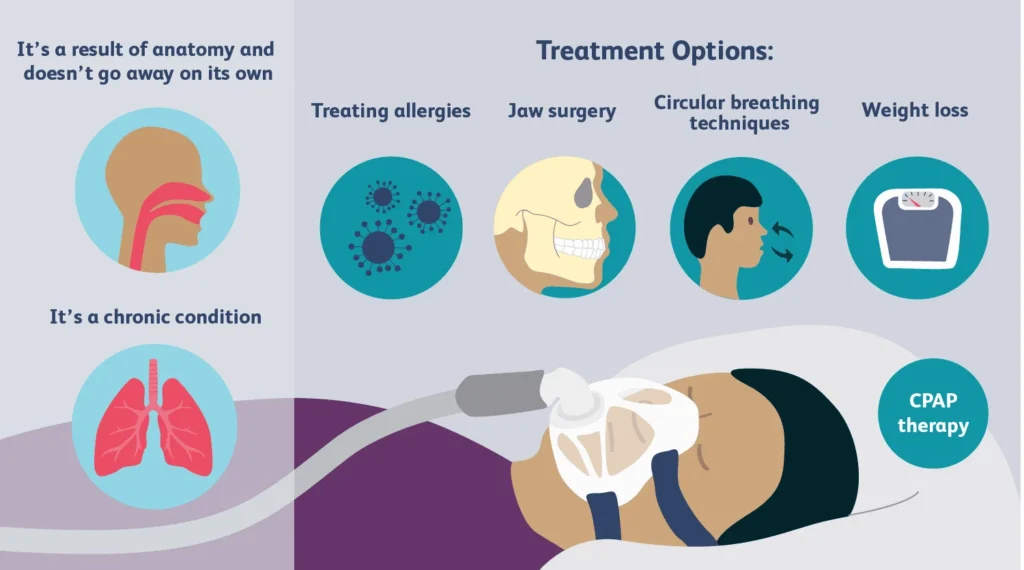
Reality: Snoring can be a sleep-quality problem, a relationship problem, and sometimes a health signal you shouldn’t ignore.
Right now, sleep is having a cultural moment. People are buying sleep trackers, testing “smart” alarm clocks, and swapping travel fatigue hacks in group chats. At the same time, burnout is real, and many couples are negotiating bedtime like it’s a shared calendar invite. In that mix, the anti snoring mouthpiece keeps coming up because it’s simple, portable, and doesn’t require a new app.
Is snoring actually hurting your sleep quality?
Snoring can fragment sleep in two ways. First, it can wake your partner (and then you both sleep worse). Second, it can reflect airflow resistance that nudges you into lighter sleep, even if you don’t fully wake up.
If your mornings feel like you never “charged,” pay attention to patterns. People often notice it most after travel, alcohol, congestion, or stress-heavy weeks. Those are the same weeks when patience is low and bedroom humor turns into bedroom tension.
Why is everyone suddenly talking about airway health and dentistry?
Sleep health conversations are getting more mainstream, and dentistry is part of that story. Some dental practices are expanding into airway-focused discussions because the mouth, jaw position, and breathing are connected.
If you’ve seen coverage about practices building out sleep and breathing services, that’s the broader trend: more people want practical pathways to better rest. For a general reference point on this trend, see Creative Smiles Dentistry Advances Airway Dentistry to Address Sleep and Breathing Health in Tucson.
What does an anti snoring mouthpiece do, in plain language?
Most anti-snoring mouthpieces aim to keep your airway more open during sleep. Many do this by guiding the lower jaw slightly forward, which can reduce soft-tissue collapse and vibration.
Think of it like changing the “geometry” of your nighttime breathing. It doesn’t sedate you. It doesn’t add white noise. It simply tries to improve airflow so snoring is less likely to start.
Which “type” of snorer is a mouthpiece best for?
People usually explore a mouthpiece when snoring seems linked to sleep position, jaw relaxation, or mild-to-moderate vibration that’s worse on the back. It also appeals to frequent travelers because it’s easier than packing a whole nightstand of gadgets.
That said, loud snoring paired with gasping, choking, or major daytime sleepiness needs a different conversation. Snoring can be associated with sleep apnea, which is more than a nuisance and deserves medical attention.
How do you choose a mouthpiece without wasting money?
Start with comfort and consistency
The “best” device is the one you can tolerate for a full night. If it’s bulky, painful, or makes you dread bedtime, it won’t help your sleep quality.
Look for adjustability
Many people do better when they can fine-tune jaw position gradually. Too aggressive too fast can lead to soreness and quick abandonment.
Be honest about your teeth and jaw
Loose dental work, significant bite issues, or jaw pain can change what’s appropriate. If you already wake with jaw tightness, take that seriously.
If you want to compare practical options, start here: anti snoring mouthpiece.
Can a mouthpiece improve relationship sleep without turning bedtime into a fight?
Yes, but the communication matters as much as the device. Snoring discussions often land as criticism, even when no one means it that way.
Try a neutral framing: “I miss sleeping through the night” instead of “You keep me awake.” Then agree on a two-week experiment with one change at a time. That keeps the conversation out of the blame zone and inside the teamwork zone.
What red flags mean you should skip DIY and get evaluated?
Don’t self-manage if you notice breathing pauses, choking/gasping, morning headaches, high blood pressure, or severe daytime sleepiness. Those symptoms can point to sleep apnea or other sleep-breathing disorders.
Also get help if a mouthpiece causes persistent jaw pain, tooth pain, or bite changes. Comfort problems are common early on, but ongoing pain is a sign to reassess.
Common questions people ask before they buy
- Will it feel weird? At first, yes. Most people need a short adjustment period.
- Will it fix dry mouth? Not necessarily. Dry air, mouth breathing, and congestion can still drive dryness.
- Is snoring always a health problem? Not always, but it can be. Pay attention to symptoms beyond sound.
FAQ
Do anti-snoring mouthpieces work for everyone?
No. They can help some people, especially with positional snoring, but they won’t fix every cause of snoring.
What’s the difference between snoring and sleep apnea?
Snoring is a sound from airway vibration. Sleep apnea involves repeated breathing interruptions and needs medical evaluation.
Can I use a mouthpiece if I have TMJ or jaw pain?
Be cautious. Some devices can aggravate jaw symptoms, so discuss persistent pain with a dentist or clinician.
How long does it take to get used to a mouthpiece?
Many people adjust over several nights to a couple of weeks, depending on fit, jaw sensitivity, and device style.
When should snoring be checked by a professional?
If you gasp, choke, stop breathing, feel very sleepy in the day, or have high blood pressure, get evaluated.
Ready to test a simpler sleep fix?
If snoring is turning sleep into a nightly negotiation, a mouthpiece can be a practical first step for many adults. Focus on comfort, adjust slowly, and track whether you feel more rested (not just quieter).
How do anti-snoring mouthpieces work?
Medical disclaimer: This article is for general education and is not medical advice. Snoring can have many causes, including sleep apnea. If you have breathing pauses, severe daytime sleepiness, chest pain, or persistent jaw/tooth pain, seek evaluation from a qualified clinician or dental professional.