
Myth: Snoring is just an annoying sound.
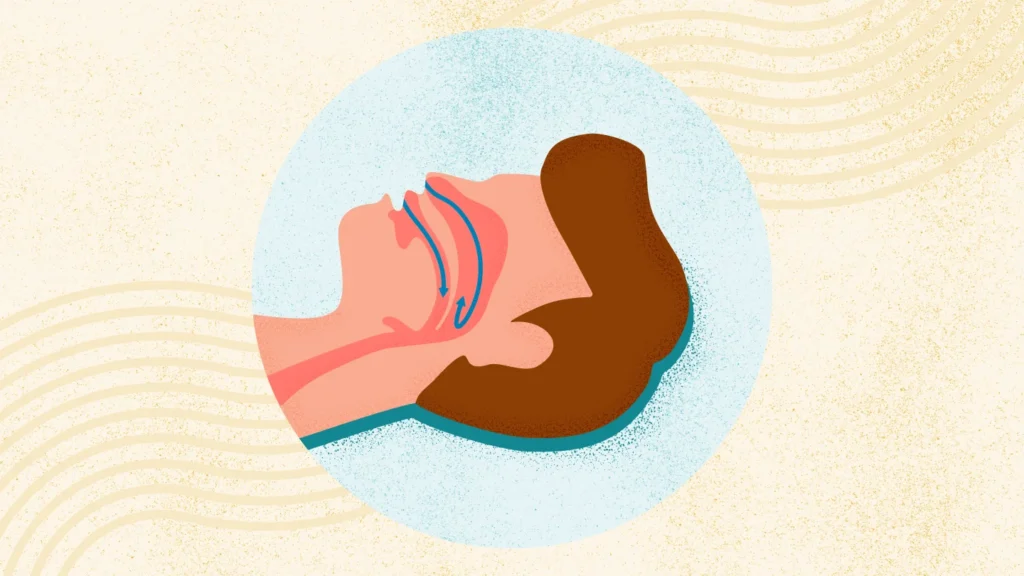
Reality: Snoring often signals disrupted airflow, fragmented sleep, and the kind of “why am I exhausted?” mornings people keep joking about at work. It can also strain relationships fast. If you’re trading sleep for silence, it’s time for a clearer plan.
Overview: what’s trending, and what actually matters
Sleep has become a full-on gadget category. People are buying rings, smart alarms, white-noise machines, and trying viral routines like the “10-3-2-1-0” style sleep hack. Those tools can help, but they don’t always address the noise source: airway positioning.
Recent health coverage has also kept obstructive sleep apnea (OSA) in the conversation, including why treatment matters beyond snoring. If your snoring comes with choking, gasping, or big daytime sleepiness, don’t treat it like a meme. Treat it like a health signal.
If you want a deeper look at the broader OSA discussion in the news, see this: Preventing Alzheimer’s disease and dementia by treating obstructive sleep apnea.
Timing: when to try a mouthpiece (and when to pause)
Good timing for an at-home trial
Consider an anti snoring mouthpiece if snoring is frequent, your partner reports it’s worse on your back, or you wake with dry mouth. It’s also a practical move if travel fatigue is making your sleep lighter and your snoring louder.
Many people start because of relationship friction. That’s valid. Better sleep quality is a household issue, not just a personal one.
Hit pause and talk to a clinician if you have red flags
Don’t self-manage if you’ve got choking/gasping at night, witnessed breathing pauses, severe daytime sleepiness, or high blood pressure concerns. Those can fit an OSA pattern. A clinician can guide screening and treatment options.
Supplies: what you need for a clean, comfortable setup
- Mouthpiece (choose a reputable option designed for snoring, not a random sports guard).
- Mirror + good lighting for fit checks.
- Soft toothbrush and mild soap or cleaner approved for oral appliances.
- Case with airflow so it dries between uses.
- Simple tracker: phone notes for snoring reports, wake-ups, and morning jaw comfort.
If you’re comparing models, start here: anti snoring mouthpiece.
Step-by-step: the ICI method (Install → Check → Improve)
1) Install: fit it for comfort first
Follow the product directions exactly. Your goal is a secure fit that doesn’t feel like a clamp. If it’s adjustable, start conservative. Too aggressive on night one is the fastest path to jaw soreness.
Plan your first night on a low-stakes schedule. Don’t debut it the night before a 6 a.m. flight or a big presentation.
2) Check: confirm position and sleep response
In the mirror, confirm it sits evenly and doesn’t pinch gums. After the first night, check three things: snoring volume (partner feedback or app), morning jaw comfort, and whether you woke up less.
Give it several nights before you judge it. Sleep is noisy data. One night can mislead you.
3) Improve: fine-tune like you would a workout plan
If your device allows advancement, move in small steps and wait a few nights between changes. Keep your routine steady while testing. If you change your pillow, alcohol intake, and mouthpiece setting all at once, you won’t know what helped.
Also do the boring basics. Side-sleeping, nasal comfort, and consistent bedtimes often make the mouthpiece work better.
Mistakes that ruin results (and how to avoid them)
Going too tight, too fast
A common error is chasing “maximum forward” because it sounds more effective. Comfort drives compliance. A mouthpiece in the drawer doesn’t reduce snoring.
Skipping cleanup
Oral appliances collect plaque and odors. Clean daily and let it dry. If it smells off, you’ll stop wearing it.
Ignoring jaw or tooth symptoms
Temporary drooling or mild pressure can happen early. Sharp pain, persistent jaw clicking, tooth pain, or bite changes are not “normal to push through.” Stop and get professional input.
Using it as a substitute for medical screening
A mouthpiece may reduce snoring, but it doesn’t rule out OSA. If you have classic symptoms, ask a clinician what evaluation makes sense.
FAQ: quick answers people are asking right now
Do sleep hacks and gadgets replace a mouthpiece?
Not usually. Gadgets can improve habits and timing. A mouthpiece targets airway positioning, which is a different lever.
Will it help with burnout sleep?
It can reduce noise and micro-wakeups if snoring is part of your problem. Burnout can also disrupt sleep quality on its own, so combine tools with a realistic wind-down routine.
What if my partner still hears snoring?
Re-check fit, try side-sleeping, and consider whether congestion or alcohol is driving the worst nights. If snoring stays loud, consider medical screening.
CTA: choose a simple next step
If snoring is costing you energy, patience, and morning focus, test one change that targets the source. An anti snoring mouthpiece is a practical place to start when the goal is quieter breathing and steadier sleep.
How do anti-snoring mouthpieces work?
Medical disclaimer: This article is for general education only and isn’t medical advice. Snoring can be a symptom of obstructive sleep apnea or other health conditions. If you have choking/gasping, breathing pauses, significant daytime sleepiness, chest pain, or persistent symptoms, talk with a qualified clinician or dentist for evaluation and personalized guidance.