
Myth: Snoring is just an annoying sound.
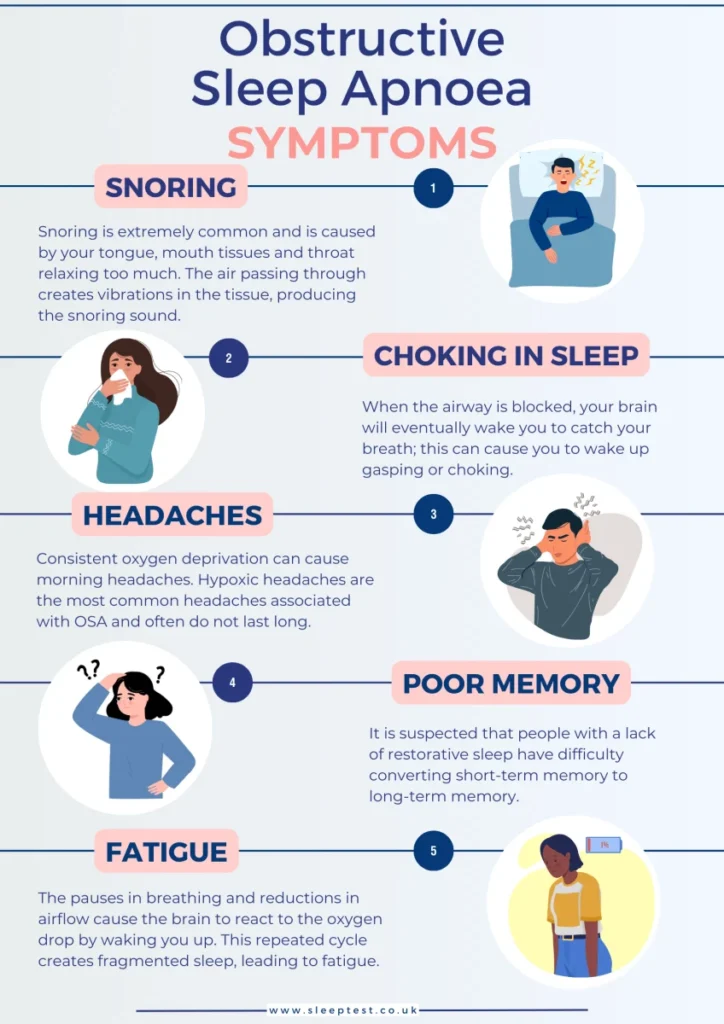
Reality: Snoring can be a loud clue that your sleep quality is getting crushed. That shows up as brain fog, short patience, and the kind of “why am I exhausted?” mornings that make workplace burnout feel even worse.
Right now, people are talking about sleep gadgets, quick fixes, and trends like mouth taping. Some of it is helpful. Some of it is hype. This guide keeps it practical, budget-minded, and focused on what you can do at home without wasting a week.
Start here: what snoring is doing to your sleep
Snoring isn’t only a relationship punchline. It can fragment sleep for you, your partner, or both. Even if you don’t fully wake up, micro-arousals can chip away at deep sleep.
Sleep also isn’t “shutdown time.” It’s an active recovery phase for your body and brain. When sleep gets disrupted, you often feel it in mood, appetite, focus, and workout recovery.
The no-fluff decision guide (If…then…)
Use these branches to pick a direction fast. If a branch sounds like you, follow the “then.” If you’re unsure, start with the lowest-risk steps.
If your partner says you snore mostly on your back…then try position first
Back sleeping can make the jaw and tongue fall backward. That narrows the airway and increases vibration.
Then: Test side-sleeping for 3 nights. Use a body pillow or a simple positioning trick. If snoring drops, you learned something for free.
If you wake with a dry mouth…then mouth breathing may be part of it
Dry mouth often points to sleeping with your mouth open. That can worsen snoring for some people.
Then: Consider options that support jaw position at night. Some people also look at nasal-breathing tools, but don’t force airflow restrictions if your nose isn’t clear.
If you’re seeing “mouth tape” everywhere…then slow down and think safety
Mouth taping is having a moment. It’s often framed as a simple path to nasal breathing. The safety question matters, though, especially if you get congestion, travel fatigue, or seasonal stuffiness.
Then: Read a balanced take before copying a trend. Here’s a helpful starting point: Sleep Shield Mouth Tape Review 2026: The Complete Guide to Better Sleep Through Nasal Breathing.
If your snoring is nightly and you want a home-first tool…then an anti snoring mouthpiece is worth a look
An anti snoring mouthpiece is a common at-home approach because it targets mechanics. Many designs aim to keep the lower jaw from sliding back, which can reduce airway narrowing and vibration.
Then: Look for a fit you can tolerate for hours. If it hurts, you won’t use it. If it falls out, it won’t help.
If you’re tempted to buy five gadgets…then pick one change per week
Sleep tech is fun. It’s also a fast way to waste money and end up with a nightstand full of returns.
Then: Run a simple experiment: one tool + one routine change for 7 nights. Track two things only: snoring reports and how you feel at 2 p.m.
If winter congestion hits you hard…then treat “air + routine” as part of the plan
Cold months can bring dry air and stuffy noses. That can nudge you toward mouth breathing, which may worsen snoring.
Then: Keep the room comfortably humidified and simplify your bedtime routine. Also, protect your wind-down time. Many people sleep better when they stop work well before bed instead of answering “one last email.”
If there are pauses, gasps, or big daytime sleepiness…then don’t DIY it
Snoring plus breathing pauses or choking sounds can be a red flag. So can falling asleep unintentionally during the day.
Then: Get evaluated by a clinician or a sleep specialist. A mouthpiece can still be part of the conversation, but you want the right plan.
What to look for in an anti-snoring mouthpiece (so you don’t waste a cycle)
- Comfort over “maximum adjustment”: A tolerable device beats a perfect-on-paper device you stop wearing.
- Stability: If it shifts when you roll over, it can lose effectiveness.
- Breathing feel: You should feel like you can breathe normally. If not, stop and reassess.
- Realistic expectations: Some snoring improves quickly. Other cases need multiple changes, or medical evaluation.
Relationship-proofing: keep the conversation calm
Snoring jokes are easy. Resentment is easier. If you share a bed, agree on a short trial window for any change you make.
Make it specific: “Let’s test one thing for a week.” That beats nightly negotiations at 1 a.m.
FAQ (quick answers)
Do anti-snoring mouthpieces work for everyone?
No. They’re most promising when jaw/tongue position is a key driver. If something else is going on, you may need a different approach.
Is mouth taping a safe snoring fix?
It depends. If you can’t reliably breathe through your nose, it may be risky. When in doubt, skip it and talk to a clinician.
What’s the fastest way to tell if my snoring is hurting sleep quality?
Watch for unrefreshing sleep, morning headaches, dry mouth, and partner reports of pauses or gasps. Those signals deserve attention.
Can winter air make snoring worse?
It can. Dryness and congestion often increase mouth breathing, which may increase snoring for some people.
Should I stop working before bed to sleep better?
Often, yes. A buffer between work and sleep can reduce “wired but tired” nights.
When should I see a clinician about snoring?
If you have breathing pauses, gasping, chest discomfort, major daytime sleepiness, or other concerning symptoms, get evaluated.
CTA: pick one tool and run a 7-night test
If you want a practical, home-first option, consider a mouthpiece approach that supports jaw position. One example is an anti snoring mouthpiece.
How do anti-snoring mouthpieces work?
Medical disclaimer: This article is for general education and does not provide medical advice, diagnosis, or treatment. If you suspect sleep apnea or have severe symptoms (gasping, pauses in breathing, significant daytime sleepiness), seek care from a qualified clinician.