
Myth: Snoring is just an annoying sound.
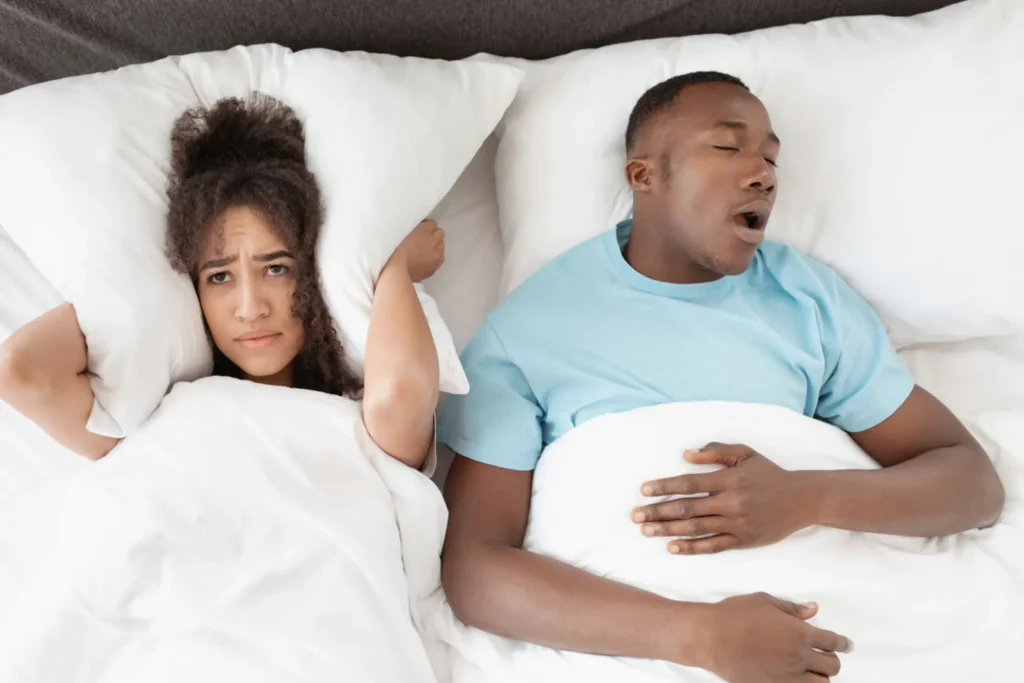
Reality: Snoring can be a sign that airflow is getting cramped at night—and that can drag down sleep quality for you and anyone within earshot.
Right now, sleep is having a moment. People are buying trackers, trying “sleep hacks,” and joking online about separate bedrooms like it’s a relationship upgrade. Under the humor is something real: travel fatigue, workplace burnout, and stress make bad sleep feel personal. If snoring is part of your story, an anti snoring mouthpiece may be one practical tool worth understanding.
The big picture: why snoring is in the spotlight
Snoring isn’t new. What’s new is how many of us are noticing it. Wearables flag restless nights. Work-from-home schedules blur boundaries. Travel ramps up again, and jet lag makes every sleep problem louder.
You may also be seeing more conversation about airway-focused dental care and new anti-snoring devices being studied in clinical settings. That doesn’t mean every gadget is a miracle. It does mean sleep and breathing health are getting more serious attention, including in dentistry and research circles.
If you want a general read on how airway-focused dental conversations are showing up in the news, see Creative Smiles Dentistry Advances Airway Dentistry to Address Sleep and Breathing Health in Tucson.
The emotional side: snoring pressure is real (and fixable)
Snoring rarely stays “just a you problem.” It becomes a couple problem, a roommate problem, or a whole-house problem. People stop inviting partners on trips. Someone starts sleeping on the couch. Then the jokes show up: “Congrats on your new relationship status—married, but in different bedrooms.”
That dynamic can create a loop. Stress worsens sleep. Worse sleep makes snoring feel louder. The louder it gets, the more tense bedtime becomes. A mouthpiece won’t solve every emotional layer, but it can lower the nightly friction when it works.
One helpful move: treat it like a shared project, not a blame game. Use neutral language. Focus on outcomes: quieter nights, better mood, more energy, fewer arguments about who woke whom.
Practical steps: a no-drama way to decide if a mouthpiece fits
Step 1: Notice your snoring pattern (without spiraling)
Before you buy anything, get a rough baseline for a week:
- When is snoring worst (back sleeping, after alcohol, during allergies)?
- Do you wake up dry-mouthed or with a sore throat?
- Do you feel unrefreshed even after enough time in bed?
If you use a sleep app or wearable, keep it simple. You’re looking for trends, not perfection.
Step 2: Understand what an anti-snoring mouthpiece is trying to do
Most anti-snoring mouthpieces aim to support airflow by changing the position of the jaw and/or tongue during sleep. In plain terms, they try to keep soft tissues from collapsing into the airway when your muscles relax.
This is why comfort and fit matter. If the device is too aggressive, you won’t wear it. If it’s too loose, it may not help.
Step 3: Pick a mouthpiece type you can actually stick with
People often quit because the plan was unrealistic, not because the idea was bad. Look for options that balance adjustability and comfort, and set expectations for an adaptation period.
If you’re comparing options, start here: anti snoring mouthpiece.
Step 4: Run a simple “sleep quality” check, not just a “noise” check
Quieter is great, but the goal is better sleep. Track:
- How you feel at 10 a.m. (energy, focus, irritability)
- How often you wake up
- Partner feedback (volume, frequency, fewer elbow jabs)
This matters because sleep trends often push the loudest metric. Real improvement usually shows up as steadier mornings.
Safety and testing: how to try a mouthpiece responsibly
Start gentle, then adjust
Many people do best when they ease in. Wear time and fit often need small tweaks. If you wake up with mild tightness that fades quickly, that can happen during adjustment. Sharp pain is a stop sign.
Watch for red flags that deserve medical attention
Snoring can overlap with sleep apnea, which is a medical condition. Don’t self-manage if you suspect breathing pauses or major daytime sleepiness. Also take symptoms seriously if you wake up gasping, have morning headaches, or feel dangerously drowsy while driving.
For a plain-language overview of sleep apnea symptoms and causes, Mayo Clinic is a solid starting point. If you suspect sleep apnea, a clinician can guide proper testing and treatment.
Think “nose + mouth + routine,” not one magic fix
Recent fitness and health chatter has also highlighted how nasal breathing can affect performance and recovery. You don’t need to chase every trend, but it’s smart to consider basics that support airflow:
- Address nighttime nasal congestion (when appropriate and safe for you).
- Try side sleeping if back sleeping triggers snoring.
- Avoid heavy alcohol close to bedtime if it reliably worsens snoring.
- Build a short wind-down routine to reduce stress-related sleep fragmentation.
Burnout-proofing your nights often beats buying a drawer full of sleep gadgets.
FAQ: quick answers people ask at 2 a.m.
Do anti-snoring mouthpieces actually work?
They can help, especially when snoring is related to relaxed jaw/tongue position during sleep. Fit and comfort drive adherence, and adherence drives results.
Is snoring the same thing as sleep apnea?
No. Snoring is a symptom. Sleep apnea is a condition involving repeated breathing disruptions. If you suspect apnea, prioritize evaluation.
How long should I test a mouthpiece?
Give it enough time to adjust unless you develop pain. Many people learn within 1–2 weeks whether it’s a realistic long-term option.
What if my partner is the one who snores?
Lead with teamwork. Offer to track changes together and agree on a “trial window.” Keep the tone supportive, not corrective.
Next step: pick a calmer bedtime plan
If snoring is hurting sleep quality, you don’t need to white-knuckle through it—or buy every trending device you see online. A well-chosen mouthpiece can be a straightforward starting point.
How do anti-snoring mouthpieces work?
Medical disclaimer: This article is for general education and does not provide medical advice or a diagnosis. If you suspect sleep apnea or have concerning symptoms (gasping, breathing pauses, severe daytime sleepiness, chest pain, or high-risk health conditions), seek care from a qualified clinician.