
Myth: Snoring is just an annoying noise.
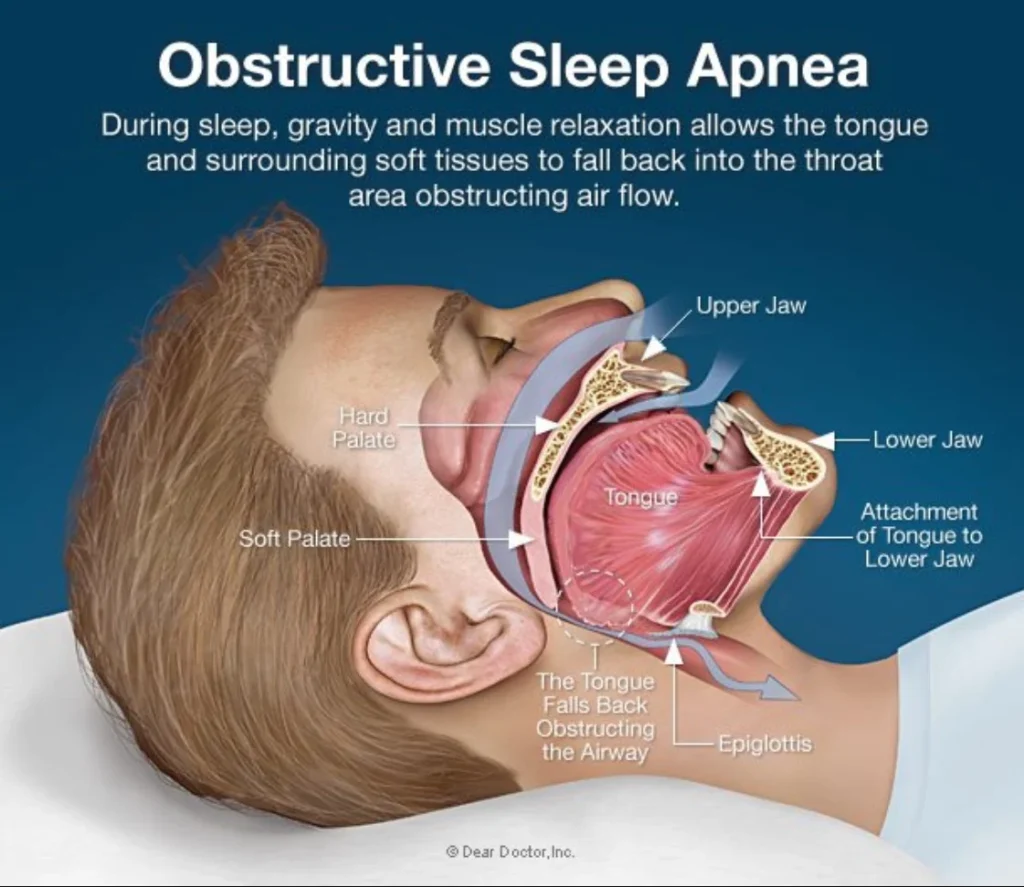
Reality: Snoring can wreck sleep quality, strain relationships, and sometimes hint at obstructive sleep apnea (OSA). That’s why the smartest move is a quick screen for red flags, then a practical fix you can stick with.
Overview: what people are talking about right now
Sleep has become a full-on “category.” People compare wearables, try viral mouth taping, and buy travel pillows that promise miracles. Meanwhile, the real-world triggers keep piling up: work burnout, late-night scrolling, and travel fatigue that turns a quiet hotel room into a snore amplifier.
There’s also a quieter trend: more focus on connected care and oral appliances that can be monitored or used as part of a broader sleep plan. The takeaway is simple. Snoring solutions are getting more mainstream, but safety and screening still come first.
If you want a quick clinical baseline, review Top Questions to Ask Your Doctor About OSA Treatment before you self-treat.
Timing: when to act vs when to get checked first
Use this timing filter. It reduces risk and keeps you from wasting money on the wrong gadget.
Act now (home steps + mouthpiece may be reasonable)
- Snoring is positional (mostly on your back).
- Snoring spikes with alcohol, allergies, or a cold.
- You wake up with dry mouth but feel mostly rested.
- Your partner reports noise, not breathing pauses.
Screen first (don’t “DIY” this away)
- Choking/gasping, witnessed breathing pauses, or frequent awakenings.
- Significant daytime sleepiness, morning headaches, or concentration issues.
- High blood pressure concerns or heart/metabolic risk factors.
- New, worsening snoring without an obvious trigger.
Bring data if you have it. A few notes from your partner and 1–2 weeks of sleep observations can help a clinician triage faster.
Supplies: what you need for a safer, cleaner trial
- Anti snoring mouthpiece (choose a style you can tolerate).
- Cleaning routine: mild soap, cool water, a dedicated case.
- Simple tracking: notes app or paper log (bedtime, wake time, alcohol, congestion, snoring report).
- Optional add-ons: nasal saline rinse, allergy management plan, side-sleep support.
Skip anything that feels “extreme” or painful. If it injures your mouth, it won’t improve your sleep long-term.
Step-by-step (ICI): Identify → Choose → Implement
1) Identify your snoring pattern (3 minutes, not a deep dive)
Answer these questions:
- Is it worse on your back?
- Is it worse after drinks or late meals?
- Do you wake with jaw tightness or nasal blockage?
- Do you feel restored in the morning?
This is not about self-diagnosis. It’s about choosing the least risky next step.
2) Choose a mouthpiece style that matches your reality
Most anti-snoring mouthpieces aim to keep the airway more open by adjusting jaw or tongue position. Comfort matters more than “maximum” settings. A device you can wear consistently beats a perfect device you abandon after two nights.
If mouth breathing is part of your story, some people prefer a combo approach. Consider a anti snoring mouthpiece as a single purchase instead of stacking random gadgets.
3) Implement with a low-risk ramp-up
- Night 1–2: short wear time before sleep to check pressure points.
- Night 3–7: full night if comfortable. Track soreness and snoring reports.
- Week 2: adjust only one variable at a time (jaw setting, sleep position, alcohol timing).
Document what you changed and why. If you later talk to a dentist or sleep specialist, that record makes the visit more productive.
Mistakes that waste money (and raise risk)
Using pain as “proof it’s working”
Jaw pain, tooth pain, or new headaches are not a success signal. They’re a stop-and-reassess signal.
Ignoring hygiene and storage
Mouthpieces live in a warm, moist environment. Clean daily, dry fully, and store in a ventilated case. Replace if it cracks, warps, or won’t clean well.
Stacking sleep hacks without a baseline
It’s easy to mix a mouthpiece, a wearable, a nasal strip, and a new supplement in the same week. Then you won’t know what helped. Run simple tests. One change at a time.
Letting relationship jokes replace a real plan
Yes, snoring is a classic couple argument. It’s also a sleep quality problem for two people. Treat it like a shared health project, not a nightly roast session.
FAQ: fast answers before you buy
Does an anti snoring mouthpiece cure sleep apnea?
It may help some people, but OSA is a medical condition that needs proper evaluation and follow-up.
How quickly will I know if it’s helping?
Many people notice changes within a week. Use partner feedback and how you feel during the day as your main signals.
What if I travel a lot for work?
Travel fatigue can worsen snoring. Pack the mouthpiece in a hard case, keep a simple cleaning routine, and prioritize consistent sleep timing when possible.
CTA: take the next step (without guessing)
If your snoring is disrupting sleep quality and you’ve screened for red flags, a mouthpiece can be a practical starting point. Keep it simple, track results, and stop if you get pain or bite changes.
How do anti-snoring mouthpieces work?
Medical disclaimer: This article is for general education only and is not medical advice. Snoring can be a symptom of obstructive sleep apnea or other conditions. If you have choking/gasping, witnessed pauses in breathing, significant daytime sleepiness, or worsening symptoms, seek evaluation from a qualified clinician.