
Myth: Snoring is just an annoying sound.
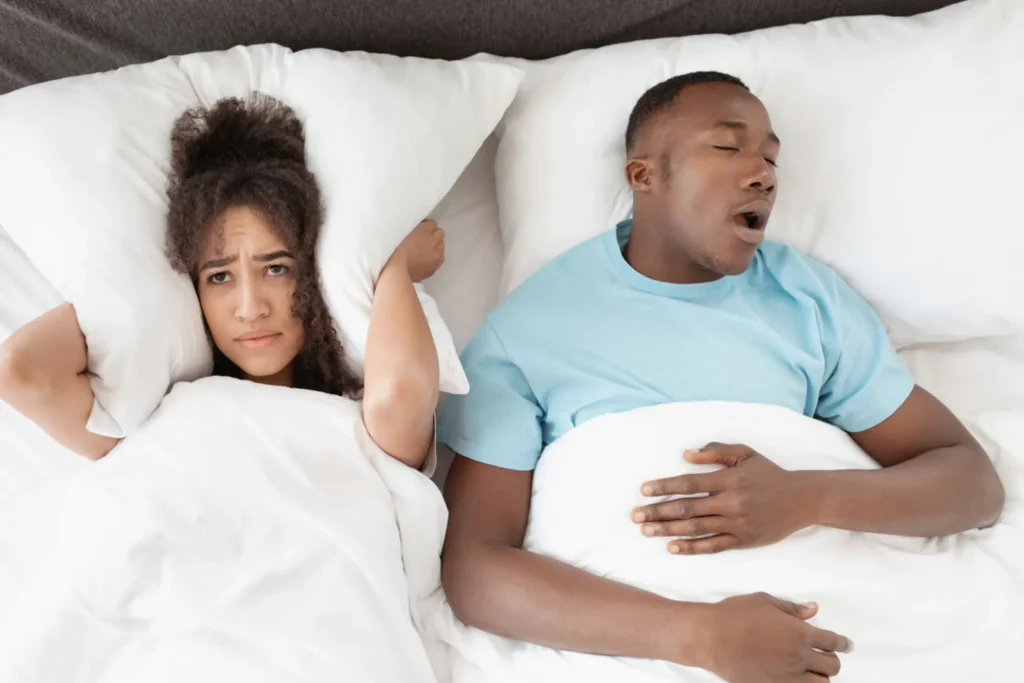
Reality: Snoring can be a signal that your sleep quality is taking a hit. It can also be the first clue that something bigger is going on. Either way, it’s worth treating like a health and safety decision, not a late-night joke.
What people are talking about right now (and why it matters)
Sleep is having a moment. New sleep gadgets keep popping up, wearables score your “readiness,” and travel fatigue has people chasing quick fixes in hotel rooms. Add workplace burnout, and suddenly everyone wants a shortcut to deeper sleep.
Snoring sits right in the middle of that trend. It’s personal, it’s loud, and it can turn a shared bed into a nightly negotiation. Relationship humor aside, the real issue is what snoring does to both people’s rest.
Some recent coverage has focused on easy-to-miss warning signs of sleep apnea and practical tips to reduce snoring. That’s the right direction: start with screening, then choose tools that match your situation.
What matters medically: snoring vs. possible sleep apnea
Snoring happens when tissues in the upper airway vibrate during sleep. It can show up after alcohol, congestion, weight changes, or sleeping on your back. Sometimes it’s “simple snoring.” Sometimes it’s connected to obstructive sleep apnea (OSA), where breathing repeatedly narrows or pauses.
Because OSA is commonly missed, it helps to watch for patterns that go beyond noise. If you want a quick overview of 5 Signs Of Sleep Apnea That Most People Miss, start there, then talk to a clinician if anything rings true.
Red flags to take seriously
- Choking, gasping, or witnessed breathing pauses during sleep
- Morning headaches, dry mouth, or sore throat that keeps recurring
- Excessive daytime sleepiness, “brain fog,” or dozing off easily
- High blood pressure or heart risk factors (especially with loud snoring)
- Snoring that suddenly worsens or changes after a health shift
These don’t prove apnea, but they raise the stakes. From a safety standpoint, document what you notice (times, triggers, partner observations). That record helps you make better choices and supports a medical visit if needed.
How to try at home (without turning your nightstand into a lab)
Home steps can improve snoring and sleep quality, especially when the cause is positional or lifestyle-related. Keep it simple for a week so you can tell what’s working.
1) Run a “snore trigger” check
- Alcohol: If snoring spikes after drinks, test a no-alcohol window before bed.
- Congestion: Address nasal stuffiness with gentle, non-invasive options (saline rinse, humidity). Avoid overusing medicated sprays.
- Sleep position: Back sleeping often worsens snoring. Side-sleeping can help.
- Sleep debt: When you’re overtired (hello, travel fatigue), snoring can get louder.
2) Protect sleep quality for both people
If you share a room, treat this like a two-person sleep plan. Set a “lights out” routine, reduce late-night scrolling, and keep the bedroom cool and dark. If you’re testing changes, agree on a short trial period and a way to track results.
3) Where an anti snoring mouthpiece fits
An anti snoring mouthpiece is often used to reduce snoring by adjusting the jaw or tongue position to keep the airway more open. It’s not a cure-all, but it can be a practical option for people with simple snoring who want something more direct than “try sleeping on your side.”
If you’re comparing products, focus on safety and fit. Look for clear materials info, cleaning guidance, and return policies. Also plan for an adjustment period.
To explore anti snoring mouthpiece, start with the style that matches your comfort level and your snoring pattern. If you have jaw issues or dental concerns, consider getting professional input before committing.
4) Reduce infection and irritation risks (simple, but overlooked)
- Wash hands before handling the device.
- Clean it daily per the manufacturer instructions.
- Let it dry fully; don’t store it wet in a closed case.
- Stop using it if you get sores, bleeding gums, or persistent pain.
This is the unglamorous part of sleep tech. It’s also where many problems start.
When to seek help (and what to bring to the appointment)
Get evaluated if you have red flags for sleep apnea, if snoring is loud and persistent, or if daytime sleepiness is affecting driving, work, or mood. Don’t wait for a wearable score to give you permission.
Bring notes. Include bedtime, wake time, alcohol timing, congestion, sleep position, and any reports of gasping or pauses. If you tried a mouthpiece, note the model, how many nights you used it, and any side effects like jaw pain or bite changes.
FAQ: quick answers people want before they buy
Is snoring always a sign of sleep apnea?
No. Many people snore without apnea. Still, loud snoring plus choking/gasping or heavy daytime sleepiness deserves screening.
Can I use an anti-snoring mouthpiece if I have TMJ?
Be cautious. Jaw conditions can flare with mandibular devices. A dentist or sleep clinician can help you choose a safer approach.
What if my partner snores and won’t address it?
Frame it as sleep health, not blame. Share specific observations and suggest a short trial: position changes, reduced alcohol, and a screening checklist.
Do “viral” sleep gadgets replace medical evaluation?
No. Gadgets can support habits, but they can’t rule out sleep apnea. Treat them as data, not a diagnosis.
CTA: make the next step easy
If you’re ready to learn the basics before you buy anything, start here:
How do anti-snoring mouthpieces work?
Medical disclaimer: This article is for general education and is not medical advice. Snoring can have many causes, including sleep apnea. If you have choking/gasping, witnessed breathing pauses, severe daytime sleepiness, or other concerning symptoms, seek evaluation from a qualified clinician.