
Myth: Snoring is just an annoying soundtrack.
Reality: Snoring often shows up alongside lighter, more fragmented sleep—yours, your partner’s, or both. If you’re feeling fried, doomscrolling at midnight, traveling more, or juggling work stress, snoring can feel like the final straw.
This guide is a practical, budget-minded way to think about sleep quality and an anti snoring mouthpiece—without buying every trending sleep gadget first.
Is my sleep quality getting worse—or am I just busy?
Both can be true. Recent sleep coverage keeps circling the same theme: many adults hit a stretch where sleep feels more fragile. Stress, schedules, and late-night screens can stack up fast.
Instead of guessing, look for patterns you can measure at home. Track bedtime, wake time, and how you feel by mid-morning. Add a note if you drank alcohol, worked late, or scrolled in bed.
If you’re curious about the broader conversation, scan the headlines and summaries around Research Shows This Is The Age When Sleep Quality Is At Its Worst. Keep expectations realistic: headlines can’t diagnose your nights, but they can nudge you to pay attention.
What’s the fastest way to tell if snoring is hurting sleep?
Use the “three-signal check.” It’s quick and costs nothing.
1) The partner report (or roommate complaint)
If someone says you snore most nights, that’s a useful data point. Relationship humor aside, repeated snoring complaints often mean sleep disruption is real.
2) The morning feel
Dry mouth, headache, or waking up unrefreshed can go with snoring. They can also come from dehydration, stress, or congestion, so don’t overread one day.
3) The audio clue
A simple phone recording can reveal whether snoring is occasional or constant. You don’t need perfection—just enough to notice trends.
Are “breathing trends” and sleep hacks actually useful?
Some are. Some are noise. The current buzz around breathing and sleep hygiene usually boils down to basics: reduce stuff that blocks airflow and stop stimulating your brain right before bed.
Two practical moves show up again and again:
- Cut the scroll loop. Social apps are designed to keep you engaged. If you lose hours to scrolling, your sleep window shrinks.
- Build a work shutdown. Many people fall asleep faster when they stop work well before bedtime. It’s not magic. It’s nervous system math.
These changes won’t “cure” snoring by themselves, but they can improve sleep depth and consistency. That matters when you’re testing anything else.
When does an anti snoring mouthpiece make sense?
If your snoring seems positional (worse on your back), or if it ramps up with travel fatigue and burnout weeks, a mouthpiece can be a reasonable next step. It’s also a common alternative to endlessly buying new pillows, tapes, sprays, and wearables.
Most anti-snoring mouthpieces aim to improve airflow by changing jaw or tongue positioning during sleep. That can reduce vibration in the soft tissues that create the snore sound.
Good signs you might be a fit
- You snore regularly, but you’re not having obvious breathing pauses.
- Your partner reports loudness more than “stopping breathing.”
- You want a non-powered, packable option for travel.
Reasons to pause and get checked
- Gasping, choking, or witnessed breathing pauses during sleep.
- Severe daytime sleepiness, morning headaches, or high blood pressure concerns.
- Snoring that suddenly worsens without a clear reason.
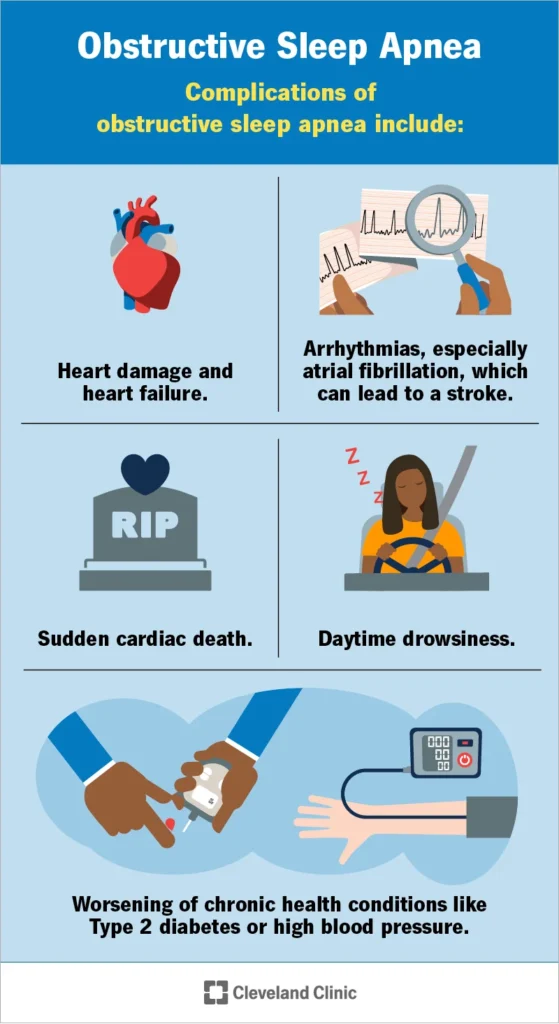
Snoring can be linked with sleep apnea. For a plain-language overview of symptoms and causes, see Mayo Clinic’s guidance here: sleep apnea symptoms and causes.
How do I avoid wasting money on the wrong mouthpiece?
Shop like you’re testing a hypothesis, not buying a miracle.
Step 1: Decide what “working” means
Pick one main outcome for two weeks: fewer partner wake-ups, lower snore volume on recordings, or waking up less dry. Keep it simple so you can tell what changed.
Step 2: Check comfort and fit expectations
Many people quit because of soreness, drooling, or a bulky feel. That doesn’t always mean the idea is wrong. It may mean the fit or design isn’t right for you.
Step 3: Pair it with one sleep habit change
Don’t change everything at once. If you also stop caffeine late and stop working two hours before bed, you won’t know what helped.
If you want a starting point to compare options, see anti snoring mouthpiece and focus on fit, materials, and practical use—especially if you travel.
What else should I do tonight (besides buying stuff)?
Try this low-cost “snore stack” for one week:
- Side-sleep experiment: Use a pillow setup that discourages back sleeping.
- Screen cutoff: Put your phone on a charger outside the bed area.
- Wind-down boundary: Stop work and heavy problem-solving before bed.
- Simple tracking: Note snoring severity and morning energy in two lines.
If you still snore most nights, that’s when a mouthpiece trial can be a smart, controlled next step.
FAQ: quick answers people are searching for
Do anti-snoring mouthpieces work for everyone?
No. They can help some people, but results vary. If symptoms suggest sleep apnea, get evaluated.
Is snoring the same as sleep apnea?
No. Sleep apnea involves repeated breathing interruptions. Loud snoring can be a sign, but it’s not a diagnosis.
How long does it take to get used to a mouthpiece?
Often several nights to a couple of weeks. Comfort usually improves with gradual use and correct fitting.
Can a mouthpiece help if I breathe through my mouth at night?
Sometimes. Jaw/tongue positioning may help, but congestion and nasal airflow matter too.
What’s the cheapest way to test if a mouthpiece might help?
Track snoring, try one sleep-hygiene change, then trial a reputable device and log results.
Ready to understand your options?
Skip the gadget spiral. Start with a simple plan, then test one change at a time.
How do anti-snoring mouthpieces work?
Medical disclaimer: This article is for general education and does not provide medical advice. Snoring can be associated with sleep apnea and other health conditions. If you have choking/gasping, witnessed breathing pauses, significant daytime sleepiness, or other concerning symptoms, talk with a qualified clinician.