
Myth: Snoring is just an annoying soundtrack.
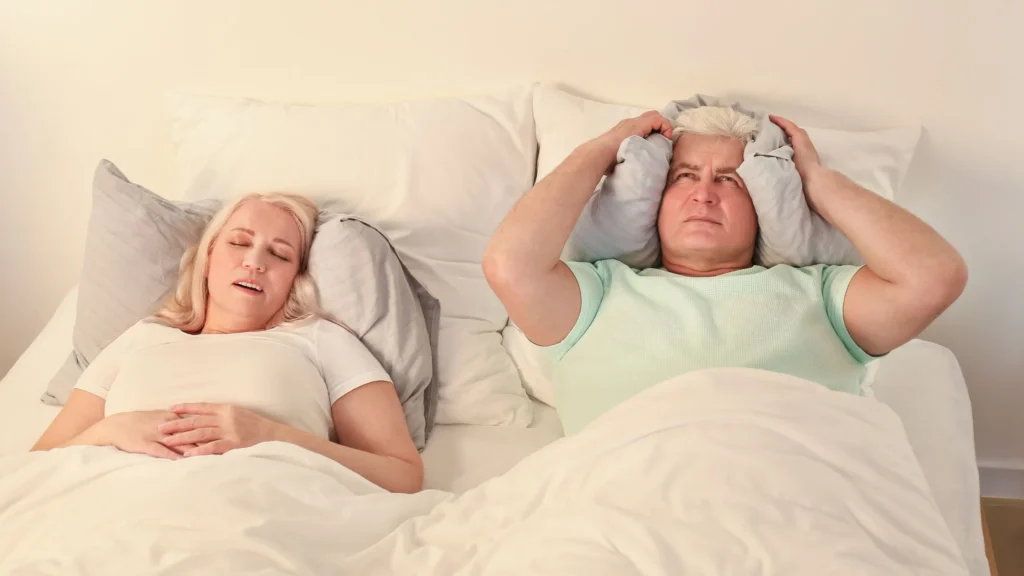
Reality: Snoring can be a signal that your airflow is getting squeezed—and that can drag down sleep quality for you (and anyone within earshot). If you’ve noticed the current wave of sleep gadgets, “sleep score” apps, and mouthpiece reviews making the rounds, you’re not imagining it. People are trying to sleep better because burnout is real, travel fatigue is constant, and nobody wants to negotiate pillow borders at 2 a.m.
What people are talking about right now (and why)
Sleep gear is having a moment. You’ll see mouthpiece reviews framed like product tests, nasal aids discussed in research roundups, and more mainstream health pages reminding readers that snoring isn’t always “nothing.” The vibe is clear: people want practical fixes that don’t require a full lifestyle overhaul.
Relationship humor is part of it too. “You snore, I didn’t sleep” is a common punchline—until it turns into real frustration, separate bedrooms, or daytime brain fog at work.
If you’ve been skimming headlines, you’ve likely seen coverage around mouthpiece reviews and whether they “really work.” Here’s a useful starting point for that broader conversation: SleepZee Reviews (Consumer Reports) Does This Anti-Snoring Mouthpiece Really Work?.
What matters medically (without overcomplicating it)
Snoring happens when airflow turns turbulent and nearby tissues vibrate. That turbulence can be influenced by sleep position, alcohol, nasal congestion, jaw/tongue placement, and weight changes. It can also show up alongside sleep-disordered breathing.
One key point: snoring and sleep apnea aren’t the same thing, but they can overlap. If you have choking or gasping at night, witnessed breathing pauses, morning headaches, or strong daytime sleepiness, treat that as a reason to get checked rather than just “trying another gadget.” Major health resources note these symptoms as common red flags for sleep apnea.
Nasal factors also matter. Research discussions around nasal dilators and sinus issues highlight what many people already feel: when your nose is blocked, your sleep can suffer. Even after nasal or sinus treatment, some people still snore because the issue isn’t only the nose.
How to try at home: a no-drama plan for mouthpieces
If your snoring seems position-related (worse on your back) or your partner says it sounds like “throat snoring,” an anti snoring mouthpiece may be worth a structured trial. Most over-the-counter options fall into two buckets:
- Mandibular advancement devices (MADs): gently bring the lower jaw forward to open the airway.
- Tongue-retaining devices (TRDs): hold the tongue forward to reduce airway blockage.
Step 1: Pick the simplest option you’ll actually wear
Don’t start with the “most intense” setting or the bulkiest design. Comfort drives consistency, and consistency drives useful feedback. If you’re comparing options, browse anti snoring mouthpiece and focus on adjustability, material feel, and cleaning ease.
Step 2: Fit and positioning basics (ICI)
Think ICI: Incremental changes, Comfort checks, and Inspection in the morning.
- Incremental: If your device advances the jaw, move in small steps. More is not automatically better.
- Comfort: Mild awareness is common at first. Sharp pain, jaw locking, or tooth pain is not a “push through it” situation.
- Inspection: Note dryness, gum irritation, and morning bite changes. Those clues tell you if fit needs adjustment.
Step 3: Run a 10-night mini experiment
Sleep trends love “scores,” but you can keep this low-tech. For 10 nights, track:
- Partner report (or a simple snore recording app)
- How often you wake up
- Morning jaw comfort (0–10)
- Daytime sleepiness and focus
Travel week? Late dinners? A couple of drinks? Note it. Snoring is sensitive to real life, not lab life.
Step 4: Cleanup that doesn’t get skipped
If cleaning feels fussy, adherence drops fast. Rinse after use, brush gently with mild soap, and let it air-dry. Avoid harsh heat unless the manufacturer says it’s safe. Replace the device when it warps, cracks, or starts holding odor.
When a mouthpiece isn’t enough (and you should seek help)
Get medical guidance if any of these show up:
- Witnessed breathing pauses, choking, or gasping during sleep
- Excessive daytime sleepiness, drowsy driving risk, or concentration issues
- High blood pressure concerns or significant morning headaches
- Severe jaw pain, bite changes that persist, or tooth pain with a device
- Chronic nasal blockage that doesn’t respond to basic measures
A clinician can help rule out sleep apnea and discuss options like a custom oral appliance, nasal evaluation, or other therapies. If you suspect sleep apnea, don’t rely on self-treatment alone.
FAQ: quick answers people want before they buy
Is an anti-snoring mouthpiece just another sleep gadget trend?
It’s more than a trend for some people. Mouthpieces have a clear mechanical goal—changing jaw or tongue position to improve airflow—so they can be a practical tool when used correctly.
What if I’m a mouth breather?
Mouth breathing can worsen dryness and snoring. If nasal blockage is driving it, addressing congestion may improve results with (or without) a mouthpiece.
Can I use a mouthpiece if I have TMJ issues?
Maybe, but proceed carefully. Jaw conditions can flare with repositioning devices. If you have TMJ pain or locking, talk with a dentist or clinician before committing.
Next step
If you want a simple explanation before you shop, start here:
How do anti-snoring mouthpieces work?
Medical disclaimer: This article is for general education only and isn’t medical advice. It does not diagnose or treat any condition. If you have symptoms of sleep apnea, significant daytime sleepiness, or persistent pain with any device, seek evaluation from a qualified healthcare professional.