
Myth: Snoring is just a funny relationship quirk.
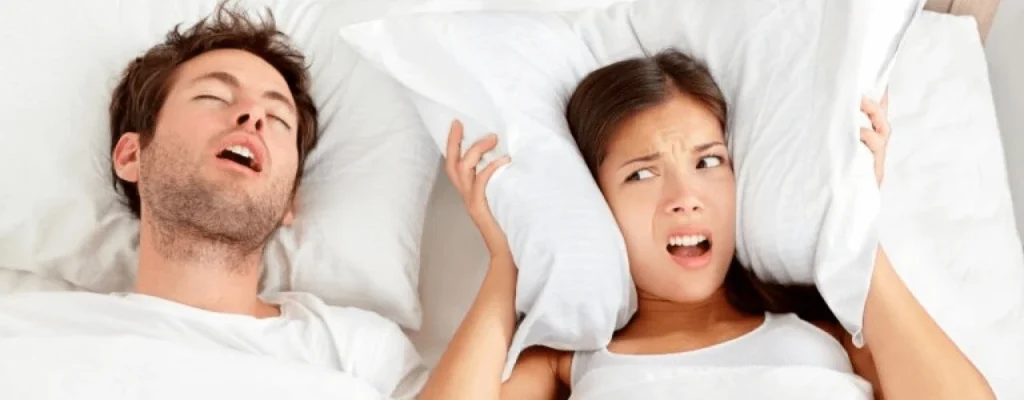
Reality: Snoring can be the sound track of broken sleep. Even when you don’t fully wake up, your sleep can get chopped into lighter stages. That’s why people feel “tired but wired” the next day.
Big picture: why snoring is suddenly everyone’s topic
Sleep has become a full-on lifestyle category. People are buying trackers, trying viral gadgets, and swapping “what worked for me” tips like they swap travel hacks. Add travel fatigue, workplace burnout, and nonstop screens, and it’s no surprise that sleep quality is trending.
Seasonal changes also nudge the conversation. Colder months can mean drier air and more congestion for some people, which can make snoring worse. When your nose feels blocked, your body often defaults to mouth breathing. That can raise the odds of noisy nights.
And yes, there’s also real medical research in the background. One recent headline discussed simple nasal care being studied in kids with sleep-disordered breathing. That doesn’t mean a home remedy “solves” apnea, but it reinforces a useful point: airflow matters.
The emotional part: it’s not just about you
Snoring creates two problems at once. You may get poorer sleep, and your partner may get even less. That’s where the jokes start, then the resentment, then the “one of us is sleeping on the couch” phase.
If you’ve tried to laugh it off, you’re not alone. But treating it like a shared household issue often works better. Make the goal “quiet, stable sleep for both of us,” not “stop being annoying.”
Practical steps: a no-drama plan that starts tonight
Step 1: do a quick risk screen before you buy another gadget
Snoring can be harmless, but it can also sit next to obstructive sleep apnea. Don’t self-diagnose. Do watch for warning signs that deserve medical attention, such as loud snoring with choking/gasping, witnessed breathing pauses, morning headaches, or heavy daytime sleepiness.
If those show up, treat shopping as secondary. The safer move is evaluation through a clinician or a sleep test pathway.
Step 2: reduce the “nose is blocked” factor
When people talk about quick wins, nasal comfort comes up a lot. Congestion from allergies, colds, or dry winter air can push mouth breathing. That can amplify snoring.
General options people try include humidifying the room, managing allergens, and basic nasal hygiene. For a related read in the news cycle, see this Intranasal Saline Effective Against Kids’ Sleep Apnea. Keep expectations grounded and loop in a clinician for pediatric concerns.
Step 3: use position and timing to lower snoring pressure
Small behavior changes can stack up. Side sleeping helps many people. Alcohol close to bedtime can relax throat tissues and worsen snoring, so pulling it earlier can matter. Late, heavy meals can also make nights rough for some sleepers.
None of these are moral judgments. They’re levers. Use the ones that fit your life.
Step 4: where an anti snoring mouthpiece fits
An anti snoring mouthpiece is often considered when snoring seems tied to jaw position and airway collapse during relaxation. Many mouthpieces aim to bring the lower jaw slightly forward. That can help keep the airway more open for certain sleepers.
This is why mandibular advancement devices keep popping up in reviews and “is it legit?” coverage. People want something that feels more concrete than another app or another wearable.
If you’re exploring a combined approach, a anti snoring mouthpiece is one example shoppers compare when they want both jaw support and help keeping the mouth closed. Comfort and fit are the make-or-break factors.
Safety and testing: document your choices like a grown-up
Fit and comfort checks (do this before night one)
Look for sharp edges, poor molding, or a fit that forces your bite. Discomfort isn’t “proof it’s working.” It’s usually proof the fit needs adjustment or the product isn’t right for you.
Track two simple metrics for 10–14 nights: (1) partner-reported snoring volume and (2) your morning jaw comfort. If either gets worse, pause and reassess.
Dental and jaw considerations
Mouthpieces can stress the jaw and teeth. If you have TMJ symptoms, loose crowns, gum disease, or significant bite problems, get dental guidance before using one. That’s not red tape. It’s how you avoid turning a snoring project into a dental bill.
When to stop DIY and escalate
If you have red-flag symptoms of sleep apnea, or if snoring persists with severe daytime fatigue, don’t keep stacking gadgets. Ask about a clinical evaluation. Sleep is not “optional downtime.” It’s an active recovery phase, and chronic disruption can spill into mood, focus, and cardiometabolic health over time.
Medical disclaimer: This article is for general education and does not provide medical advice, diagnosis, or treatment. If you suspect sleep apnea, have significant daytime sleepiness, or have jaw/dental pain, seek guidance from a qualified clinician or dentist.
FAQ: quick answers people want before buying
Do mouthpieces work right away?
Some people notice a difference quickly. Others need a short adjustment period. A gradual fit approach often improves comfort.
Will a mouthpiece fix sleep apnea?
It may help some cases, but sleep apnea needs proper screening and treatment planning. Don’t assume snoring relief equals apnea resolved.
What if my partner says I still snore?
Re-check fit, sleep position, and alcohol timing. If snoring stays loud or you have red flags, move toward evaluation rather than endless tweaks.
CTA: make your next step simple
If you want to understand the basics before you commit, start here: