
Myth: Snoring is just an annoying soundtrack.
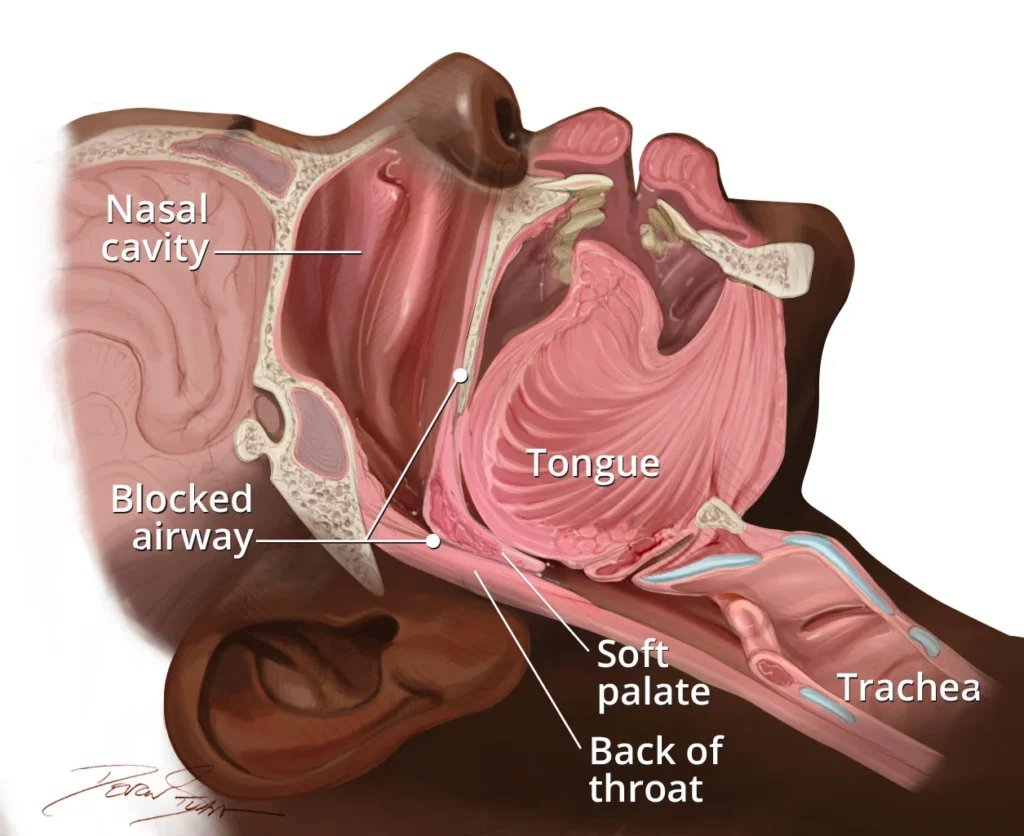
Reality: It often signals airflow turbulence that can fragment sleep—yours, your partner’s, or both. That’s why “sleep quality” is showing up everywhere right now, from new sleep gadgets to workplace burnout talk.
This guide keeps it practical. You’ll learn what to try first, when an anti snoring mouthpiece makes sense, and how to avoid buying three devices you never use.
Is snoring actually hurting sleep quality?
It can. Even if you don’t fully wake up, snoring and partial airway blockage may nudge you into lighter sleep. The next day can feel like travel fatigue: groggy, short-tempered, and weirdly hungry.
Snoring also becomes a relationship issue fast. One person is “fine,” the other is staring at the ceiling doing mental math on how many hours are left until the alarm.
Clues your sleep is paying the price
- You wake with a dry mouth or sore throat.
- You feel unrefreshed despite enough time in bed.
- A partner reports loud, frequent snoring.
- You get morning headaches or struggle with focus.
If anyone notices breathing pauses, gasping, or choking, treat that as a medical flag. Snoring can overlap with sleep apnea, and that needs proper evaluation.
What do people mean by “connected” sleep care right now?
Sleep is having a tech moment. People track everything: steps, HRV, temperature, even snore audio. In the same spirit, headlines have pointed to oral appliances being studied and cleared in ways that fit into a more “connected care” ecosystem—where therapy and follow-up can be coordinated and monitored.
If you’re curious about that broader trend, see this related coverage: FDA Clears New Trial Oral Appliance That Fits Into Connected Care Ecosystem.
Translation: mouthpieces aren’t just “old-school plastic.” The category is evolving, and the conversation is getting more mainstream.
What should I try first (before spending money)?
Start with the highest-impact, lowest-cost moves. Give each one a few nights so you’re not guessing based on a single bad evening.
Quick at-home checks
- Sleep position: Side sleeping often reduces snoring for many people.
- Alcohol timing: Avoid drinking close to bedtime if snoring spikes after a nightcap.
- Nasal comfort: If congestion is part of the story, address it with gentle options (like humidity or saline) and talk to a clinician if it’s persistent.
- Schedule consistency: Burnout and irregular sleep can make everything feel worse, including snoring tolerance.
These steps won’t solve every case. They do help you learn whether your snoring is “situational” (travel, stress, allergies) or more consistent.
When does an anti snoring mouthpiece make sense?
If snoring is frequent and position changes don’t cut it, a mouthpiece becomes a reasonable next step—especially if you want a budget-friendly trial at home.
Most anti-snoring mouthpieces aim to keep the airway more open by gently moving the lower jaw forward. That can reduce vibration and collapse in some people.
Who tends to consider it
- People who snore most nights and want a non-invasive option.
- Couples who want fewer “sleep divorce” nights on the couch.
- Travelers who want something portable when hotel pillows and time zones wreck routine.
Who should pause and ask a clinician first
- Anyone with suspected sleep apnea symptoms (pauses, gasping, severe sleepiness).
- People with significant TMJ/jaw pain, loose teeth, or major dental work concerns.
- Those with ongoing morning headaches or high blood pressure concerns.
How do I pick a mouthpiece without wasting a cycle?
Ignore hype and focus on fit, comfort, and whether you can actually wear it consistently. A perfect device that stays in the drawer doesn’t help sleep quality.
Practical buying checklist
- Fit method: Many options use a mold-at-home approach. Comfort matters as much as “tightness.”
- Adjustability: Small changes can reduce jaw soreness and improve results.
- Materials and cleaning: Choose something you can maintain easily.
- Return policy: Your mouth is unique. A trial period reduces risk.
If you’re comparing options, here’s a starting point for anti snoring mouthpiece.
What should I expect the first week?
Plan for an adjustment phase. Mild drooling, tooth pressure, or jaw tightness can happen early on. Many people find comfort improves as they fine-tune fit and wear time.
Stop using the device and seek professional advice if you have sharp pain, lasting bite changes, or worsening headaches. Comfort is not optional.
Can sleep gadgets help, or do they just add stress?
They can help if you use them like a dashboard, not a judge. A simple snore recording or sleep score can show trends—like snoring spiking after late meals or during a stressful work stretch.
Don’t let data become another burnout loop. If the tracker makes you anxious, use fewer metrics and focus on how you feel in the morning.
FAQ
Can an anti snoring mouthpiece help right away?
Some people notice less snoring quickly, but comfort and fit often improve over several nights. Results depend on why you snore and how consistently you use it.
What’s the difference between snoring and sleep apnea?
Snoring is a sound from vibration in the airway. Sleep apnea involves repeated breathing interruptions during sleep. If you have choking/gasping, daytime sleepiness, or witnessed pauses, get evaluated.
Are boil-and-bite mouthpieces worth trying?
They can be a practical first step for simple snoring if you want a lower-cost trial. If you have jaw pain, dental issues, or suspected apnea, talk to a clinician first.
Can mouthpieces cause jaw soreness or tooth movement?
They can, especially early on or with poor fit. Stop using it and seek dental/medical advice if pain, bite changes, or headaches persist.
Do sleep trackers and snore apps replace medical advice?
No. They can help you notice patterns, but they don’t diagnose conditions. Use them as a clue, not a conclusion.
What should I try before buying anything?
Start with simple steps: side sleeping, reducing alcohol close to bedtime, nasal support if you’re congested, and a consistent sleep schedule. If snoring is loud and persistent, consider a mouthpiece or evaluation.
Ready to make snoring less of a nightly event?
If you want a practical next step that doesn’t require a full gadget overhaul, start with a mouthpiece you can actually stick with. Pair it with one or two habit changes, not ten.
How do anti-snoring mouthpieces work?
Medical disclaimer: This article is for general education only and isn’t medical advice. Snoring can be a sign of sleep apnea or other health issues. If you have breathing pauses, chest pain, severe daytime sleepiness, or persistent symptoms, talk with a qualified clinician.