
Myth: Snoring means you’re sleeping like a rock.
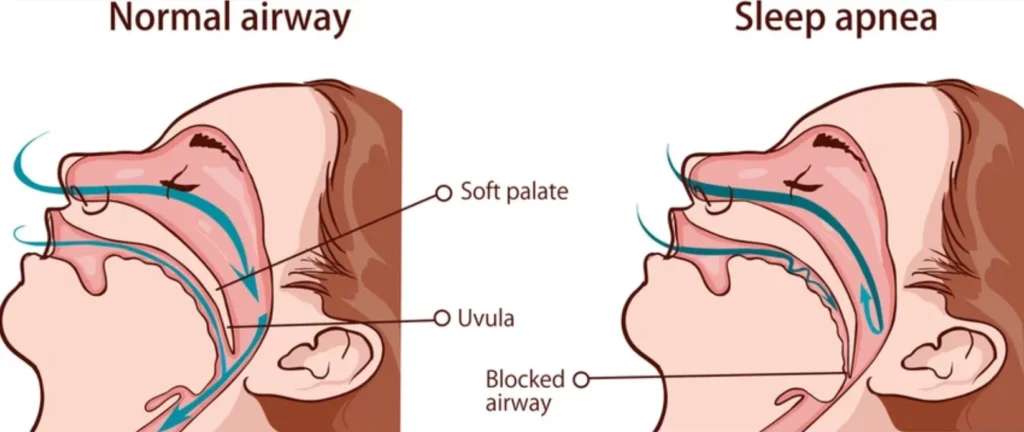
Reality: Snoring can signal airflow struggle, fragmented sleep, and a partner who’s quietly pricing earplugs at 2 a.m.
Right now, sleep conversations are everywhere: new “sleep gadgets,” nasal-breathing trends, travel fatigue, and workplace burnout. People want a fix that doesn’t waste a full month (or a full paycheck). This guide keeps it practical, with a clear place for an anti snoring mouthpiece in a simple at-home plan.
Why does snoring feel louder lately (and more expensive to fix)?
Because the market is loud. Mouth tape is trending, wearables promise “sleep scores,” and every tired traveler has a different hack. Add stress and late-night scrolling, and your sleep gets thin even before the snoring starts.
Also, partners are talking about it more openly. Recent relationship pieces have pointed out a real dynamic: the snoring may improve, yet couples still sleep apart out of habit. Once sleep is disrupted, the routine can stick.
Is snoring just annoying, or is it hurting sleep quality?
Snoring can be “just noise,” but it can also mean your airway is narrowing and your body is working harder to breathe. That extra effort can fragment sleep, even if you don’t fully wake up.
Here’s the budget-friendly way to think about it: your goal is fewer disruptions, not a perfect gadget stack. Start by noticing patterns—snoring on your back, after alcohol, during congestion, or when you’re overtired.
Quick self-check: what changes when sleep quality drops?
- More daytime sleepiness or brain fog
- Morning headaches or dry mouth
- More wake-ups (you or your partner)
- More irritability—especially during high-stress weeks
What’s the nose got to do with it?
Nasal breathing is having a moment, and for good reason: when your nose is clear, breathing can feel steadier. Some recent wellness coverage has leaned into the idea that your nose is a key player in sleep comfort.
Keep claims simple: if you’re congested, you’re more likely to mouth-breathe, and that can worsen snoring for some people. That’s why nasal routines (like gentle saline use) get discussed in sleep circles, including pediatric sleep-breathing research headlines.
When should I worry about sleep apnea?
Snoring and sleep apnea aren’t the same thing, but they can overlap. Sleep apnea involves repeated breathing interruptions during sleep. If you suspect it, you deserve a real evaluation, not just another gadget.
Common red flags include loud snoring plus gasping/choking, witnessed pauses in breathing, or heavy daytime sleepiness. For a general overview, see Living Well with SoHum Health: The Nose Knows.
Do anti-snoring mouthpieces actually help, or is it hype?
They can help in a very specific way: by supporting jaw position and reducing airway collapse for some people. That makes them a practical option when snoring is positional or linked to jaw relaxation at night.
They are not magic for every cause of snoring. If congestion, anatomy, alcohol, or untreated sleep apnea is driving the problem, you may need a different approach or medical guidance.
What to look for if you’re trying to avoid wasted money
- Comfort: if it hurts, you won’t use it.
- Fit strategy: adjustable or designed to stay put.
- Realistic goal: quieter nights and fewer wake-ups, not “silent forever.”
- Simple tracking: partner feedback + how you feel at 10 a.m.
What about mouth taping and other trending sleep hacks?
Mouth taping is popular in sleep trend cycles, but safety is the headline, too. If you can’t breathe well through your nose, taping can be a bad idea. Some expert coverage has urged caution and individualized advice.
If you’re tempted because it’s cheap, pause and ask one question: “Do I reliably breathe through my nose at night?” If the answer is no, start with nasal comfort and a clinician’s input rather than forcing it.
What’s a practical, at-home plan for better sleep (without a gadget pile)?
Use a two-week test that’s boring on purpose. Boring works.
- Nights 1–3: baseline. Note snoring volume (partner report), wake-ups, morning dryness, daytime energy.
- Nights 4–14: add one change at a time: side-sleeping support, nasal comfort routine, and/or a mouthpiece.
- Keep constants: similar bedtime, less late alcohol, and a cooler, darker room.
This is also the relationship-friendly approach. It turns “you kept me up” into “we’re running a simple test.” Less blame, more data.
Which product type is worth trying first?
If your snoring seems worse when your jaw drops open, a combo approach can be appealing. A mouthpiece plus gentle support for mouth closure is one way people try to reduce vibration and airflow noise.
If you want a single item to test, consider an anti snoring mouthpiece and track results for comfort and consistency.
FAQs: quick answers people ask before buying
Will an anti-snoring mouthpiece stop snoring immediately?
Sometimes you’ll notice a change fast, but comfort and fit often take several nights to dial in.
Can I use a mouthpiece if I have jaw pain?
Be cautious. If you have TMJ symptoms or dental issues, ask a dentist or clinician before using a device.
Is snoring worse during burnout weeks?
It can be. Stress, poor sleep schedules, and more back-sleeping can all stack the odds toward louder nights.
CTA: get the simple explanation before you buy
How do anti-snoring mouthpieces work?
Medical disclaimer: This article is for general education only and isn’t medical advice. Snoring can be a symptom of sleep apnea or other conditions. If you have breathing pauses, gasping, significant daytime sleepiness, chest pain, or worsening symptoms, seek evaluation from a qualified clinician.