
Myth: Snoring is just an annoying soundtrack.
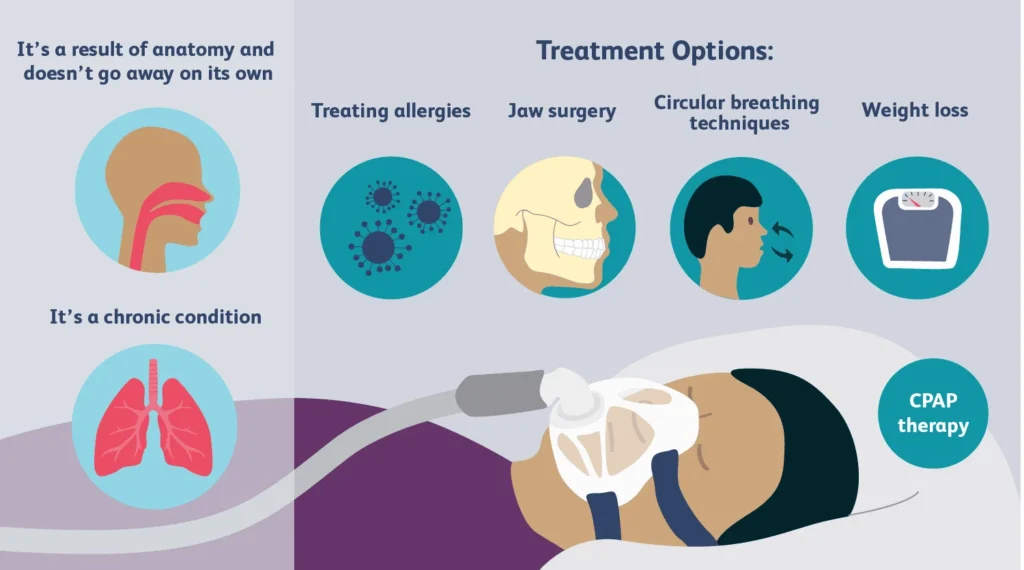
Reality: Snoring can fragment sleep, strain relationships, and feed that “I’m running on fumes” feeling people keep joking about at work and on group trips.
Right now, sleep is having a moment. Wearables score your “sleep readiness.” Social feeds push quick fixes. Travel fatigue is basically a personality trait. In all that noise, one practical question keeps coming up: what actually helps without wasting a whole month?
Overview: Why snoring is a sleep-quality problem (not a volume problem)
Snoring often shows up when airflow gets turbulent as you sleep. That turbulence can jolt you or your partner into lighter sleep, even if no one fully wakes up. The next day, you feel it as brain fog, irritability, or that second-coffee desperation.
Some headlines have also pointed people toward bigger concerns like sleep apnea. That’s the category where breathing repeatedly pauses or becomes shallow during sleep. If that’s on the table, you want a real evaluation, not just another gadget.
If you want a high-level explainer to frame the conversation, see What is Sleep Apnea?.
Timing: When to address snoring (and when to stop DIY)
Do a quick “right now” check
Act sooner if snoring is new, suddenly louder, or paired with daytime sleepiness. Don’t wait for burnout to become your baseline. Sleep is not optional; it’s an active recovery phase your body relies on.
Pause home experiments if these show up
- Witnessed breathing pauses, choking, or gasping
- Morning headaches, dry mouth, or unrefreshing sleep most days
- High blood pressure concerns, or significant daytime drowsiness
Those are “get checked” signals. A mouthpiece can still be part of a plan, but you want the right plan.
Supplies: A budget-minded snoring kit that isn’t a junk drawer
- Phone notes app (or a simple sleep log): bedtime, wake time, how you felt
- Basic nasal support: saline rinse or strips if congestion is common
- Side-sleep help: a pillow strategy or positional support
- Anti-snoring mouthpiece: for many people, this is the most direct “snoring mechanics” tool
If you’re comparing options, a combined approach can be appealing for people who also struggle to keep their mouth closed. Example: anti snoring mouthpiece.
Step-by-step (ICI): Identify → Choose → Implement
1) Identify your pattern in 3 nights
Keep it simple. Note bedtime, alcohol late or not, nasal congestion, and whether you slept on your back. Also record the “relationship impact”: did someone move to the couch, or did you both wake up cranky?
This is the fastest way to spot the obvious triggers without buying five different sleep gadgets.
2) Choose the least-complicated lever first
If congestion is the driver, start there. If back-sleeping is the pattern, make side-sleeping easier. If the snoring seems mechanical and consistent, an anti snoring mouthpiece may be the most direct next step.
Mouthpieces commonly work by gently positioning the lower jaw forward to help keep the airway more open. That can reduce vibration and noise for some sleepers.
3) Implement like a mini trial, not a life sentence
- Nights 1–2: Short wear time to get used to it. Focus on comfort and fit.
- Nights 3–7: Full-night use if tolerated. Keep your notes short.
- End of week: Decide based on outcomes: fewer wake-ups, less partner disruption, better morning energy.
Don’t judge success by snoring volume alone. Judge it by sleep continuity and how you function the next day.
Mistakes people make (especially when they’re tired of being tired)
Chasing trends instead of solving the bottleneck
Mouth taping has been making the rounds as a snoring hack. It can sound “clean and simple,” but it isn’t universally safe or comfortable. If your nose isn’t reliably clear, it can backfire. If you feel panicky, stop.
Over-tightening or rushing the fit
Jaw soreness is a common reason people quit too early. Ease in and follow the product instructions. Comfort matters because consistency is what changes sleep.
Ignoring the “snoring stopped, but we still don’t sleep well” problem
Some couples keep sleeping apart even after the noise improves. Habits stick. Rebuild bedtime timing, room temperature, and light control. Add a little humor, too. “We’re trialing sleep like a new app” lands better than blame.
FAQ: Quick answers people ask before buying anything
Is snoring always a medical issue?
No. But it can be a sign of airway resistance, and in some cases it overlaps with sleep apnea. If there are red flags, get evaluated.
Will an anti snoring mouthpiece work the first night?
Some people notice change quickly. Others need a week or two to adapt. Track sleep quality, not just noise.
What else improves sleep quality fast?
Consistent wake time, less late alcohol, a cooler/darker room, and side-sleeping support are high-value basics. They pair well with mouthpiece use.
CTA: A practical next step you can try this week
If you’re done wasting cycles on random hacks, pick one plan and run it for seven nights: track your triggers, clean up the basics, and test a mouthpiece methodically.
How do anti-snoring mouthpieces work?
Medical disclaimer: This article is for general education and is not medical advice. Snoring can have many causes, including sleep apnea. If you have choking/gasping, witnessed breathing pauses, significant daytime sleepiness, or other concerns, seek evaluation from a qualified clinician.