
Myth: Snoring is just a funny relationship problem.
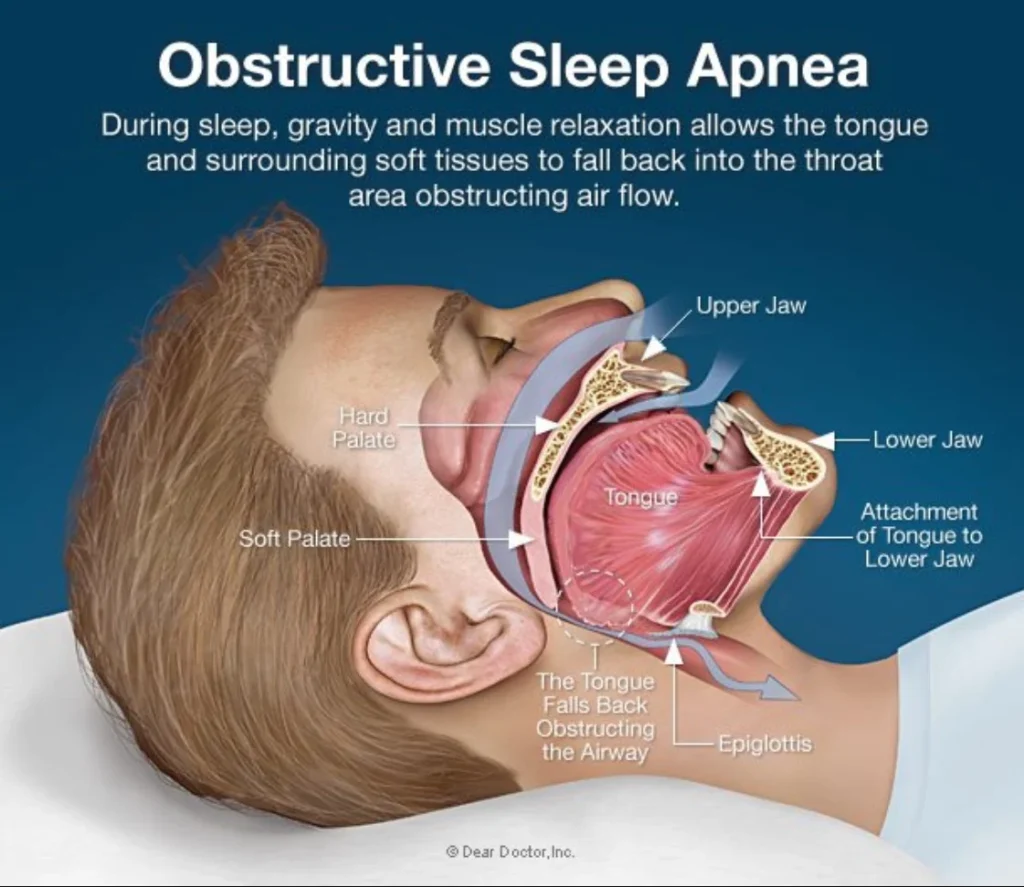
Reality: Snoring often steals sleep quality for two people at once. It can also be a clue that breathing during sleep isn’t as smooth as it should be.
Right now, sleep is having a moment. People are buying sleep gadgets, swapping “travel fatigue” hacks, and joking about separate bedrooms like it’s a personality test. Add workplace burnout to the mix, and “quiet nights” starts sounding less like a luxury and more like basic maintenance.
What people are talking about: snoring tech, breathing, and sleep health
Across recent sleep coverage, a few themes keep popping up. New anti-snoring devices are expanding into more markets, and buyers are comparing options the way they compare earbuds. At the same time, more headlines are reminding readers that snoring can overlap with bigger breathing issues, including missed signs of sleep apnea.
If your feed is full of “fix your breathing” tips, you’re not imagining it. Breathing patterns, nasal congestion, and sleep position can all nudge snoring up or down. The trick is picking changes you can actually stick with.
For a quick overview of red flags that can hide in plain sight, see Why TENS Anti-Snoring Device Manufacturer China CE Compliant Is Expanding Globally.
The decision guide: if…then… choose your next step
Use these branches to narrow down what’s most likely to help. You don’t need a perfect plan. You need the next right move.
If your snoring is positional (worse on your back)… then start with positioning + a simple airway check
If snoring ramps up when you’re flat on your back, side-sleeping can reduce vibration in the throat for some people. Travel makes this worse because hotel pillows and late dinners change your usual setup.
Then do a quick check: are you congested, mouth breathing, or waking with a dry mouth? If yes, nasal airflow may be part of the story.
If your partner says the snoring is loud and constant… then consider a mouthpiece sooner
When snoring is steady and disruptive, an anti snoring mouthpiece can be a practical step. Many mouthpieces work by gently moving the lower jaw forward to help keep the airway more open.
People like them because they’re small, travel-friendly, and not another app you have to manage. That matters when burnout has you operating on “minimum viable bedtime.”
If you wake up tired, foggy, or with morning headaches… then treat it as a health question, not just a noise issue
Snoring plus unrefreshing sleep can point to fragmented breathing overnight. Don’t self-label, but don’t ignore it either. If you notice choking/gasping, witnessed pauses in breathing, or severe daytime sleepiness, it’s smart to talk with a clinician.
A mouthpiece may still be part of the solution, but you’ll want to rule out bigger problems first.
If you suspect mouth breathing is driving the problem… then choose tools that support closed-mouth sleep
Mouth breathing can dry tissues and make snoring louder for some sleepers. It also tends to show up during allergy seasons, after a cold, or in dry hotel rooms.
In that case, some people prefer a combination approach that supports jaw position and encourages nasal breathing.
If you’re comparing gadgets (TENS devices vs mouthpieces)… then match the tool to the likely cause
Some newer anti-snoring products use gentle stimulation approaches, while mouthpieces use straightforward mechanics. Neither category is “magic.” The best fit depends on what’s actually triggering your snoring: jaw position, tongue position, congestion, sleep stage fragmentation, or something else.
If you want the simplest trial that doesn’t require charging, a mouthpiece is often the easiest starting point.
What to look for in an anti snoring mouthpiece (without overthinking it)
- Comfort first: If it hurts, you won’t wear it. Discomfort also isn’t a “push through it” situation.
- Fit and stability: A stable fit helps it stay in place through the night.
- Jaw support vs tongue support: Different designs target different mechanisms. If you’re unsure, start with the most common approach: gentle jaw positioning.
- Travel realism: If you’re dealing with jet lag or work trips, pick something you can pack, clean, and use consistently.
A practical option: mouthpiece + chinstrap combo
If you want one setup that targets jaw position and supports closed-mouth sleep, consider an anti snoring mouthpiece. This style is often chosen by people who suspect mouth breathing is part of their snoring pattern.
Quick self-check: when to stop DIY and get evaluated
Snoring is common, but some patterns deserve professional attention. Consider talking to a clinician if you notice:
- Witnessed breathing pauses, choking, or gasping
- Excessive daytime sleepiness or drowsy driving risk
- High blood pressure concerns or persistent morning headaches
- Snoring that is new, suddenly worse, or paired with insomnia
FAQs
Do anti-snoring mouthpieces work for everyone?
No. They often help when snoring is linked to jaw position or relaxed tissues, but they may not help if sleep apnea or major nasal obstruction is involved.
What’s the difference between a mouthpiece and a TENS anti-snoring device?
A mouthpiece changes position mechanically. A TENS-style device uses gentle stimulation. The best choice depends on what’s driving the snoring.
Can snoring be a sign of sleep apnea?
Yes. Loud snoring plus choking/gasping, witnessed pauses, or major daytime sleepiness are common warning signs to discuss with a clinician.
Is mouth breathing linked to worse sleep quality?
It can be. Mouth breathing may dry tissues and worsen snoring for some people, especially with congestion.
How long should I try a mouthpiece before deciding it’s not for me?
Many people can judge comfort and noise changes within a couple of weeks. Stop if you develop jaw or tooth pain and seek guidance.
CTA: start simple, then iterate
If snoring is messing with your sleep (and your relationship jokes are starting to sound a little too real), try a step you can maintain. Comfort and consistency beat “perfect” every time.
How do anti-snoring mouthpieces work?
Medical disclaimer: This article is for general education only and isn’t medical advice. Snoring can have multiple causes, including sleep-disordered breathing. If you have symptoms such as choking/gasping at night, witnessed breathing pauses, severe daytime sleepiness, chest pain, or persistent morning headaches, seek medical evaluation.