
Myth: Snoring is just a funny annoyance.
Reality: Snoring can wreck sleep quality for two people at once—and in some cases it can hint at a bigger breathing problem. If you’re trying to fix it without burning money on every new sleep gadget, an anti snoring mouthpiece is one of the most practical options to consider.
What people are trying right now (and why it’s everywhere)
Sleep has become a full-on lifestyle category. You’ll see smart rings, white-noise machines, “sleep tourism” packages, and social media hacks aimed at squeezing more energy out of a tired week.
Two themes keep showing up in conversations: quick fixes for noisy nights and relationship peacekeeping. Snoring jokes land because they’re relatable, but the frustration is real—especially after travel fatigue, late-night scrolling, or a burnout-heavy work stretch.
The trend mix: tape, devices, and “doctor picks” lists
One popular idea is mouth taping, which people talk about as a way to encourage nasal breathing. If you’re curious, read up on Mouth Tape for Sleep: Benefits, Risks, and How to Use It Safely before copying a trend.
At the same time, “best anti-snore device” roundups keep circulating. That’s a clue that lots of people want something simple, physical, and testable at home—without committing to an expensive tech stack.
What matters medically (keep it simple, but take it seriously)
Snoring usually happens when airflow gets turbulent as tissues in the throat relax during sleep. That turbulence can get louder with certain sleep positions, alcohol, nasal blockage, or weight changes.
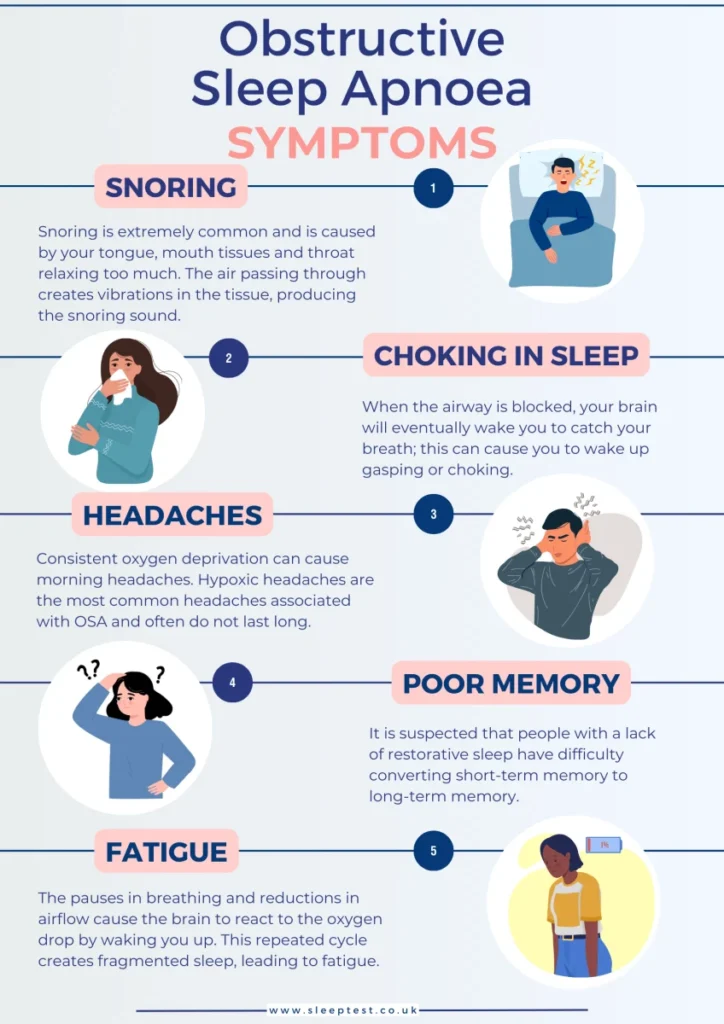
Important: not all snoring equals sleep apnea. But some snoring is tied to obstructed breathing that can affect sleep quality and, over time, overall health. If you’re seeing warning signs, don’t “DIY” your way past them.
Red flags that should change your plan
- Gasping, choking, or witnessed breathing pauses
- Morning headaches, dry mouth, or unrefreshing sleep most days
- Strong daytime sleepiness (dozing off at work, while driving, or in meetings)
- High blood pressure concerns or heart risk factors
If those show up, treat the snoring as a symptom worth evaluating, not a nuisance to mute.
How to try fixes at home without wasting a cycle
If you want a budget-first plan, start with changes that cost little, then move to targeted gear. The goal is to learn what actually changes your snoring—not to collect gadgets.
Step 1: Run a 7-night “snore audit”
Keep it basic. Track three things: sleep position, alcohol late in the evening (yes/no), and nasal congestion (yes/no). If you share a room, ask your partner for a simple 1–5 snore rating. If not, use a recording app.
This isn’t about perfection. It’s about spotting patterns you can act on.
Step 2: Fix the easy airflow blockers
- Side-sleeping: Often reduces snoring for position-driven cases.
- Nasal support: Saline rinse or nasal strips can help if your nose is the bottleneck.
- Timing: If alcohol makes snoring worse, move it earlier or skip it on “important sleep” nights.
Step 3: Where an anti-snoring mouthpiece fits
An anti-snoring mouthpiece is designed to improve airflow by influencing jaw or tongue position during sleep. That can reduce the vibration that creates snoring for some people.
Practical tip: choose one change at a time. If you start a new pillow, nasal strips, and a mouthpiece on the same night, you won’t know what helped.
Step 4: Pick a mouthpiece setup that matches your situation
If your snoring seems worse on your back or you wake with a slack jaw, a combo approach can be appealing. One example is an anti snoring mouthpiece, which aims to support a steadier nighttime mouth position.
Keep expectations realistic. Comfort and consistency matter as much as the device itself. If it hurts your jaw or teeth, that’s not “normal adjustment.” That’s a stop-and-rethink moment.
When to stop experimenting and get help
Home testing is fine for simple snoring. It’s not the right lane if symptoms suggest sleep apnea or another sleep disorder.
Talk to a clinician or a sleep specialist if you have breathing pauses, significant daytime sleepiness, or persistent loud snoring despite reasonable changes. Bring your notes from the snore audit. It speeds up the conversation.
FAQ: quick answers before you buy another sleep gadget
Can an anti-snoring mouthpiece improve sleep quality?
It can, if snoring is fragmenting sleep for you or your partner and the mouthpiece reduces the noise and airflow turbulence. Better sleep is the outcome; quieter breathing is the mechanism.
Should I try mouth tape instead of a mouthpiece?
They’re not interchangeable. Mouth taping is a trend that may not be appropriate for people with nasal obstruction or possible sleep apnea. When in doubt, ask a clinician before trying it.
What if my partner says the snoring is “random”?
Random usually means “pattern we haven’t tracked.” Start with the 7-night audit. Travel, stress, alcohol timing, and sleep position often explain the swings.
What’s a reasonable timeline to decide if it’s working?
Give it at least 1–2 weeks, assuming it’s comfortable and you’re using it consistently. If it’s not helping, don’t keep buying upgrades blindly—change the approach.
CTA: get the plain-English explanation first
If you want a straightforward overview before you commit, start here:
How do anti-snoring mouthpieces work?
Medical disclaimer: This article is for general education only and is not medical advice. It does not diagnose, treat, or replace care from a qualified clinician. If you suspect sleep apnea or have severe symptoms (choking/gasping, breathing pauses, significant daytime sleepiness, or heart-related concerns), seek professional evaluation.