
Myth: Snoring is just a harmless noise.
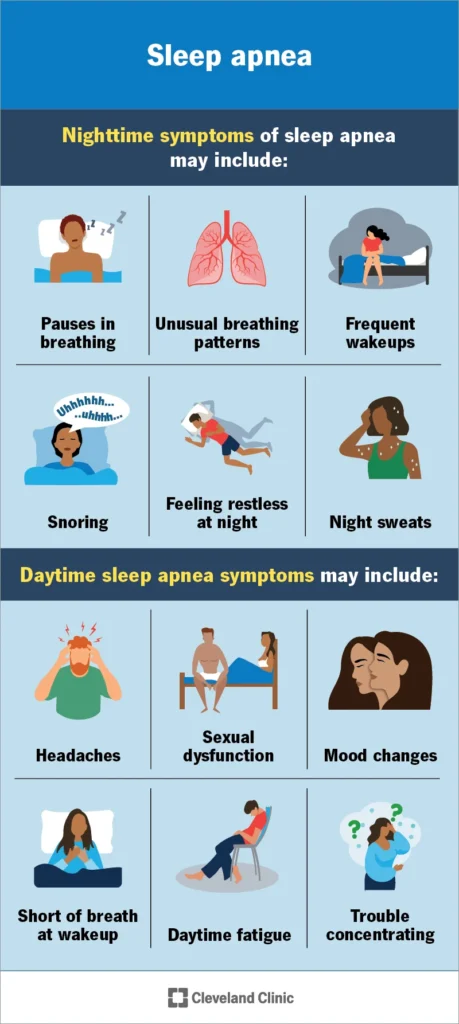
Reality: Snoring can wreck sleep quality for everyone in the room. In some cases, it can also be a sign you should screen for sleep apnea. That’s why the anti snoring mouthpiece conversation keeps trending alongside sleep gadgets, “biohacking” routines, and relationship jokes about who gets the couch.
Is snoring “normal,” or a sign of something bigger?
Occasional snoring happens. Travel fatigue, alcohol, allergies, and sleeping on your back can all make it louder. Winter can add another layer because dry air and congestion can narrow your airway and make nighttime breathing feel harder.
Still, don’t normalize symptoms that point to sleep apnea. If your partner hears pauses in breathing, or you wake up choking or gasping, treat that as a screening moment, not a “try another gadget” moment.
For a general overview of how winter can aggravate breathing issues during sleep, see this related coverage: Why Winter Can Make Sleep Apnea Worse.
Why are anti-snoring mouthpieces everywhere right now?
Because people want a fast, packable fix. That includes frequent flyers dealing with hotel pillows, shift workers trying to recover from burnout, and couples who want sleep peace without turning bedtime into a negotiation.
Mouthpieces are also easy to compare online. You’ll see “best of” lists, reviews, and debates about trends like mouth taping. The problem is that snoring isn’t one-size-fits-all, and some “hacks” ignore basic safety.
What does an anti snoring mouthpiece actually do?
Most anti-snoring mouthpieces aim to keep the airway more open by changing jaw or tongue position during sleep. When soft tissue collapses less, airflow gets smoother. That often means less vibration, which means less snoring noise.
Two quick notes that reduce risk and regret:
- Snoring relief is not the same as treating sleep apnea. A quieter night can still hide a breathing disorder.
- Fit and comfort matter. Poor fit can lead to jaw soreness, tooth discomfort, or people abandoning it after three nights.
Is mouth taping a smart alternative, or a safety problem?
Mouth taping has gone mainstream as a social-media sleep trend. The safety issue is simple: if your nose is blocked, taping can make breathing harder. That’s not a “power through it” situation.
If you’re tempted by mouth taping because you wake up with a dry mouth, step back and look for the cause. Congestion, allergies, reflux, or possible sleep-disordered breathing can all be involved. If you can’t breathe comfortably through your nose while awake, don’t tape at night.
How do I choose a mouthpiece without creating new problems?
Use a screening-first mindset. It protects your health and helps you document choices if you later talk with a dentist or sleep clinician.
Start with “stop signs” (don’t DIY these)
- Choking/gasping at night, or witnessed breathing pauses
- Severe daytime sleepiness, dozing while driving, or morning headaches
- High blood pressure concerns or a strong family history of sleep apnea
If any apply, prioritize evaluation over experimenting.
Then focus on practical fit + hygiene checks
- Comfort: Mild adjustment is normal. Sharp pain isn’t.
- Jaw health: If you have TMJ issues, ask a clinician before using a jaw-advancing device.
- Cleaning routine: Rinse after use, clean as directed, and let it dry fully. A dirty mouthpiece can irritate gums and add odor.
- Tracking: Note bedtime, alcohol, congestion, and sleep position. This shows what actually changes your snoring.
What’s a realistic “try it” plan for better sleep quality?
Keep it simple for two weeks. That’s long enough to see patterns without dragging out a bad setup.
- Week 1: Use the mouthpiece consistently. Keep other variables steady.
- Week 2: Add basic sleep hygiene: consistent wake time, less late caffeine, and side-sleeping if you can.
Measure outcomes that matter: fewer wake-ups, less partner disturbance, and better morning energy. If snoring improves but you still feel exhausted, don’t assume it’s “just stress.” Screen for sleep apnea.
Which product features are people pairing together now?
Many shoppers look for combinations that address multiple causes at once, like mouth positioning plus gentle support to reduce mouth opening. If that’s the direction you’re considering, here’s a relevant option to compare: anti snoring mouthpiece.
FAQs
Can an anti-snoring mouthpiece help if I only snore sometimes?
It can, especially if snoring is position-related or tied to jaw/tongue collapse. Track results for a couple of weeks and reassess.
Is mouth taping a safe snoring fix?
It’s a risky trend for some people, especially if you have nasal congestion, reflux, or possible sleep apnea. If you can’t breathe easily through your nose, skip it and talk with a clinician.
How do I know if snoring might be sleep apnea?
Red flags include choking/gasping, witnessed breathing pauses, loud nightly snoring, morning headaches, and daytime sleepiness. Get screened if these show up.
Do mouthpieces work right away?
Many people notice changes quickly, but comfort and fit can take several nights. Consistent use and proper cleaning matter for results and safety.
What’s the safest way to try a mouthpiece?
Choose a reputable design, follow fitting instructions, keep it clean and dry, and stop if you develop jaw pain, tooth pain, or gum irritation.
Next step
If you want the quick explainer before you buy anything, start here:
How do anti-snoring mouthpieces work?
Medical disclaimer: This article is for general education only and isn’t medical advice. Snoring can be a symptom of sleep apnea or other conditions. If you have choking/gasping, breathing pauses, significant daytime sleepiness, chest pain, or persistent symptoms, seek evaluation from a qualified clinician.