
Myth: Snoring is just a funny noise and only bothers your partner.
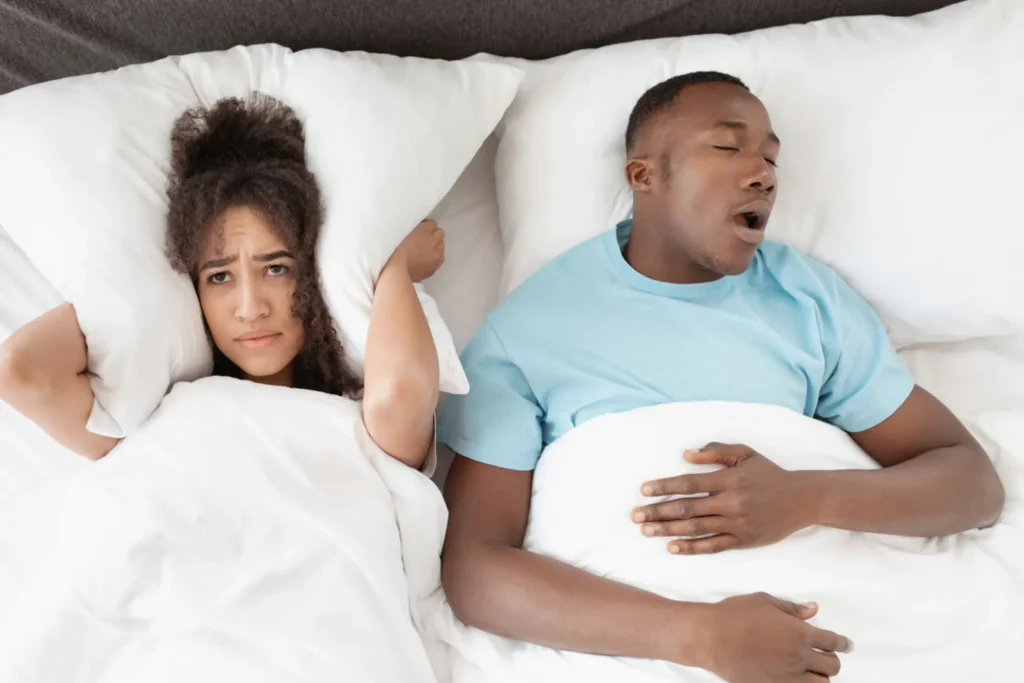
Reality: Snoring often signals fragmented sleep. That can leave you dragging through meetings, craving caffeine, and feeling like your “8 hours” didn’t count.
Sleep is having a moment right now. People are buying sleep trackers, debating mouth tape, and swapping “hotel pillow hacks” after red-eye flights. At the same time, headlines keep reminding us that nighttime habits can matter for long-term health, even in younger adults.
Big picture: why snoring and sleep quality are suddenly everyone’s business
Workplace burnout and always-on screens have made sleep feel like a performance metric. Add travel fatigue, late meals, and stress, and you get a perfect recipe for noisy nights.
Snoring happens when airflow makes soft tissues in the throat vibrate. Sometimes it’s occasional and harmless. Other times, it’s a clue that breathing is being restricted. That’s why the conversation keeps circling back to sleep apnea awareness and better screening.
If you want a quick snapshot of what’s driving the buzz, skim the broader discussion around a Doctor reveals ‘1 mistake at night’ that increases heart attack risk in 20s and 30s even if you are healthy | Health. The takeaway is not panic. It’s that sleep choices add up.
Emotional reality: snoring isn’t just “a you problem”
Snoring has a social cost. It turns bedtime into negotiations: who gets the good pillow, who sleeps first, and who “accidentally” falls asleep on the couch.
It can also mess with confidence. People avoid trips, dread sharing hotel rooms, or feel embarrassed on partner weekends away. If that’s you, you’re not overreacting. Sleep disruption hits mood, patience, and connection fast.
Practical steps: what to try before you buy every sleep gadget
Step 1: identify your snoring pattern
Keep it simple for one week. Note: back-sleeping, alcohol close to bedtime, congestion, and late heavy meals. If your snoring spikes with one of these, you’ve found a lever.
Step 2: fix the “boring” basics that quietly work
Try side-sleeping support, a consistent sleep window, and a wind-down that doesn’t end with doomscrolling. If you’re stuffed up, address nasal comfort first. A mouthpiece won’t magically override severe congestion.
Step 3: consider an anti snoring mouthpiece when the pattern fits
If your snoring seems position-related (often worse on your back) or your jaw relaxes back at night, an anti snoring mouthpiece may help. Many devices work by gently bringing the lower jaw forward to open the airway and reduce vibration.
People are also talking about how mouthpieces have evolved. Newer designs often aim for better comfort, adjustability, and breathing space. That matters because the best device is the one you can actually sleep in.
If you’re comparing options, start with a clear category page like anti snoring mouthpiece. Look for fit approach, comfort notes, and whether the device is adjustable.
Safety and testing: how to use a mouthpiece without guessing
Do a short “trial plan” instead of a forever commitment
Give it a fair test. Aim for 10–14 nights, unless you have sharp pain. Track two things: partner-reported noise and your own morning symptoms (dry mouth, jaw soreness, headache, grogginess).
Know the red flags that mean “get checked”
Snoring can overlap with sleep apnea. Don’t self-manage if you have loud snoring plus choking/gasping, witnessed pauses in breathing, or significant daytime sleepiness. The same goes for high blood pressure concerns or waking with a pounding heart.
If you have TMJ issues, loose teeth, dental pain, or ongoing jaw clicking, get dental guidance before committing to nightly use.
Set expectations: comfort matters more than intensity
With jaw-advancing devices, more forward isn’t always better. Comfort and consistency usually win. A device you tolerate nightly can outperform a “stronger” setting you abandon after three nights.
FAQ: quick answers people ask in real life
Is snoring always unhealthy?
No. Occasional snoring happens. Persistent, loud snoring paired with poor sleep or breathing symptoms deserves attention.
Will a mouthpiece stop snoring immediately?
Sometimes you’ll notice improvement quickly. For others, it takes a week or two to dial in fit and adapt.
What if I only snore when I’m exhausted or traveling?
That’s common. Travel dries the airway, changes sleep position, and disrupts timing. A mouthpiece may still help, but start with hydration, side-sleeping, and avoiding alcohol close to bed.
CTA: make your next step simple
If snoring is stealing your sleep quality (or your partner’s), you don’t need a drawer full of gadgets. Pick one measurable change, test it, and move on based on results.
How do anti-snoring mouthpieces work?
Medical disclaimer: This article is for general education and is not medical advice. It does not diagnose or treat any condition. If you suspect sleep apnea or have persistent symptoms, talk with a qualified healthcare professional.