
Myth: Snoring is just a punchline, a travel-fatigue quirk, or something you fix with the newest sleep gadget.
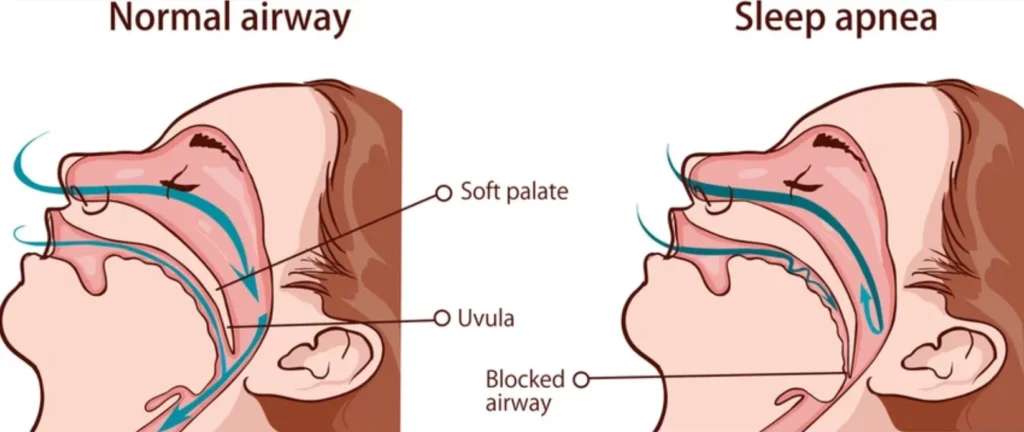
Reality: Snoring can crush sleep quality for two people at once. And in some cases, it can overlap with health concerns that deserve real attention, not just another app notification.
Overview: what people are talking about right now
Sleep “protocols” are trending. You’ve probably seen timing-based routines that promise a cleaner wind-down, fewer late-night scroll sessions, and a better morning. That’s useful. Still, if snoring is the main disruptor, a routine alone may not touch the root cause.
Also in the mix: headlines connecting sleep quality with heart health, plus broader awareness of sleep apnea. The takeaway is simple. Don’t treat persistent, loud snoring as automatically harmless.
If you suspect something more than simple snoring, review Improve Your Sleep Routine With This 10-3-2-1-0 Hack Tonight and talk to a clinician if the signs fit.
Timing: set the stage before you use an anti snoring mouthpiece
Think of timing as the “noise control” for your night. It won’t replace a tool, but it can make that tool easier to tolerate and more consistent to use.
Use a simple wind-down timer you’ll actually follow
Stop treating bedtime like a finish line you crash through. Give yourself a runway. Aim for a predictable shutdown: dim lights, lower stimulation, and avoid the last-minute work sprint that fuels workplace burnout.
Plan for travel fatigue nights
After flights, late dinners, or hotel beds, snoring often feels worse. Pack your basics so you don’t end up improvising at 1 a.m. with a “miracle” gadget ad you saw on your phone.
Supplies: what to have on your nightstand
Keep this tight. You want fewer steps, not a lab setup.
- Your anti snoring mouthpiece (and its case)
- Mirror for quick placement checks
- Water for a rinse and comfort
- Soft toothbrush and mild soap for cleanup
- Optional: nasal strips or saline rinse if congestion is common
If you’re shopping and want a starting point, compare anti snoring mouthpiece with an eye on comfort, fit method, and cleaning requirements.
Step-by-step (ICI): Insert → Comfort → Inspect
This is the practical loop. Do it the same way each night to reduce trial-and-error.
1) Insert: placement first, not force
Start with clean hands and a quick rinse of the device. Insert it gently and let it seat where it’s designed to sit. If you’re clenching or fighting it, stop and reset.
Many mouthpieces work by positioning the jaw and/or stabilizing the airway space. That means small alignment errors can feel big at 2 a.m.
2) Comfort: make it wearable for a full night
Comfort decides compliance. Do a 60-second check before lights out:
- Any sharp pressure points on gums or teeth?
- Does your jaw feel pulled forward too aggressively?
- Can you close your lips without strain?
If you’re new, ease in. Wear it for short periods while winding down, then extend over several nights. That beats quitting after one rough attempt.
3) Inspect: confirm breathing, not just silence
The goal is better sleep quality, not only fewer jokes from your partner. After you put it in, breathe through your nose, then your mouth. You should feel unobstructed.
In the morning, do a quick review: dryness, jaw soreness, or tooth sensitivity. Those clues help you adjust your approach or decide it’s not the right tool.
Mistakes that waste nights (and relationships)
Chasing gadgets instead of fixing fit
Sleep tech is everywhere right now. Trackers, smart rings, white-noise machines. Data can be motivating. It won’t matter if your mouthpiece is uncomfortable and ends up on the nightstand by midnight.
Ignoring red flags
Loud snoring plus choking/gasping, witnessed breathing pauses, or severe daytime sleepiness isn’t a “sleep hack” situation. It’s a medical conversation. Mouthpieces may help some people, but sleep apnea needs proper evaluation.
Using hot water or harsh cleaners
Heat can warp materials. Strong cleaners can irritate your mouth. Stick with gentle cleaning unless the manufacturer instructs otherwise.
Assuming your partner is the only one losing sleep
Relationship humor aside, fragmented sleep affects mood, focus, and stress tolerance. If you feel wired at night and foggy at work, snoring-related disruption may be part of the burnout loop.
FAQ: quick answers
Is an anti snoring mouthpiece the same as a CPAP?
No. CPAP is a medical therapy commonly used for sleep apnea. Mouthpieces are different devices and may or may not be appropriate depending on the cause of snoring.
Should I stop using a mouthpiece if my jaw hurts?
Don’t push through significant pain. Discomfort can happen during adjustment, but ongoing or sharp pain is a reason to stop and consult a dentist or clinician.
Can side sleeping help if I use a mouthpiece?
Often, yes. Many people combine positioning with a mouthpiece for better results. Use pillows or a simple setup that keeps you from rolling onto your back.
CTA: start simple, then get consistent
If snoring is dragging down sleep quality in your home, focus on a repeatable routine: timing + a comfortable tool + basic cleanup. Consistency beats novelty.
How do anti-snoring mouthpieces work?
Medical disclaimer: This article is for general education only and is not medical advice. Snoring can be a sign of sleep apnea or other conditions. If you have breathing pauses, choking/gasping, chest pain, severe daytime sleepiness, or concerns about heart health, seek evaluation from a qualified clinician.