
Myth: Snoring is just “annoying noise.”
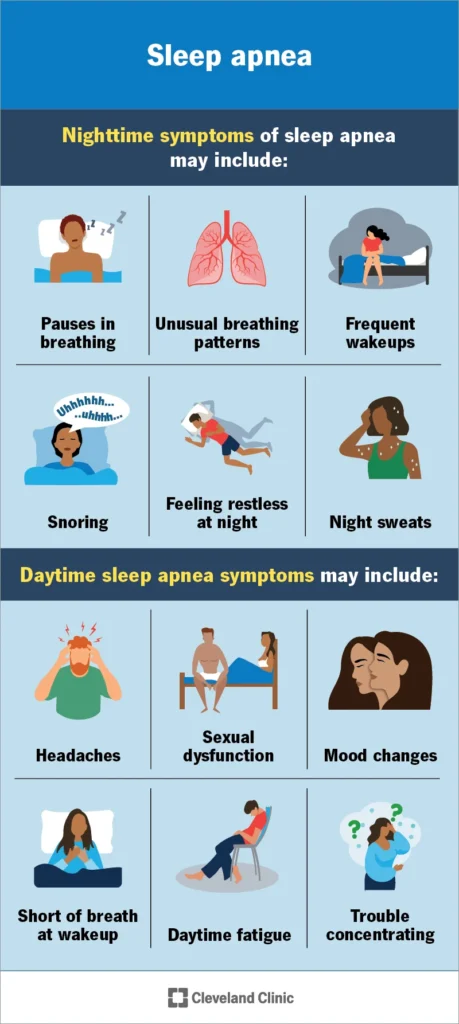
Reality: Snoring often tracks with fragmented sleep, cranky mornings, and that foggy feeling that makes burnout worse. It also turns bedtime into a relationship comedy sketch—until nobody’s laughing.
Right now, sleep is having a moment. People are buying sleep gadgets, tracking scores, and trying to recover from travel fatigue and late-night scrolling. In that mix, the anti snoring mouthpiece keeps coming up because it’s simple: no app, no subscription, just a small device that can change airflow mechanics for some sleepers.
Is snoring “normal,” or a sleep-quality red flag?
Snoring is common, but “common” isn’t the same as “fine.” If your sleep feels shallow, you wake up unrefreshed, or your partner reports pauses in breathing, it’s worth taking seriously.
Health systems and sleep-focused clinics keep emphasizing breathing and airway health as part of the bigger sleep picture. You’ll also see more dental practices talking about airway-aware care and sleep-disordered breathing. If you want a general example of that conversation in the news, see this reference to Creative Smiles Dentistry Advances Airway Dentistry to Address Sleep and Breathing Health in Tucson.
Watch-outs that shouldn’t be ignored: loud snoring most nights, gasping or choking, morning headaches, high daytime sleepiness, or a partner witnessing breathing pauses.
What’s an anti-snoring mouthpiece actually trying to do?
The short version: it aims to improve airflow by changing positioning. Many designs work by gently guiding the lower jaw forward or helping keep the tongue from collapsing back.
Think of it like adjusting a slightly kinked garden hose. You’re not “adding pressure.” You’re trying to reduce the bend so air can move with less vibration.
Common types you’ll hear about
Mandibular advancement (jaw-forward) styles: Designed to bring the lower jaw forward a bit. That can reduce tissue vibration for some people.
Tongue-retaining styles: Designed to keep the tongue from drifting backward.
Combo approaches: Some people like a mouthpiece paired with a chinstrap to encourage closed-mouth breathing and steadier positioning.
What are people comparing it to right now (and why)?
Sleep trends move fast. One week it’s a new wearable. Next week it’s a nasal gadget or a “travel recovery” stack. Mouthpieces stay in the conversation because they’re low-tech and portable.
You’ll see comparisons with nasal dilators, positional strategies, and lifestyle tweaks. Reviews and roundups also keep anti-snoring mouthpieces top-of-mind, especially for people who want a non-pharmaceutical option to try before investing in more complex solutions.
How do I get the fit right without overthinking it?
Fit is the whole game. A great device worn wrong becomes a drawer item.
ICI basics: Insert, Comfort, Improve
Insert: Follow the product instructions for molding or sizing. Seat it fully so it doesn’t rock or pinch.
Comfort: Start with short wear sessions before sleep if needed. A “tight” feeling is a warning sign. Mild awareness is normal early on.
Improve: Adjust gradually. Small changes beat big jumps, especially if your jaw is sensitive.
Positioning cues that usually help
Keep your head and neck neutral. Avoid tucking your chin hard toward your chest. Side-sleeping can also reduce snoring for many people.
If you travel a lot, pack the mouthpiece in a ventilated case. Dry hotel air and odd pillows can make snoring worse, so consistency matters.
What if my mouthpiece feels “off” after a few nights?
Don’t push through real pain. Discomfort that fades as you adapt is one thing. Jaw pain, tooth pain, or headaches that ramp up is another.
Try these practical checks:
- Too much advancement: Back off the setting if the design allows it.
- Uneven seating: Reinsert and make sure it’s centered.
- Dry mouth: Consider whether you’re mouth-breathing or sleeping with your mouth open.
How should I clean an anti-snoring mouthpiece?
Cleanup is the unsexy step that protects comfort and reduces odors.
- Rinse after each use.
- Brush gently with mild soap (unless your instructions say otherwise).
- Air-dry completely before storing.
- Avoid hot water if it can warp the material.
Also: replace it if it cracks, warps, or won’t hold its shape. A damaged fit can undo the benefits.
When is it time to stop DIY and talk to a professional?
If you suspect sleep apnea—or your symptoms are escalating—get evaluated. Mouthpieces may help snoring for some people, but they are not a substitute for diagnosis or treatment when a medical condition is present.
Consider extra support if you have dental work concerns, significant TMJ symptoms, or persistent daytime sleepiness. A clinician can help you match the tool to the problem.
What to try if you want a mouthpiece + positioning combo
If your snoring is worse when your mouth falls open, a combo approach can be appealing. One option people search for is an anti snoring mouthpiece. Keep your expectations realistic and focus on comfort first.
FAQs
Do anti-snoring mouthpieces work for everyone?
No. They can help many people who snore from jaw or tongue positioning, but they won’t fit every mouth or every cause of snoring.
How long does it take to get used to a mouthpiece?
Many people adapt over several nights to a couple of weeks. A gradual wear-in routine often improves comfort.
Is snoring always a sign of sleep apnea?
Not always. Snoring can be harmless, but loud, frequent snoring with choking/gasping, daytime sleepiness, or witnessed pauses needs medical evaluation.
Can I use a mouthpiece if I have TMJ issues?
It depends. Some people need a different design or medical guidance. If jaw pain worsens, stop and ask a dental or medical professional.
What’s the simplest way to clean an anti-snoring mouthpiece?
Rinse after use, brush gently with mild soap, and let it air-dry. Avoid hot water that can warp the material unless the product instructions say it’s safe.
Next step
If you’re tired of guessing, start with a device you can actually wear all night. Comfort, positioning, and consistent cleanup beat “perfect” settings you can’t tolerate.
How do anti-snoring mouthpieces work?
Medical disclaimer: This article is for general education only and is not medical advice. Snoring can have multiple causes. If you have symptoms of sleep apnea (such as breathing pauses, choking/gasping, or significant daytime sleepiness), seek evaluation from a qualified healthcare professional.