
Myth: If you snore, you just need the newest “sleep hack” gadget.
Reality: Snoring is usually a combo problem—airflow, sleep timing, habits, and sometimes anatomy. A good anti snoring mouthpiece can be part of the solution, but it works best when you pair it with a few basics that actually move the needle.
Right now, sleep culture is loud. People are debating mouth taping, buying smart rings, and joking about “relationship sleep divorce” because one person sounds like a lawnmower. Add travel fatigue, late-night scrolling, and workplace burnout, and it’s no surprise snoring feels worse than ever.
Overview: What snoring does to sleep quality (and why it’s trending)
Snoring isn’t just noise. It can fragment sleep for you, your partner, or both. Even when you don’t fully wake up, micro-arousals can leave you feeling unrefreshed.
Also, not all snoring is the same. Some people snore only on their back, some after alcohol, and some almost every night. That difference matters when you decide whether a mouthpiece is worth it.
Timing: When to focus on snoring fixes for the biggest payoff
If you want results without overcomplicating it, focus on timing. Small changes at the right time beat heroic effort at the wrong time.
Start with the “last 2 hours” before bed
This is where most snoring triggers pile up: heavy meals, alcohol, dehydration, and screens. Tightening this window often improves sleep quality fast.
Give yourself a 10-night test window
Don’t judge an anti-snoring plan after one night. Travel stress, a late work deadline, or congestion can skew results. Aim for 10 nights and look for trends: fewer wake-ups, less partner nudging, and better mornings.
Know when timing points to something bigger
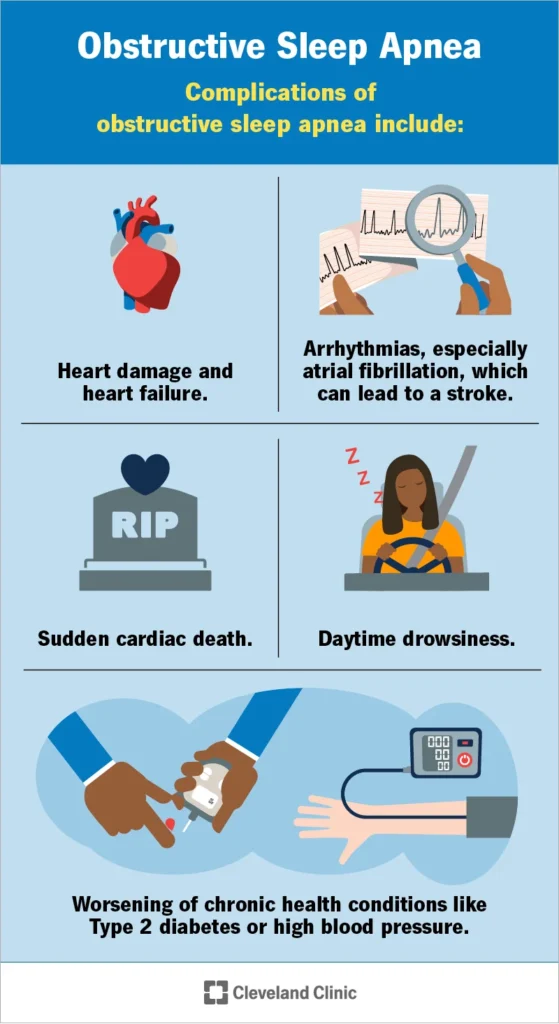
If snoring comes with choking/gasping, morning headaches, or major daytime sleepiness, don’t “optimize” forever. Those patterns can overlap with sleep-disordered breathing, and it’s worth getting checked. You can skim a general explainer via Mayo Clinic’s overview using this search-style link: Forget mouth taping — these 3 things will actually help you stop snoring in 2026.
Supplies: What you actually need (not a drawer of gadgets)
Skip the “sleep tech arms race.” Build a simple kit that supports your airway and your routine.
- Anti-snoring mouthpiece that fits and feels stable.
- Optional chin support if your mouth falls open at night.
- Nasal support basics (saline rinse or strips) if congestion is common.
- A tracking method: phone audio app, wearable, or partner notes. Keep it simple.
If you’re comparing options, look at an anti snoring mouthpiece to cover both jaw position and mouth opening in one setup.
Step-by-step (ICI): Identify → Change → Inspect
This is the no-fluff loop that keeps you from chasing trends.
1) Identify your most likely snoring trigger
Pick the best match for the last two weeks:
- Back-sleeping snorer: worse on your back, better on your side.
- Congestion snorer: seasonal allergies, dry air, frequent stuffiness.
- Stress/burnout snorer: late nights, overthinking, irregular schedule.
- Mouth-breather pattern: dry mouth, sore throat, partner reports open-mouth sleeping.
2) Change one thing first, then add the mouthpiece
For the first 3 nights, adjust one baseline behavior so you can tell what helped:
- Side-sleep support (pillow placement or positional strategy).
- No alcohol in the last 3–4 hours before bed.
- Wind-down that lowers arousal: dim lights, lower stimulation, same bedtime target.
Then add your anti snoring mouthpiece on nights 4–10. This sequencing makes the results clearer.
3) Inspect outcomes with a simple scorecard
Each morning, rate these from 0–2 (0 = no, 2 = yes):
- Partner noticed snoring
- You woke up more than once
- Dry mouth or sore throat
- Morning energy felt decent
If the score improves after adding the mouthpiece, you’ve got signal. If it doesn’t, you may need a different approach or medical screening.
Mistakes: What makes snoring fixes fail
Chasing “viral” hacks instead of airway basics
Trends come and go. Lately, people have argued about taping the mouth shut, but the safer move is addressing why you’re mouth breathing in the first place and choosing tools that don’t feel extreme.
Ignoring mouth breathing and dryness
Waking with a dry mouth can hint that your mouth opens during sleep. That can worsen noise and discomfort. If that’s your pattern, consider a setup that supports closed-mouth breathing rather than forcing it.
Assuming louder snoring always needs a stronger gadget
Snoring volume doesn’t always match risk. Some quiet snorers still sleep poorly, and some loud snorers just have positional issues. Use symptoms, not embarrassment, to guide next steps.
Skipping the “fit and feel” reality check
A mouthpiece that hurts won’t get used. Comfort and consistency beat a perfect plan that sits on the nightstand.
FAQ: Quick answers people are searching for
Is an anti snoring mouthpiece the same as a night guard?
Not necessarily. Night guards mainly protect teeth from grinding. Anti-snoring mouthpieces aim to improve airflow, often by supporting jaw or tongue position.
What if my partner says I still snore with a mouthpiece?
Check sleep position, alcohol timing, and nasal congestion. If snoring persists or you have red-flag symptoms, consider a professional evaluation.
Can workplace stress make snoring worse?
Stress can disrupt sleep timing and increase light sleep. That can make snoring more noticeable and recovery worse the next day.
CTA: Make the next step simple
If you want a practical option that targets common snoring patterns, start with a product designed for both jaw support and mouth opening.
How do anti-snoring mouthpieces work?
Medical disclaimer: This article is for general education and is not medical advice. Snoring can be harmless, but it can also relate to sleep apnea or other conditions. If you have choking/gasping, pauses in breathing, chest pain, severe daytime sleepiness, or persistent symptoms, talk with a licensed clinician.