
Myth: If you snore, you just need a louder fan or a new “viral” sleep gadget.
Reality: Snoring is often about airflow and positioning. Sometimes the simplest fix is mechanical support, not another app or wearable.
Right now, sleep tech is everywhere. People are talking about mouthguards that claim to do it all, dental offices focusing on airway-friendly care, and even new studies testing fresh anti-snoring devices. Mix in travel fatigue, packed calendars, and workplace burnout, and it’s no surprise couples are joking about “sleep divorces” and guest-room retreats.
This guide keeps it practical. You’ll learn where an anti snoring mouthpiece fits into sleep health, when to try it, what you need, and how to use it with fewer headaches.
Overview: What an anti-snoring mouthpiece is (and isn’t)
An anti-snoring mouthpiece is a small oral device worn at night to help reduce snoring by improving airflow. Many designs aim to gently move the lower jaw forward (often called a mandibular advancement device) or help keep the tongue from falling back.
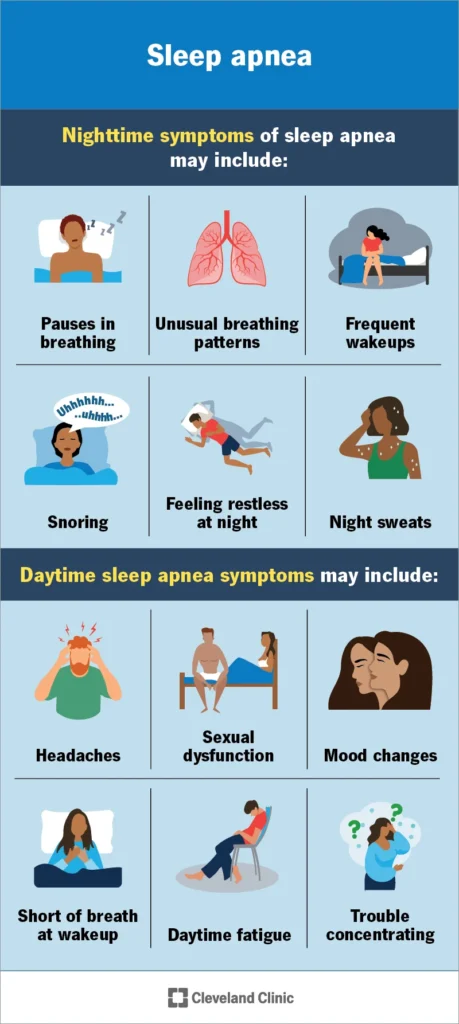
It’s not a guaranteed cure for every snore. Congestion, alcohol, sleep position, and anatomy can all play a role. Also, loud snoring can overlap with sleep apnea, which needs proper medical evaluation.
If you want a general reference on how sleep apnea is discussed in benefits and documentation contexts, see this Bruxism And Sleep Apnea Guard Anti Snoring Seeping Apnea Device Bruxism Mouth Guard Teeth Bruxism Sleeping Apnea Guard Snoring Mouth Guard Snoring Stop Snorin I.747849355 Sleep Apnea Mouth Guard.
Timing: When to try a mouthpiece (and when to pause)
Good times to consider it
- You snore most nights and it’s worse on your back.
- Your partner reports noise but you don’t notice major breathing “events.”
- You’re chasing sleep quality after travel, a schedule change, or a stressful stretch.
- You want a low-tech option compared with constant gadget tracking.
Pause and get checked if you notice red flags
- Choking, gasping, or witnessed breathing pauses.
- Severe daytime sleepiness, morning headaches, or high blood pressure concerns.
- Jaw pain that escalates, tooth pain, or significant bite changes.
Snoring can be “just snoring,” but it can also be a sign you should talk with a clinician. A mouthpiece can still be part of the conversation, but safety comes first.
Supplies: What to have ready before night one
- Your mouthpiece (and any adjustment tool if included).
- A mirror and good lighting for fitting checks.
- A soft toothbrush and mild soap for daily cleaning.
- A ventilated case for drying and storage.
If you’re shopping and want a starting point, browse anti snoring mouthpiece and compare comfort features, adjustability, and cleaning needs.
Step-by-step (ICI): Insert, Comfort-check, Improve, and clean
Use this ICI routine for a calmer learning curve. It’s built for real life, including the “I have an early meeting” nights.
1) Insert
Wash your hands. Rinse the device with cool or lukewarm water. Then place it in your mouth according to the product instructions. It should feel secure, not forced.
If your device is adjustable, start conservative. More advancement is not automatically better.
2) Comfort-check
Close your lips and breathe through your nose for a few slow breaths. Check for sharp edges, pinching, or pressure points.
Do a quick “swallow test.” Mild weirdness is normal at first. Pain is not.
3) Improve positioning (over several nights)
Track two simple signals: (1) snoring feedback from a partner or an audio app, and (2) how your jaw feels in the morning. Adjust gradually if your device allows it.
Pair the mouthpiece with easy wins. Side sleeping and reducing late alcohol often help. So does managing nasal blockage before bed.
4) Clean up and reset
In the morning, rinse the mouthpiece. Gently brush it with mild soap, then rinse again. Let it air-dry completely before storing.
Avoid boiling water and harsh cleaners unless the manufacturer specifically recommends them. Warping can ruin the fit fast.
Mistakes that sabotage results (and how to avoid them)
Cranking adjustments too quickly
People get impatient, especially after a rough travel week. Jumping to maximum settings can trigger jaw soreness and make you quit. Move in small steps.
Ignoring bite or jaw symptoms
Some morning tightness can happen early on. Ongoing pain, clicking, or a bite that feels “off” deserves a pause and a professional opinion.
Trying to out-gadget the problem
A ring, a mat, and a sleep score won’t fix a blocked airway. Use tracking for awareness, not as a substitute for addressing positioning and breathing.
Skipping cleaning (then blaming the device)
Build a 60-second routine. A dirty mouthpiece can smell bad, feel rough, and become the reason you stop using it.
Missing the bigger sleep-health picture
Snoring is one piece. If you’re dealing with burnout, late-night screens, or inconsistent sleep timing, you may still feel tired even if the room gets quieter.
FAQ: Quick answers people ask right now
Is snoring always a problem?
Not always, but it can harm sleep quality for you and anyone nearby. It can also signal a breathing issue worth checking.
What if my partner says the mouthpiece helps, but I feel groggy?
Grogginess can come from short sleep, stress, alcohol, or possible sleep apnea. If it persists, consider a medical evaluation rather than only tweaking the device.
Can I use an anti-snoring mouthpiece with nasal congestion?
Sometimes, but congestion may limit benefits. Many people do better when they address nasal breathing first.
CTA: Make the next night easier
If you want a straightforward starting point, focus on comfort, gradual positioning, and consistent cleanup. Those basics beat “panic-buying” another trending sleep gadget.
How do anti-snoring mouthpieces work?
Medical disclaimer: This article is for general information only and is not medical advice. Snoring can be a symptom of obstructive sleep apnea or other conditions. If you have choking/gasping, breathing pauses, severe daytime sleepiness, or worsening symptoms, consult a qualified clinician or dentist experienced in sleep-related breathing issues.