
Myth: Snoring is just a punchline—an annoying “sleep noise” you live with.
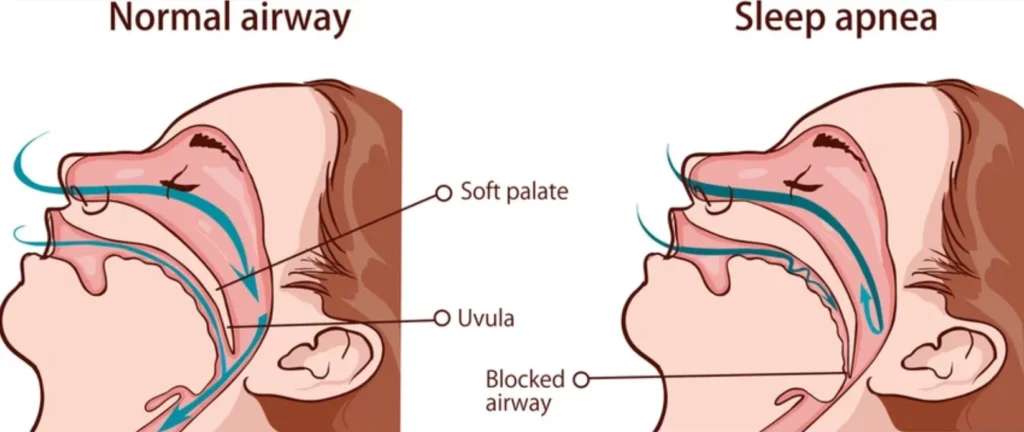
Reality: Snoring can wreck sleep quality for two people at once. It also shows up right when you’re already running on fumes from travel fatigue, late-night scrolling, or workplace burnout.
Sleep content is everywhere right now: “smart” gadgets, new pillows, wearable trackers, and endless sleep-hygiene lists. That’s helpful, but it can also turn bedtime into a shopping cart. If you want a practical, budget-friendly path, start with the basics and only add tools that match your snoring pattern.
Is snoring really hurting sleep quality—or just annoying?
Both can be true. Even “harmless” snoring can fragment sleep by triggering micro-wakeups, lighter sleep stages, or a partner’s elbow-to-the-ribs alarm system.
If you wake up unrefreshed, need extra caffeine, or your partner reports loud, frequent snoring, treat it as a sleep-quality problem. If you also notice choking/gasping, pauses in breathing, or intense daytime sleepiness, don’t DIY your way past that. Talk with a clinician.
Why are people suddenly obsessed with sleep hygiene and gadgets?
Because everyone’s tired, and “fix your sleep” is the new “drink more water.” Campus health posts, tech-site roundups, and expert interviews keep repeating the same theme: consistent schedules, a calmer wind-down, and fewer sleep disruptors.
Those habits are low-cost and high-upside. They also pair well with targeted anti-snoring tools, instead of replacing them.
Quick home checklist (no fancy gear)
- Set a realistic lights-out time you can repeat most nights.
- Cut the late-night stimulation: heavy meals, alcohol close to bed, and doomscrolling.
- Try side-sleeping if you snore more on your back.
- Address nasal stuffiness (dry air, allergies) with simple comfort measures.
If you want a deeper read on mainstream advice, here’s a relevant roundup: Snooze smarter with these Campus Health sleep hygiene tips.
When does an anti snoring mouthpiece make sense?
An anti snoring mouthpiece is often worth considering when your snoring seems tied to mouth-breathing, jaw position, or the tongue relaxing backward during sleep. It’s also a practical option if you’ve already tried “free” changes (schedule, side-sleeping, nasal comfort) and still sound like a leaf blower.
People like mouthpieces because they’re a one-step add-on: no app, no charging, no subscription. That simplicity matters when you’re already managing stress, travel schedules, or a partner who’s threatening to move to the couch “just for one night.”
What mouthpieces can (and can’t) do
- Can: reduce snoring volume/frequency for some sleepers by improving airway positioning.
- Can: support better sleep continuity when snoring is the main disruptor.
- Can’t: guarantee results for every cause of snoring.
- Can’t: replace medical evaluation if you have red-flag symptoms of sleep apnea.
How do you choose without wasting a pay cycle?
Skip the impulse buys and match the tool to the problem. Pillows, chin straps, and mouthpieces can all help certain people, but they solve different bottlenecks.
A simple decision path
- If snoring is mostly positional (worse on your back): start with side-sleep strategies and pillow support.
- If your mouth falls open and you wake with a dry mouth: consider options that support closed-mouth breathing, but don’t assume that alone fixes airway collapse.
- If jaw/tongue position seems involved (classic loud snore, partner reports it improves when you shift): a mouthpiece may be a good next step.
If you’re comparing options, you can review anti snoring mouthpiece to see what’s available and what each style is designed to do.
What should you expect the first week?
Plan for a short adjustment period. The goal isn’t perfection on night one. It’s steady improvement without creating new sleep problems.
Common early hurdles
- Extra saliva or dryness (usually temporary).
- Minor jaw or tooth soreness if the fit is off or you clamp down.
- Middle-of-the-night removal if you’re not used to wearing anything.
If discomfort is significant or persists, stop and consider professional guidance—especially if you have dental issues, jaw pain, or a history of TMJ problems.
Is this about relationships, burnout, or health?
Yes. Snoring is one of those “small” things that becomes big when life is busy. It can turn travel recovery into a longer slog. It can also make two exhausted people less patient the next day.
Better sleep isn’t a luxury trend. It’s a performance, mood, and health lever. A mouthpiece is just one tool, but it’s a practical one when it matches the cause.
Medical disclaimer (read this)
This article is for general education and isn’t medical advice. Snoring can sometimes be a sign of obstructive sleep apnea or other health conditions. If you have choking/gasping during sleep, witnessed breathing pauses, significant daytime sleepiness, morning headaches, chest pain, or high blood pressure concerns, seek evaluation from a qualified clinician.
CTA: Start simple, then add the right tool
If you want a low-drama next step that doesn’t require new tech habits, a mouthpiece may be worth exploring.