
Myth: Snoring is just a funny relationship quirk—and if your partner complains, they should buy better earplugs.
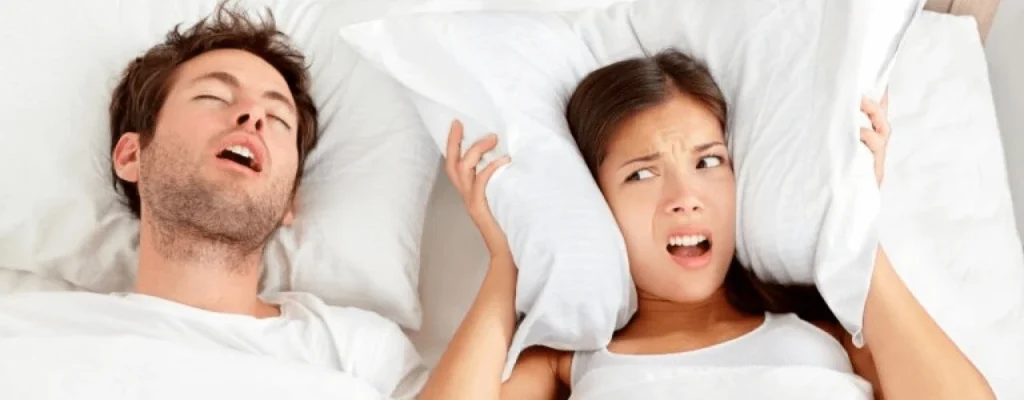
Reality: Snoring can wreck sleep quality for two people at once. And lately, it’s showing up in the same conversations as sleep gadgets, burnout, and “why am I still tired after eight hours?”
This guide keeps it practical. If you’re considering an anti snoring mouthpiece, here’s how people are approaching it right now—without wasting a cycle on hype.
Overview: Why snoring feels like a bigger deal lately
Sleep has become a mini-industry. People compare wearables, track “sleep scores,” and swap tips like they’re optimizing a budget. At the same time, travel fatigue is back in the chat. So is workplace burnout. When you’re already running on fumes, a nightly snore can feel like a personal attack.
Recent coverage has also highlighted how anti-snore devices are being evaluated and discussed by experts, and how dental professionals may be involved when snoring overlaps with airway issues. If you want a general starting point on the dentist-led side of the conversation, see Europe Anti-snoring Device Market Size and Forecast 2025–2033.
Timing: When it makes sense to try a mouthpiece (and when to pause)
Good time to consider an anti-snoring mouthpiece
- You snore more on your back or after a late meal or alcohol.
- Your partner reports noise, but you don’t have scary symptoms.
- You want a budget-friendly trial before booking appointments.
Pause and get medical guidance first
- Choking/gasping during sleep, or witnessed breathing pauses.
- Severe daytime sleepiness, morning headaches, or high blood pressure concerns.
- Jaw pain, significant dental issues, or loose dental work.
A mouthpiece can be a smart experiment. It’s not a substitute for evaluation if sleep apnea is a possibility.
Supplies: What you’ll want before night one
- Your device plan: mouthpiece alone, or mouthpiece plus supportive gear.
- Cleaning basics: a case, mild soap, and a soft brush (avoid harsh cleaners unless the product says they’re safe).
- Simple tracking: notes on bedtime, wake-ups, partner feedback, and how you feel at 2 p.m.
If you’re comparing options, some people look at combo setups for a more “belt-and-suspenders” approach. Example: anti snoring mouthpiece.
Step-by-step (ICI): Implement → Check → Improve
I — Implement (set it up like a low-drama trial)
- Pick a test window: 10–14 nights beats one random Tuesday.
- Follow fit instructions exactly: especially for moldable designs.
- Start on an “easy night”: not after a red-eye flight or a late work deadline.
C — Check (look for real-world signals, not perfect data)
- Noise feedback: ask your partner for a simple 1–5 rating.
- Sleep continuity: fewer wake-ups matters more than a flashy sleep score.
- Comfort: minor soreness can happen early; sharp pain is a stop sign.
I — Improve (small tweaks that often matter)
- Side-sleep support: a body pillow can reduce back-sleeping.
- Wind-down routine: 20 minutes without doom-scrolling helps many people fall asleep faster.
- Travel reset: after long trips, prioritize hydration and consistent bed/wake times for a few days.
Think of this like tuning a radio. The goal is “clear enough to sleep,” not perfection.
Mistakes that waste money (and patience)
1) Expecting instant silence on night one
Many people need an adjustment period. Your mouth and jaw are learning a new normal.
2) Ignoring fit and comfort issues
A poor fit can lead to drooling, gum irritation, or jaw discomfort. If it feels wrong, don’t force it.
3) Treating snoring as only a “noise problem”
Snoring can be tied to sleep quality and daytime function. If you’re dragging through meetings or relying on extra caffeine, take that seriously.
4) Over-buying sleep gadgets instead of fixing basics
It’s easy to collect devices. Basics still matter: consistent schedule, a cool dark room, and a plan for stress.
FAQ
Do anti-snoring mouthpieces help sleep quality?
They can, if snoring is causing micro-awakenings or waking a partner. Better sleep often shows up as fewer wake-ups and better daytime energy.
What if my partner says I stopped snoring but I still feel tired?
Snoring isn’t the only cause of poor sleep. Consider sleep habits, stress, travel fatigue, and medical causes. If symptoms are strong, talk with a clinician.
Can I use a mouthpiece if I grind my teeth?
Some people do, but grinding changes the comfort and wear pattern. If you have significant bruxism or jaw pain, get professional input.
CTA: Your next step (simple and practical)
If your goal is quieter nights without turning sleep into a second job, start with a short trial and track the basics. Then decide based on comfort and results.
How do anti-snoring mouthpieces work?
Medical disclaimer: This article is for general education only and is not medical advice. Snoring can be associated with sleep apnea and other conditions. If you have choking/gasping, breathing pauses, significant daytime sleepiness, chest pain, or persistent symptoms, seek care from a qualified clinician or dentist trained in sleep-related breathing disorders.