
Myth: Snoring is just noise.
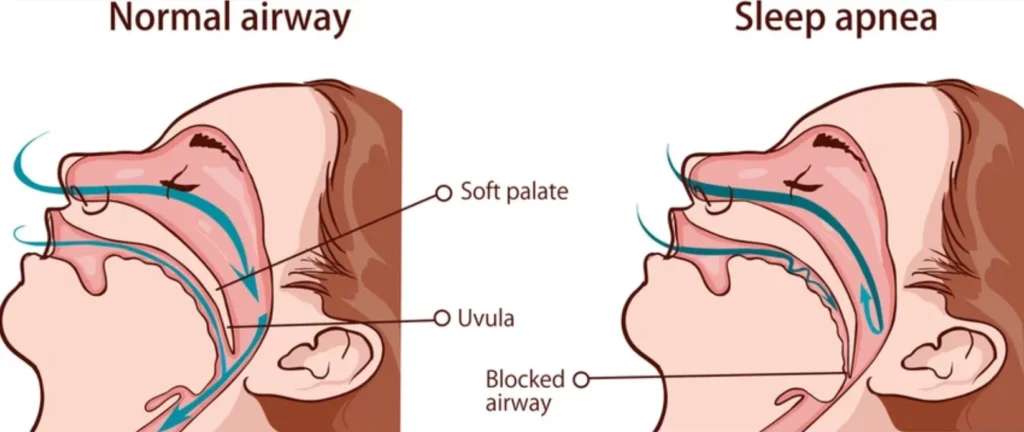
Reality: Snoring often tracks with sleep quality—for you and anyone within earshot. It can also overlap with sleep apnea symptoms, which deserve real attention.
Right now, snoring is having a moment. Sleep gadgets keep going viral, “connected care” features show up in health news, and everyone is trying to recover from travel fatigue, late-night scrolling, and workplace burnout. Add relationship humor (“you sound like a leaf blower”) and you’ve got a nightly problem that feels oddly public.
This guide keeps it simple: when an anti snoring mouthpiece makes sense, what to do first, and how to get more comfortable fast.
Start here: what snoring is (and what it isn’t)
Snoring usually happens when airflow gets turbulent as tissues in the throat relax during sleep. That’s common. It’s also why sleep position, alcohol, congestion, and jaw posture can change the volume from “purr” to “power tool.”
Snoring is not a diagnosis. Sleep apnea is a medical condition. If you suspect it, get evaluated. Many mainstream medical resources list classic red flags like loud snoring plus choking/gasping, witnessed pauses in breathing, and daytime sleepiness.
If you’re also working on overall health goals, you’ve probably seen headlines about weight management and sleep apnea. That topic comes up often because body weight can influence airway anatomy and breathing during sleep. Keep it general, keep it supportive, and involve a clinician if apnea is on the table.
Decision guide: If…then… what to try next
If your snoring is mostly positional (worse on your back), then…
Try a two-part plan: positioning + a mouthpiece.
- Positioning: Side-sleeping tends to reduce airway collapse for many people. A body pillow can help you stay put.
- Mouthpiece: Many anti-snoring mouthpieces aim to improve airflow by guiding jaw/tongue position.
This combo is popular for a reason: it’s low-tech, travel-friendly, and it doesn’t require charging a device on your nightstand.
If you wake up with dry mouth or mouth-breathing, then…
Think “seal and support.” Mouth-breathing can amplify snoring and leave you feeling rough in the morning.
- Address nasal stuffiness when appropriate (seasonal congestion is a common culprit).
- Consider a mouthpiece setup that also supports mouth closure for some sleepers.
For a product option that pairs these ideas, you can look at this anti snoring mouthpiece.
If your partner says the snoring is “new” or “getting worse,” then…
Do a quick change log for one week. New snoring can track with stress, alcohol timing, sleep deprivation, or travel fatigue. Those are everywhere in wellness conversations right now.
- Did bedtime shift later?
- More evening drinks or heavier dinners?
- New meds or allergies?
If the pattern persists, don’t treat it like a joke. Use the data to guide next steps, including screening for sleep apnea when appropriate.
If you’re curious about “connected” oral appliances, then…
Keep expectations realistic. There’s growing interest in oral appliances that fit into broader sleep care and monitoring. That doesn’t mean every snorer needs a high-tech setup. For many people, comfort, fit, and consistency still matter most.
If you want to read about the broader conversation around weight and sleep breathing issues, here’s a relevant news reference: How Weight Loss Can Help Your Sleep Apnea.
Technique matters: ICI basics (it’s not just “wear it”)
Most people quit mouthpieces because of comfort issues, not because the idea is wrong. Use these ICI basics to improve your odds.
1) Insert: aim for a stable, centered fit
The goal is a snug fit that doesn’t pinch. If it feels crooked or bulky, you’ll fight it all night. Take a moment to seat it evenly before you lie down.
2) Comfort: start small, then build
Give your mouth time to adapt. Wear it for short periods before sleep if you need to. Soreness that ramps up night after night is a signal to reassess fit or type.
3) Improve positioning: pair with sleep habits that help airflow
- Side-sleeping support (pillow strategy)
- Earlier wind-down to reduce “overtired” snoring nights
- Limit alcohol close to bedtime if you notice it worsens snoring
This is where the current sleep-health trend talk gets it right: the tool helps most when the routine supports it.
Cleanup and care: fast routine, fewer gross surprises
Keep it simple and consistent.
- Rinse after each use.
- Brush gently with mild soap.
- Air-dry fully before storing.
Skip boiling water and harsh chemicals unless the manufacturer specifically allows it. Heat can warp materials, and strong cleaners can irritate your mouth.
When snoring might be more than snoring
Some headlines lately have compared different types of sleep apnea and discussed symptoms and causes. That’s a useful reminder: not all breathing-related sleep issues look the same.
Consider a clinician evaluation if you notice loud snoring plus gasping, witnessed pauses in breathing, morning headaches, high daytime sleepiness, or blood pressure concerns. An anti-snoring product can be helpful for simple snoring, but it’s not a substitute for medical care when red flags show up.
FAQ (quick answers)
Can an anti snoring mouthpiece stop snoring right away?
Sometimes, yes. Many people need a short adjustment period for comfort and fit.
Is snoring always a sign of sleep apnea?
No. But persistent loud snoring with symptoms deserves screening.
Do mouthpieces work if I sleep on my back?
They can. Results often improve when you also reduce back-sleeping.
How do I clean a mouthpiece?
Rinse, gently brush with mild soap, and air-dry. Avoid heat and harsh cleaners.
CTA: pick the next right step
If you want a practical, travel-friendly option to test alongside better positioning and a tighter bedtime routine, start with a mouthpiece approach that prioritizes comfort and stability.
How do anti-snoring mouthpieces work?
Medical disclaimer: This article is for general education only and isn’t medical advice. Snoring can be harmless, but it can also relate to sleep apnea or other health conditions. If you have symptoms like choking/gasping, pauses in breathing, chest pain, or severe daytime sleepiness, talk with a qualified clinician for evaluation and personalized care.