
Myth: The newest sleep hack is automatically the safest fix for snoring.
Reality: Trendy ideas can be noisy online and complicated in real life. Your airway, your teeth, and your health history matter.
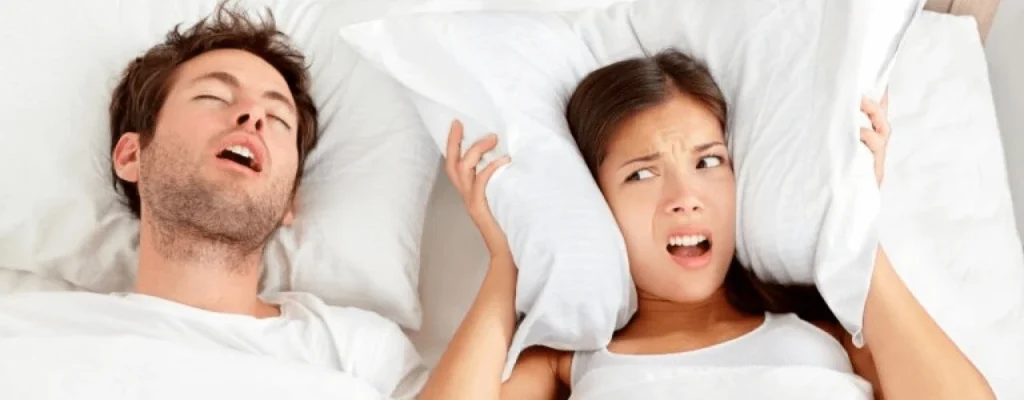
Snoring is having a cultural moment again. You’ll see sleep gadgets everywhere, from travel “recovery kits” to wearable trackers. You’ll also see relationship jokes about “separate bedrooms” and workplace burnout content telling people to stop working late. Under the humor is a real point: sleep quality affects mood, focus, and patience.
What’s trending right now (and why it’s tempting)
People want quick wins. That’s why hacks like mouth taping pop up in feeds, along with “sleepmaxxing” routines and new gear. After a long workday, a red-eye flight, or a week of stress, it’s easy to reach for the simplest-looking solution.
Mouth tape, wearables, and the “one weird trick” problem
Mouth tape gets attention because it looks straightforward: close the mouth, snore less. But snoring has multiple causes, and not all of them are safe to DIY. If you can’t breathe well through your nose, taping can backfire fast.
Wearables can help you notice patterns, like worse sleep after late-night work or alcohol. Still, they can’t diagnose a breathing disorder. Use them for trend-spotting, not self-labeling.
What matters medically (without the panic)
Snoring is common, and sometimes it’s just snoring. Other times, it can be a clue that breathing is partially blocked during sleep. That’s where screening matters.
Snoring vs. possible sleep apnea: a quick reality check
Consider a medical conversation if snoring comes with any of these: choking or gasping during sleep, strong daytime sleepiness, morning headaches, or concentration changes. Partners often notice the breathing pauses first. If you’re unsure, treat that uncertainty as a reason to ask, not a reason to guess.
Why safety is part of sleep health
Snoring fixes can involve your airway and your bite. That means there are real downsides if you choose the wrong approach or force a fit. Jaw soreness, tooth pressure, and gum irritation are common “too much, too fast” signals.
Also think about hygiene. Any device that sits in your mouth needs consistent cleaning and dry storage. That reduces infection risk and keeps the material in better shape.
How to try safer options at home (a practical guide)
If your snoring seems mild and you don’t have red flags, start with the basics. These steps don’t require special gear, and they help you document what actually changes your sleep.
Step 1: Run a 7-night “snore audit”
Keep it simple. Track bedtime, wake time, alcohol, late meals, congestion, and whether you woke up with a dry mouth. If you share a room, ask for a 1–10 “snore score.” You want patterns, not perfection.
Step 2: Clean up the two hours before bed
Recent sleep advice trends keep coming back to the same idea: stop working close to bedtime. Give yourself a buffer. Dim lights, reduce stressful tasks, and avoid doom-scrolling that spikes alertness.
Step 3: Try positioning and nasal support first
Back sleeping often makes snoring worse for some people. Side sleeping can help. If you’re congested, focus on safe ways to improve nasal breathing, like a shower, saline rinse, or a clinician-approved approach if you have chronic issues.
Step 4: Where an anti snoring mouthpiece fits
An anti snoring mouthpiece is designed to reduce snoring by supporting a more open airway during sleep. Many mouthpieces do this by gently repositioning the lower jaw forward. Some people pair that with a chin strap to discourage mouth opening.
If you’re considering a product, look for clear fitting instructions, cleaning guidance, and a reasonable adjustment plan. Avoid forcing a device that hurts. Discomfort is feedback, not a challenge.
If you want a combined option to explore, see this anti snoring mouthpiece.
Step 5: Reduce risk by documenting your choice
Write down what you tried, when you tried it, and what changed. Keep the packaging or product info. If you later talk with a dentist or sleep clinician, that record saves time and reduces confusion.
When to seek help (don’t white-knuckle it)
Get professional input if snoring is loud and persistent, if you have the warning signs mentioned earlier, or if you’re waking up unrefreshed despite enough time in bed. The same goes for jaw pain, tooth shifting feelings, or repeated device failures.
Situations that deserve faster screening
- Witnessed breathing pauses, choking, or gasping at night
- High daytime sleepiness or drowsy driving risk
- Morning headaches, dry mouth, or sore throat most days
- High blood pressure or cardiometabolic concerns (ask your clinician how sleep fits in)
If you’re curious about the safety conversation around mouth taping that’s been in the news, read this context here: Taping your mouth shut to stop snoring is a thing — but is it safe? Experts weigh in.
FAQ: quick answers people want before they buy
Is it normal to snore more when traveling?
Yes. Travel fatigue, dry hotel air, alcohol, and sleeping on your back can all make snoring more likely. Treat travel as a separate category in your snore audit.
Will a mouthpiece fix snoring caused by congestion?
It may not. If the issue is blocked nasal breathing, address that first. A mouthpiece can help some people, but it won’t “open” a congested nose.
What if my partner is the one snoring?
Keep it light, but be direct. Share specific observations (volume, pauses, gasping) and suggest a screening if red flags show up. Teamwork beats resentment.
CTA: pick a safer next step
Snoring solutions work best when you match the tool to the cause. Start with low-risk habits, screen for red flags, and choose devices that respect your airway and your jaw.
How do anti-snoring mouthpieces work?
Medical disclaimer: This article is for general education and is not medical advice. It does not diagnose or treat any condition. If you suspect sleep apnea or have persistent symptoms, talk with a qualified clinician or dentist trained in sleep medicine.