
Blog Post Title: Nasal Decongestants and Antihistamines: How to Keep Your Passages Clear and Reduce Snoring
Summary:
Nasal congestion is a common problem that can lead to discomfort, difficulty breathing, and even snoring. However, there are effective ways to combat nasal congestion and keep your passages clear. Two common solutions are nasal decongestants and antihistamines. In this blog post, we will dive into the details of these medications, their benefits, and how they can help reduce snoring.
First, let’s understand what causes nasal congestion. It occurs when the blood vessels in the nasal passages become inflamed, leading to swelling and blockage. This can happen due to allergies, colds, sinus infections, and environmental irritants. When the nasal passages are blocked, it becomes challenging to breathe through the nose, leading to mouth breathing and snoring. That’s where nasal decongestants and antihistamines come in.
Nasal decongestants work by narrowing the blood vessels in the nasal passages, reducing swelling and allowing air to pass through more easily. They come in various forms, such as nasal sprays, drops, and pills. The most commonly used nasal decongestants are oxymetazoline, phenylephrine, and pseudoephedrine. They are available over-the-counter and can provide quick relief from nasal congestion.
Antihistamines, on the other hand, work by blocking the effects of histamine, a chemical released by the body in response to an allergen. Histamine is responsible for causing inflammation and swelling in the nasal passages, leading to congestion. Antihistamines can be taken orally or as a nasal spray and are available over-the-counter or by prescription. Some popular antihistamines include cetirizine, loratadine, and fexofenadine.
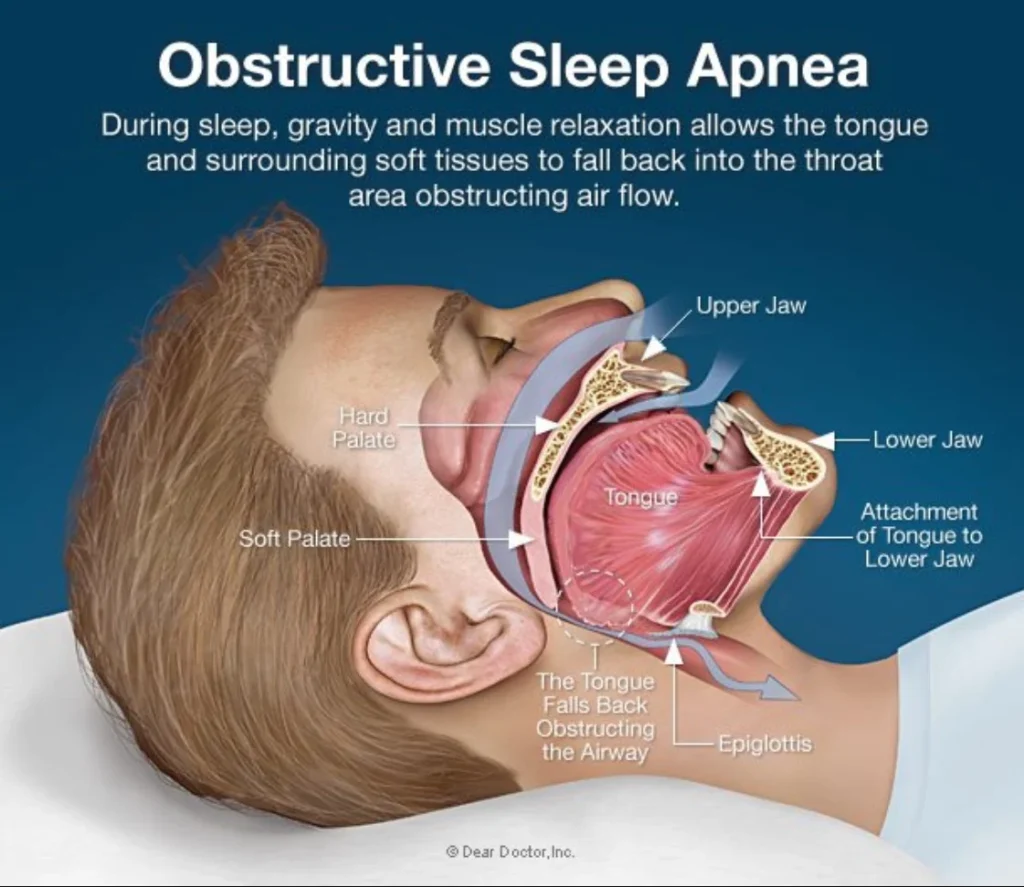
Nasal Decongestants and Antihistamines: How to Keep Your Passages Clear and Reduce Snoring
Both nasal decongestants and antihistamines can provide relief from nasal congestion, but they work in different ways. Nasal decongestants are more effective for short-term relief, while antihistamines are better for long-term management of allergies. It is essential to understand your specific needs and consult with a doctor before taking any medication.
One common concern with nasal decongestants is the risk of rebound congestion. This happens when the medication’s effect wears off, and the blood vessels in the nasal passages become even more swollen. To avoid this, it is crucial to use nasal decongestants as directed and for a maximum of three days. Long-term use of nasal decongestants can also lead to side effects such as increased heart rate, elevated blood pressure, and difficulty sleeping.
Antihistamines, on the other hand, can cause drowsiness, dry mouth, and dizziness. It is essential to read the label and understand the potential side effects before taking any medication. If you experience any adverse effects, it is best to consult with a doctor and switch to a different medication.
In addition to medication, there are other ways to keep your nasal passages clear and reduce snoring. One effective method is nasal irrigation, commonly known as a neti pot. It involves flushing out the nasal passages with a saline solution, which can help remove mucus and irritants, providing relief from congestion. Humidifiers can also be beneficial in keeping the air moist and reducing nasal irritation.
It is essential to note that nasal decongestants and antihistamines are not a permanent solution for nasal congestion and snoring. If you experience persistent nasal congestion and snoring, it is best to consult with a doctor to identify the underlying cause. They may recommend allergy testing, prescribe a different medication, or suggest other treatment options.
In summary, nasal decongestants and antihistamines are effective solutions for keeping your nasal passages clear and reducing snoring. They work by reducing inflammation and swelling in the nasal passages, providing relief from congestion. However, it is essential to use them as directed and be aware of potential side effects. If you experience persistent congestion and snoring, it is best to consult with a doctor for proper diagnosis and treatment.