
Blog Post:
Sleep apnea is a common sleep disorder that affects millions of people worldwide. It is characterized by pauses in breathing or shallow breathing during sleep, which can lead to a decrease in oxygen levels in the body. This condition can have serious health implications, including high blood pressure, heart disease, and even stroke. Fortunately, there are various treatment options available for sleep apnea, including nasal dilators and CPAP machines. In this blog post, we will explore the differences between these two treatments and help you determine which one may be right for you.
Nasal Dilators:
Nasal dilators are small, flexible devices that are inserted into the nostrils to help keep the airway open during sleep. They work by widening the nasal passages, allowing for easier breathing. Nasal dilators are available in different shapes and sizes, including nasal strips, nasal cones, and nasal clips. They are typically made of soft silicone or plastic material and are designed to be comfortable to wear.
Pros:
– Non-invasive: Nasal dilators are non-invasive, meaning they do not require any surgical procedures or medication to use.
– Easy to use: Nasal dilators are easy to use and can be worn by simply inserting them into the nostrils.
– Portable: Nasal dilators are compact and can easily be carried in a bag or pocket, making them convenient for travel.
– Affordable: Compared to other sleep apnea treatments, nasal dilators are relatively affordable.
– No noise: Unlike CPAP machines, nasal dilators do not produce any noise, making them a good option for light sleepers or those who share a bed with a partner.
Cons:
– Limited effectiveness: Nasal dilators may not be effective for everyone, especially those with severe sleep apnea.
– May cause discomfort: Some people may find nasal dilators uncomfortable to wear, especially if they are not used to having something in their nose.
– Nasal congestion: Nasal dilators may not work well for people with chronic nasal congestion or allergies.
– Regular replacement: Nasal dilators need to be replaced regularly to maintain their effectiveness, which can be costly in the long run.
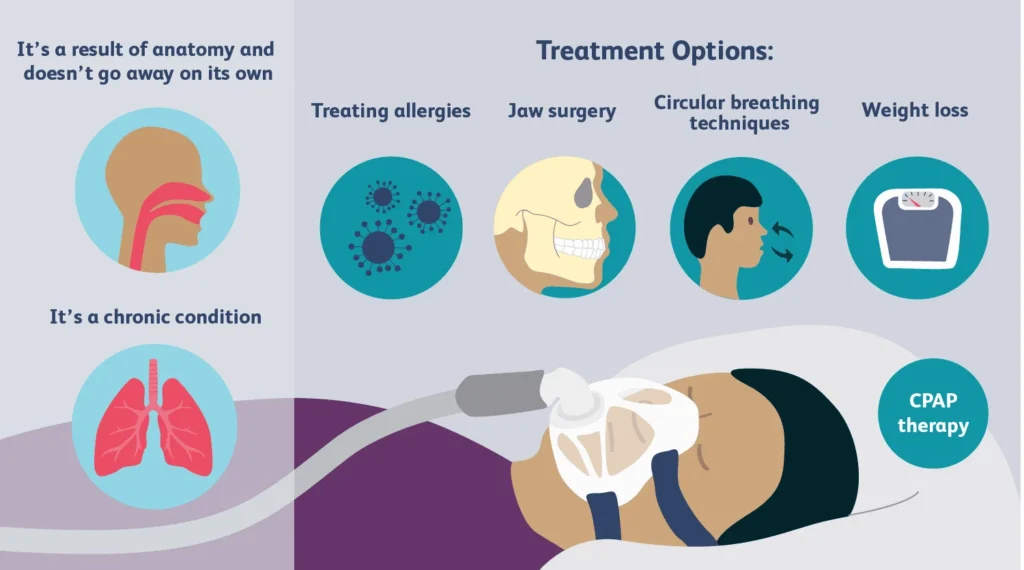
Nasal Dilators vs. CPAP Machines: Which One is Right for You?
CPAP Machines:
CPAP stands for Continuous Positive Airway Pressure and is a machine that delivers a constant flow of air through a mask worn over the nose and mouth. This air pressure keeps the airway open and prevents pauses in breathing. CPAP machines are prescribed by doctors and can be rented or purchased from medical supply companies.
Pros:
– Effective: CPAP machines are considered the most effective treatment for sleep apnea, with a success rate of over 90%.
– Customizable: The pressure setting on a CPAP machine can be adjusted to suit the individual’s needs.
– Can be used for all types of sleep apnea: CPAP machines are suitable for treating all types of sleep apnea, including obstructive, central, and mixed sleep apnea.
– Reduces health risks: By keeping the airway open, CPAP machines can help reduce the risk of serious health conditions associated with sleep apnea.
– Can track progress: Some CPAP machines come with data tracking capabilities, allowing users to monitor their progress and adjust their treatment accordingly.
Cons:
– Bulky and noisy: CPAP machines can be bulky and may make noise, which can be disruptive to sleep.
– May cause discomfort: Some people may find wearing a mask and having air blown into their nose and mouth uncomfortable.
– Requires power source: CPAP machines require a power source to operate, which can be inconvenient for travel.
– Cost: CPAP machines can be expensive, and insurance coverage may not always be available.
Which One is Right for You?
Choosing between nasal dilators and CPAP machines can be a difficult decision. It ultimately depends on the severity of your sleep apnea, personal preferences, and lifestyle. If your sleep apnea is mild to moderate, nasal dilators may be a good option for you. They are easy to use, affordable, and portable. However, if you have severe sleep apnea, CPAP machines may be the best option to effectively treat your condition and reduce the risk of health complications. It is important to consult with your doctor to determine the best treatment option for your specific needs.
In summary, both nasal dilators and CPAP machines can be effective treatments for sleep apnea, but they have their own pros and cons. Nasal dilators are non-invasive, easy to use, and affordable, but may not be suitable for severe cases. CPAP machines are highly effective, customizable, and can track progress, but can be bulky, noisy, and expensive. Ultimately, the decision should be based on consultation with your doctor and considering your personal preferences and lifestyle.