
Nasal Sprays: The Secret Weapon Against Snoring
Snoring is a common problem that affects millions of people worldwide. Not only can it be disruptive to one’s sleep, but it can also lead to serious health issues if left untreated. While there are many remedies and treatments available for snoring, one of the most effective and convenient options is nasal sprays. These simple yet powerful sprays can be the secret weapon against snoring, providing relief and improving overall sleep quality. In this blog post, we will explore the causes of snoring, how nasal sprays work, and the different types of nasal sprays available to combat snoring.
What Causes Snoring?
Before we dive into the benefits of nasal sprays, let’s first understand what causes snoring. Snoring occurs when the airway is partially blocked, causing vibrations in the throat. This can be due to various factors, such as:
1. Obstructed Nasal Passages: When the nasal passages are blocked or congested, it can make breathing difficult, leading to snoring.
2. Enlarged Tonsils or Adenoids: Enlarged tonsils or adenoids can also obstruct the airway and cause snoring.
3. Weight Gain: Excess weight can contribute to snoring as it can put pressure on the airway, making it harder to breathe.
4. Sleep Position: Sleeping on your back can cause the tongue to fall back and block the airway, resulting in snoring.
5. Age: As we age, our muscles lose their tone, including the muscles in the throat, leading to snoring.
How Nasal Sprays Help with Snoring
Nasal sprays are a simple yet effective way to alleviate snoring. They work by reducing inflammation and congestion in the nasal passages, making it easier to breathe through the nose. This helps to keep the airway open and reduce the vibrations in the throat that cause snoring. Nasal sprays can also help with other causes of snoring, such as enlarged tonsils or adenoids, by reducing inflammation in the surrounding tissues. They can also help to reduce nasal congestion caused by allergies or a cold, which can contribute to snoring.
Types of Nasal Sprays for Snoring
There are several types of nasal sprays available to help with snoring. Each works in a slightly different way and may be more suitable for certain individuals based on their specific needs. Let’s take a closer look at these types of nasal sprays:
1. Steroid Nasal Sprays: These sprays contain corticosteroids, which help to reduce inflammation in the nasal passages and can be effective for those with allergies or other causes of congestion.
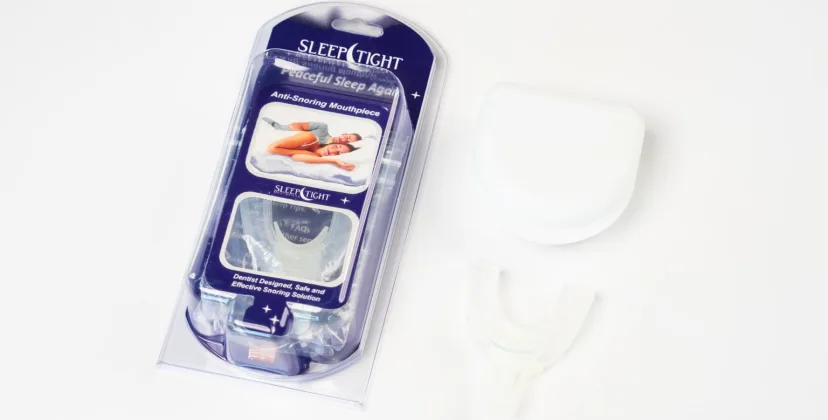
Nasal Sprays: The Secret Weapon Against Snoring
2. Saline Nasal Sprays: Saline sprays are made of a simple saltwater solution that helps to flush out the nasal passages, reducing congestion and making it easier to breathe.
3. Decongestant Nasal Sprays: These sprays work by narrowing the blood vessels in the nasal passages, reducing swelling and congestion. They are effective for short-term relief but should not be used for more than a few days as they can cause rebound congestion.
4. Antihistamine Nasal Sprays: These sprays block the release of histamines, which can cause nasal congestion and allergies. They are effective for those with allergies or a cold that may contribute to snoring.
5. Combination Nasal Sprays: Some nasal sprays contain a combination of ingredients, such as a steroid and a decongestant, to provide both anti-inflammatory and decongestant effects.
Using Nasal Sprays for Snoring
Nasal sprays are easy to use and can be incorporated into your nightly routine. Before using a nasal spray for snoring, it is essential to consult with your doctor to determine the underlying cause of your snoring and find the most suitable type of nasal spray. When using a nasal spray, be sure to follow the instructions provided, including proper dosage and frequency. It may take a few days or weeks to see the full effects of a nasal spray, so be patient and continue using it as directed.
Other Tips for Reducing Snoring
While nasal sprays can be a game-changer for snoring, there are other steps you can take to further reduce snoring and improve overall sleep quality.
1. Maintain a Healthy Weight: Losing excess weight can help to reduce the pressure on your airway and decrease the likelihood of snoring.
2. Sleep on Your Side: Sleeping on your side can help to keep your tongue from falling back and blocking your airway, reducing snoring.
3. Elevate Your Head: Sleeping with your head slightly elevated can help to improve airflow and reduce snoring.
4. Avoid Alcohol and Sedatives: These substances can relax the muscles in the throat, making it easier for them to collapse and cause snoring.
5. Stay Hydrated: Drinking plenty of water can help to thin out mucus and reduce congestion, making it easier to breathe through your nose.
In Summary
Snoring can be disruptive and frustrating, but with the help of nasal sprays, relief is possible. These simple yet powerful sprays can reduce inflammation and congestion in the nasal passages, making it easier to breathe through the nose and reducing the vibrations that cause snoring. With different types of nasal sprays available, it is essential to consult with your doctor to find the most suitable option for your specific needs. By incorporating nasal sprays and other tips into your nightly routine, you can enjoy a better night’s sleep and wake up feeling refreshed and energized.