
Blog Post Title: Nasal Strips vs. CPAP: Which is the Better Option for Snoring?
Snoring is a common problem that affects not only the person snoring but also their sleeping partner. It can be disruptive to sleep and lead to daytime fatigue and other health issues. Thankfully, there are several options available to help reduce snoring and improve sleep quality. Two popular options are nasal strips and CPAP (continuous positive airway pressure) machines. In this blog post, we will compare these two methods and determine which one is the better option for snoring.
Nasal Strips:
Nasal strips are adhesive strips that are placed on the bridge of the nose to open up the nasal passages. They work by pulling the nostrils apart, allowing for better airflow through the nose. Nasal strips are often marketed as a more natural and non-invasive solution for snoring.
Pros:
1. Non-invasive: Nasal strips do not require any equipment or devices to be worn during sleep, making them a convenient and non-invasive option.
2. Easy to use: Nasal strips are simple to use and can be easily applied before bedtime.
3. Availability: Nasal strips are widely available over the counter at pharmacies and grocery stores, making them easily accessible.
4. Cost-effective: Nasal strips are relatively affordable compared to other snoring solutions.
Cons:
1. Limited effectiveness: Nasal strips may not work for everyone, especially those with severe snoring or obstructive sleep apnea.
2. Temporary relief: Nasal strips only provide temporary relief and need to be used every night.
3. Skin irritation: Some people may experience skin irritation or discomfort from the adhesive on the nasal strips.
CPAP:
CPAP is a commonly prescribed treatment for snoring and sleep apnea. It involves wearing a mask connected to a machine that delivers constant air pressure to keep the airway open during sleep.
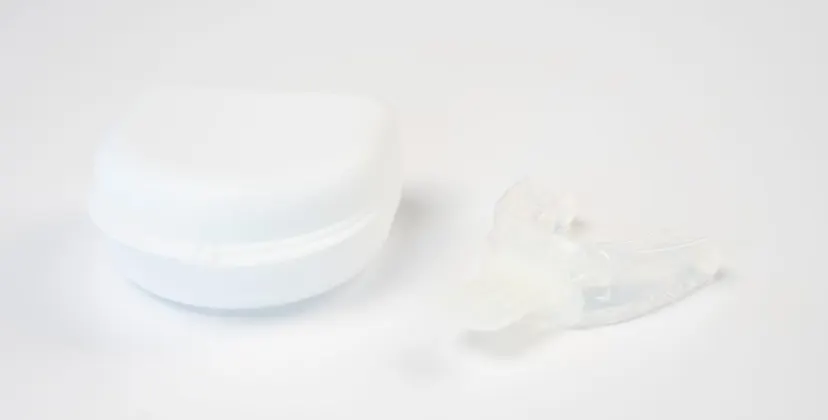
Nasal Strips vs. CPAP: Which is the Better Option for Snoring?
Pros:
1. Highly effective: CPAP is considered the most effective treatment for snoring and sleep apnea.
2. Customizable pressure: The air pressure can be adjusted to fit the individual’s needs.
3. Improves sleep quality: CPAP not only reduces snoring but also improves sleep quality and decreases daytime fatigue.
4. Health benefits: CPAP can also have positive effects on overall health, such as reducing the risk of heart disease and stroke.
Cons:
1. Invasive: CPAP involves wearing a mask and using a machine, which can be uncomfortable for some people.
2. Adjustment period: It may take some time to get used to wearing a mask and sleeping with the machine.
3. Cost: CPAP machines and masks can be expensive, and they may not be covered by insurance.
Which is the Better Option?
Both nasal strips and CPAP have their pros and cons, but which one is the better option for snoring? The answer depends on the severity of snoring and the underlying cause.
If snoring is mild and mainly caused by nasal congestion or allergies, nasal strips may provide sufficient relief. They are easy to use, readily available, and cost-effective. However, if snoring is severe and associated with sleep apnea, CPAP is the recommended treatment. CPAP is highly effective and can prevent serious health issues related to sleep apnea.
It is essential to consult with a doctor or sleep specialist to determine the underlying cause of snoring and the best treatment option. In some cases, a combination of nasal strips and CPAP may be necessary for optimal results.
In summary, both nasal strips and CPAP can be effective in reducing snoring, but they target different causes. Nasal strips are a non-invasive and temporary solution, while CPAP is a more invasive but highly effective treatment for snoring and sleep apnea. Consult with a healthcare professional to determine the best option for your individual needs.