
Snoring and allergies are common issues that many people face, and they can significantly impact a person’s quality of life. Snoring can disrupt sleep for not only the person snoring but also their partner, leading to fatigue and irritability during the day. Allergies, on the other hand, can cause a range of symptoms such as sneezing, congestion, and itchy eyes, making it difficult to go about daily activities. Many people turn to natural remedies or mouthpieces to alleviate these issues, but which is the best solution? In this blog post, we will explore the pros and cons of natural remedies and mouthpieces, and which one may be the best solution for snoring and allergies.
Natural remedies have been used for centuries to treat various health issues, including snoring and allergies. These remedies often use ingredients found in nature, such as herbs, essential oils, and spices, to provide relief. The appeal of natural remedies lies in their perceived safety and lack of side effects. However, their effectiveness is not backed by scientific evidence, and they may not work for everyone.
One popular natural remedy for snoring is using essential oils. Peppermint, eucalyptus, and lavender are often recommended for their ability to open up the airways and reduce congestion. These oils can be inhaled directly or used in a diffuser. While some people may find relief with essential oils, others may not experience any improvement. Additionally, essential oils can be potent and may cause skin irritation or allergic reactions in some individuals.
Another natural remedy for snoring is using herbs such as chamomile, valerian, and passionflower. These herbs are known for their calming and sedative effects, which can help relax the muscles in the throat that contribute to snoring. However, the effectiveness of these herbs for snoring is still under debate, and they may interact with certain medications. It is essential to consult with a healthcare professional before trying any herbal remedies.
For allergies, natural remedies such as consuming local honey, using saline nasal sprays, and using steam inhalation are often recommended. Local honey is believed to contain small amounts of local pollen, which can help desensitize the body to allergens. Saline nasal sprays can help moisturize and clear out the nasal passages, providing temporary relief from congestion. Steam inhalation can also help with congestion by loosening mucus and soothing irritated nasal passages. However, these remedies may not provide long-term relief and may not work for severe allergies.
Natural Remedies vs. Mouthpieces: Which Is the Best Solution for Snoring and Allergies?
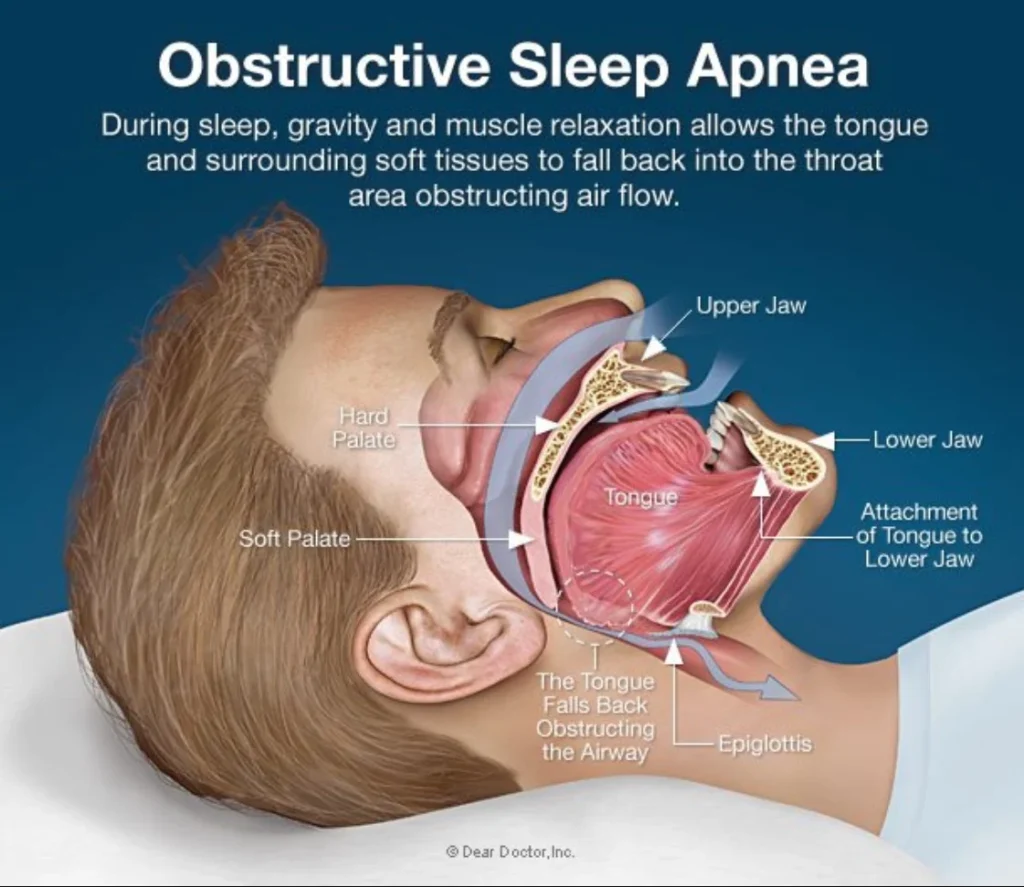
On the other hand, mouthpieces, also known as oral appliances, are a popular solution for snoring and allergies. These devices are designed to keep the airway open by repositioning the jaw or tongue, preventing the soft tissues in the throat from collapsing and causing snoring. They are often custom-made by a dentist or orthodontist and can be worn while sleeping. Mouthpieces have been clinically proven to be effective in reducing snoring and mild to moderate obstructive sleep apnea. They are also relatively safe to use, with minimal side effects such as jaw discomfort or drooling.
For allergies, mouthpieces can also provide relief by keeping the airway open and reducing congestion. Some mouthpieces are specifically designed for allergy sufferers, with features such as air filters or nasal dilators to improve breathing. However, it is essential to note that mouthpieces may not be suitable for severe allergies and may not provide complete relief.
In summary, both natural remedies and mouthpieces have their pros and cons when it comes to treating snoring and allergies. Natural remedies may be appealing due to their perceived safety and lack of side effects, but their effectiveness is not backed by scientific evidence. Mouthpieces, on the other hand, have been clinically proven to be effective in reducing snoring and mild to moderate obstructive sleep apnea. However, they may not work for severe allergies and may cause discomfort.
Ultimately, the best solution for snoring and allergies may vary from person to person. It is essential to consult with a healthcare professional to determine the underlying cause of snoring and allergies and to find the most suitable treatment option. Some people may find relief with natural remedies, while others may benefit from using a mouthpiece. It is also crucial to consider lifestyle changes, such as maintaining a healthy weight, avoiding allergens, and practicing good sleep hygiene, to effectively manage snoring and allergies.
In conclusion, snoring and allergies can significantly impact a person’s quality of life, but there are various treatment options available. Natural remedies and mouthpieces are two popular solutions, each with their own set of benefits and drawbacks. It is essential to weigh these factors and consult with a healthcare professional to determine the best solution for snoring and allergies.