
Menopause is a natural and inevitable part of a woman’s life, but it can come with a host of uncomfortable symptoms, including snoring. Many women experience snoring during menopause due to hormonal changes and other physiological factors. This can not only disrupt their own sleep, but also their partners’ sleep. In this blog post, we will discuss the causes of menopausal snoring and provide tips for navigating this issue to get a better night’s sleep.
Causes of Menopausal Snoring:
During menopause, women experience a decrease in estrogen and progesterone hormones, which can lead to a variety of physical changes. One of these changes is the relaxation of the throat muscles, which can cause snoring. Additionally, menopause can also lead to weight gain, which can contribute to snoring. Other factors that can contribute to menopausal snoring include alcohol consumption, smoking, and certain medications.
Tips for Navigating Menopausal Snoring:
1. Maintain a Healthy Weight:
As mentioned earlier, weight gain during menopause can contribute to snoring. Therefore, it is important to maintain a healthy weight through regular exercise and a balanced diet. This can not only help reduce snoring, but also improve overall health.
2. Avoid Alcohol and Smoking:
Both alcohol and smoking can relax the throat muscles and lead to snoring. It is best to avoid or limit these substances, especially close to bedtime.
3. Practice Good Sleep Hygiene:
Establishing a bedtime routine and following good sleep hygiene practices can help reduce snoring. This includes avoiding caffeine and heavy meals before bedtime, creating a comfortable sleep environment, and sticking to a regular sleep schedule.
4. Use Nasal Strips or Nasal Dilators:
Nasal strips and nasal dilators can help improve airflow and reduce snoring. These devices work by opening up the nasal passages, making it easier to breathe through the nose instead of the mouth.
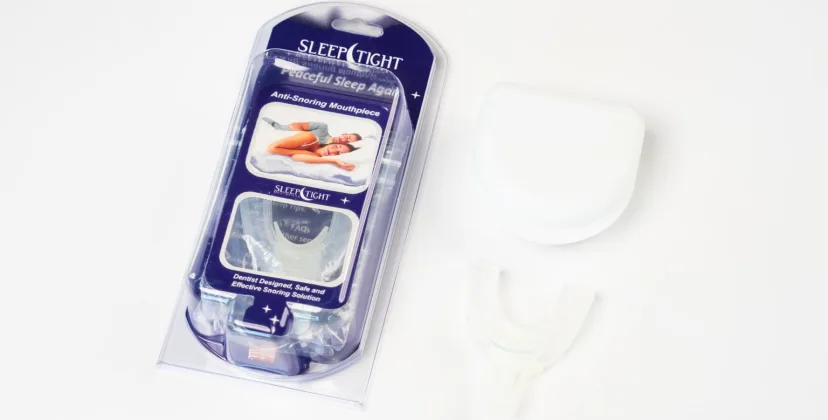
Navigating Menopausal Snoring: Tips for a Better Night's Sleep
5. Try Different Sleeping Positions:
Certain sleeping positions can make snoring worse. Sleeping on your back can cause the tongue to fall back and block the airway, leading to snoring. Instead, try sleeping on your side or using a body pillow to keep you in a comfortable position throughout the night.
6. Use a Humidifier:
Dry air can irritate the throat and cause snoring. Using a humidifier can add moisture to the air and help reduce snoring. This is especially beneficial for women going through menopause, as hormonal changes can also lead to dryness in the throat.
7. Consider Hormone Therapy:
If menopausal symptoms, including snoring, are significantly impacting your quality of life, you may want to consider hormone therapy. This treatment can help balance hormone levels and alleviate symptoms such as snoring.
8. Consult with a Doctor:
If your snoring is severe and affecting your sleep and daily life, it is important to consult with a doctor. They can help determine the underlying cause of your snoring and provide personalized treatment options.
In summary, menopausal snoring is a common issue that can disrupt a woman’s sleep and her partner’s sleep. By maintaining a healthy weight, avoiding alcohol and smoking, practicing good sleep hygiene, using nasal strips or dilators, trying different sleeping positions, using a humidifier, considering hormone therapy, and consulting with a doctor, women can navigate menopausal snoring and improve their sleep quality.
SEO metadata: