
Navigating the World of CPAP Masks for Snoring Treatment
Snoring is a common issue that affects millions of people around the world. It can interrupt sleep, cause strain on relationships, and even indicate underlying health problems. Many people turn to Continuous Positive Airway Pressure (CPAP) masks as a solution for snoring treatment. However, navigating the world of CPAP masks can be overwhelming and confusing. With so many options available, it can be challenging to determine which mask is the best fit for your needs. In this blog post, we will discuss the different types of CPAP masks, the factors to consider when choosing a mask, and tips for finding the right fit.
Types of CPAP Masks
There are three main types of CPAP masks: nasal masks, nasal pillow masks, and full-face masks. Each type has its advantages and disadvantages, and it is essential to understand the differences before making a decision.
Nasal masks cover the nose and are secured with straps that go around the head. They are the most common type of CPAP mask and are suitable for people who breathe through their nose while sleeping. Nasal masks are suitable for those who move around a lot during sleep, as they are less likely to come off than other types of masks. They also provide a more natural airflow, making them a comfortable option for many users. However, some users may find the straps uncomfortable or have difficulty finding the right fit.
Nasal pillow masks are similar to nasal masks but use soft prongs that fit into the nostrils instead of covering the entire nose. These masks are ideal for people who tend to feel claustrophobic with traditional masks or have facial hair that interferes with a secure fit. The direct airflow from the nasal prongs can also be a more comfortable option for some users. However, they may not be suitable for those who have trouble breathing through their nose or experience nasal congestion.
Full-face masks cover both the nose and mouth and are secured with straps that go around the head. They are the best option for mouth breathers or those who have difficulty breathing through their nose. Full-face masks also work well for people with allergies or congestion as they allow for breathing through the mouth. However, some users may find them bulky and uncomfortable, and they may also be prone to leakage.
Factors to Consider When Choosing a Mask
When choosing a CPAP mask, there are several factors to keep in mind to ensure the best fit and comfort. These include mask size, mask features, and personal preferences.
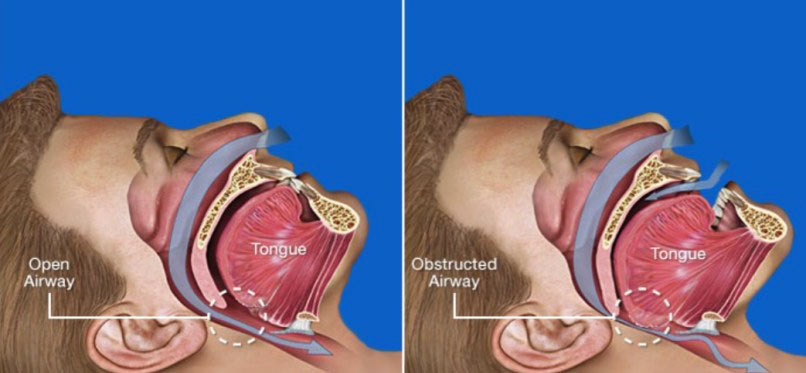
Navigating the World of CPAP Masks for Snoring Treatment
Mask Size: Most CPAP masks come in different sizes to fit various face shapes and sizes. It is essential to get the right size for maximum effectiveness and comfort. The mask should create a seal around the nose or mouth without being too tight or causing discomfort.
Mask Features: Different masks have various features that can affect comfort and performance. For example, some masks have adjustable straps for a more customized fit, while others have gel cushions to reduce pressure on the face. It is essential to research and try out different mask features to find what works best for you.
Personal Preferences: Everyone has unique preferences, and this applies to CPAP masks as well. Some people may prefer a mask that is lightweight and easy to clean, while others may prioritize a mask that is quiet and minimizes air leakage. It is crucial to consider personal preferences when selecting a mask for snoring treatment.
Tips for Finding the Right Fit
Finding the right fit for a CPAP mask can be a trial-and-error process. However, there are a few tips that can help streamline the process and ensure a comfortable and effective fit.
Consult with a Specialist: The first step in finding the right CPAP mask is to consult with a sleep specialist or CPAP supplier. They can provide guidance on the different mask options, help determine the correct size, and make recommendations based on your specific needs.
Try on Different Masks: It is essential to try on different masks before making a decision. Most suppliers offer mask fitting services, allowing you to try out different options and determine the best fit for your face shape and personal preferences.
Adjust Straps Properly: The straps of a CPAP mask play a crucial role in its effectiveness and comfort. It is essential to adjust them according to the manufacturer’s instructions, ensuring a secure but not overly tight fit.
Maintain Good Hygiene: Keeping your CPAP mask clean is essential for maintaining good hygiene and preventing potential health issues. It is recommended to clean the mask daily using mild soap and water and to replace the mask and its parts as recommended by the manufacturer.
In conclusion, navigating the world of CPAP masks for snoring treatment can be overwhelming, but it is essential to find the right fit for maximum effectiveness and comfort. By understanding the different types of masks, considering important factors, and following tips for finding the right fit, individuals can successfully manage their snoring and improve their overall sleep quality.