
Before you try another sleep gadget, run this quick checklist:
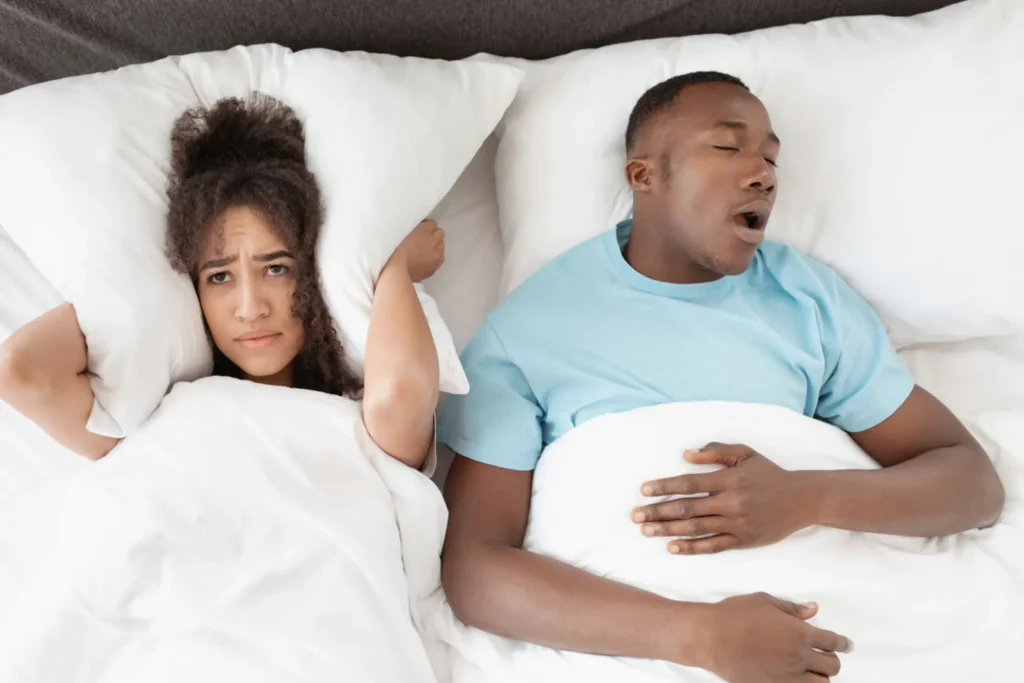
- Safety first: Do you have possible sleep apnea signs (gasping, pauses, major daytime sleepiness)?
- Goal: Are you trying to reduce noise, improve sleep quality, or both?
- Fit: Do you want a boil-and-bite style, or something that’s adjustable?
- Comfort: Any jaw pain, dental work, or sensitive gums to consider?
- Plan: Are you willing to test for 10–14 nights before judging it?
Overview: why snoring is suddenly everyone’s business
Snoring used to be a punchline. Now it shows up in conversations about sleep quality, wearable scores, relationship peace, and even workplace burnout. When people feel run-down, they start hunting for fixes that are simple, portable, and not a full lifestyle overhaul.
That’s also why snoring and sleep apnea get discussed in productivity terms. Some recent coverage has pointed to how untreated obstructive sleep apnea can ripple into daytime performance and broader economic costs. If you want the general context behind those discussions, see this Obstructive sleep apnea may cost UK and US economies billions in lost productivity.
Important nuance: not all snoring equals sleep apnea. But loud, frequent snoring is a reason to pay attention, not just laugh it off.
Timing: when to try an anti snoring mouthpiece (and when not to)
Timing matters because you’ll get clearer feedback when your routine is stable. If you start a device the same week you change pillows, begin a new workout plan, and fly across time zones, you won’t know what helped.
Good times to test
- After a “normal” week: when your sleep schedule is relatively consistent.
- Before a trip: so you’re not learning fit and comfort in a hotel at 2 a.m.
- When relationship tension is peaking: because “sleep divorce” jokes stop being funny fast.
Pause and get medical input first if…
- You wake up choking or gasping, or someone notices breathing pauses.
- You have significant daytime sleepiness, morning headaches, or high blood pressure concerns.
- You have severe jaw pain, loose teeth, or major dental issues.
Supplies: what you’ll want on night one
- Your chosen device: If you’re shopping, start with a shortlist of anti snoring mouthpiece that match your comfort and adjustability needs.
- A mirror and good light: for fitting and checking alignment.
- A phone note: to log how you feel in the morning (energy, dryness, jaw soreness).
- Basic cleaning supplies: mild soap, cool water, a ventilated case.
About trends: mouth taping and “dual therapy” sleep products have been in the headlines lately. They can sound appealing because they’re simple. Still, what’s “simple” isn’t always “right for you,” especially if nasal breathing is unreliable or sleep apnea is possible.
Step-by-step (ICI): Identify → Customize → Iterate
This is the low-drama way to test an anti snoring mouthpiece without guessing.
1) Identify your most likely snoring pattern
- Back-sleeping snorer: often louder when you roll onto your back.
- Congestion snorer: worse with allergies, colds, dry air, or travel.
- Alcohol or late-meal snorer: worse after evening drinks or heavy dinners.
You don’t need a perfect diagnosis here. You just want a baseline so you can tell if the mouthpiece is actually helping.
2) Customize the fit for comfort and consistency
Follow the product’s instructions closely. A mouthpiece that’s “kind of” fitted tends to become a drawer item. Aim for secure, not tight.
Plan for a short adjustment period. Your mouth and jaw may need several nights to adapt, especially if you’re sensitive to new sensations while falling asleep.
3) Iterate for 10–14 nights before you judge it
Use simple metrics. Did your partner nudge you less? Did you wake up fewer times? Did you feel more restored, even if your wearable score didn’t skyrocket?
If discomfort persists, stop and reassess. Jaw pain, tooth pain, or worsening sleep is a signal to change approach and consider professional guidance.
Mistakes that make people quit too early
Chasing every trend at once
One week it’s a new wearable. Next week it’s mouth taping. Then it’s a new pillow “engineered” for your airway. When everything changes, nothing is measurable.
Ignoring travel fatigue
Red-eye flights, long drives, and unfamiliar beds can amplify snoring. Add a couple of drinks at the hotel bar and your airway may be more relaxed than usual. Test your device at home first so travel doesn’t become the scapegoat.
Expecting silent perfection
The goal is often “quieter and better,” not “never make a sound again.” Even meaningful improvements can be worth it if your sleep quality and relationship harmony improve.
Missing the bigger health picture
If you suspect sleep apnea, treat that as a health priority, not a noise problem. Snoring devices may help some people, but they are not a substitute for a proper evaluation when red flags are present.
FAQ: quick answers people are searching right now
Is snoring always a sign of poor sleep quality?
No. Some people snore and still feel fine. But frequent loud snoring can track with fragmented sleep, dry mouth, and partner disruption.
What’s the difference between mouth taping and a mouthpiece?
Mouth taping aims to encourage nasal breathing by keeping lips closed. A mouthpiece typically changes jaw or tongue position to help keep the airway more open. Both have pros and risks depending on the person.
Can an anti snoring mouthpiece help if I’m burned out?
Burnout can worsen sleep, and poor sleep can worsen burnout. If snoring is part of what’s breaking your nights, reducing it may help you feel more functional during the day. It’s one piece of the puzzle.
Next step: choose a simple plan and stick with it
If you want a practical starting point, pick one approach, test it consistently, and track how you feel. Comfort and follow-through beat novelty.
How do anti-snoring mouthpieces work?
Medical disclaimer: This article is for general education and does not provide medical advice, diagnosis, or treatment. If you suspect sleep apnea or have concerning symptoms (breathing pauses, gasping, severe daytime sleepiness, chest pain, or significant jaw/dental issues), seek evaluation from a qualified clinician.