
Is your snoring wrecking your sleep quality?
Are you buying sleep gadgets because you’re tired of being tired?
Do you want an anti snoring mouthpiece that’s comfortable enough to actually wear?
Yes, snoring is having a moment. People joke about it in relationships, pack “sleep kits” for travel fatigue, and chase wearable scores during burnout weeks. Under the humor is a real goal: better sleep and better mornings.
This guide answers those three questions with a direct “if…then…” path. It focuses on tools and technique: ICI basics, comfort, positioning, and cleanup.
First, don’t ignore the bigger health picture
Snoring can be harmless. It can also be a flag for sleep-disordered breathing. Recent health coverage keeps circling back to the same point: sleep apnea matters, and it’s not just about noise.
If you suspect apnea, a mouthpiece might still play a role, but you should confirm what you’re dealing with. Start here for a high-level explainer on Central Sleep Apnea vs. Obstructive Sleep Apnea: Which Is More Serious?.
Medical disclaimer: This article is for general education, not a diagnosis or treatment plan. If you have breathing pauses, choking/gasping, chest pain, severe daytime sleepiness, or high blood pressure concerns, talk with a qualified clinician.
Your decision guide: if…then… choose your snoring move
If your snoring is mostly positional, then start with airway mechanics
If your partner says you snore more on your back, you may be dealing with airway collapse that worsens with gravity. If that’s you, focus on two levers: jaw position and tongue position.
An anti snoring mouthpiece often works by gently moving the lower jaw forward. That can create more space behind the tongue. For some people, that’s the difference between “chainsaw” and “quiet enough to sleep.”
If you wake up dry-mouthed, then check for mouth breathing and leaks
Dry mouth can signal mouth breathing. It can also show up when your lips don’t stay sealed during sleep. In the current wave of sleep trends, people try everything from nasal strips to app-guided breathing routines.
If mouth breathing is part of your pattern, consider a combo approach that supports both jaw positioning and mouth closure. One option to compare is an anti snoring mouthpiece.
If you have ADHD-style “wired at bedtime” nights, then simplify your setup
Sleep advice for ADHD often emphasizes consistency and reducing friction. The same idea applies here. A mouthpiece only helps if you can stick with it.
Pick a routine you can repeat on autopilot: quick rinse, seat the device, lights out. Skip the 12-step gadget stack that turns bedtime into a project.
If comfort is your deal-breaker, then prioritize fit and gentle progression
Comfort isn’t a luxury. It’s the whole game. If the device feels bulky, rubs your gums, or makes you drool nonstop, you won’t use it.
- Start low and slow: Wear it for short periods before sleep to acclimate.
- Watch jaw feedback: Mild morning tightness can happen early. Persistent pain is not a “push through” situation.
- Check lip seal: If your lips pop open, snoring can return even with good jaw position.
If travel fatigue makes snoring worse, then protect the basics first
Red-eye flights, hotel pillows, and late dinners can turn a quiet sleeper into a noisy one. That doesn’t mean you need a suitcase full of sleep tech.
Bring the basics you can control: your mouthpiece, a small case, and a simple cleaning plan. Keep alcohol close to bedtime in mind too, since it can relax airway muscles and worsen snoring for many people.
Technique that matters: ICI basics (in, comfort, hygiene)
Think of this as the three-part checklist that keeps a mouthpiece from becoming “one more drawer purchase.”
In: getting the device seated the same way each night
Seat it fully and evenly. If it’s slightly off-center, you may feel pressure on one side, and you may lose the airway benefit. Consistency beats constant tinkering.
Comfort: reduce pressure points before they become a reason to quit
Pay attention to gum irritation, tooth pressure, and jaw tension. Small issues can snowball. If you notice bite changes or jaw clicking, stop and get professional guidance.
Hygiene: quick cleanup so it doesn’t get gross
Rinse after use. Brush gently with mild soap and a soft brush. Let it air-dry in a ventilated case. Avoid hot water unless the product directions say it’s safe.
When a mouthpiece is not the right “DIY” move
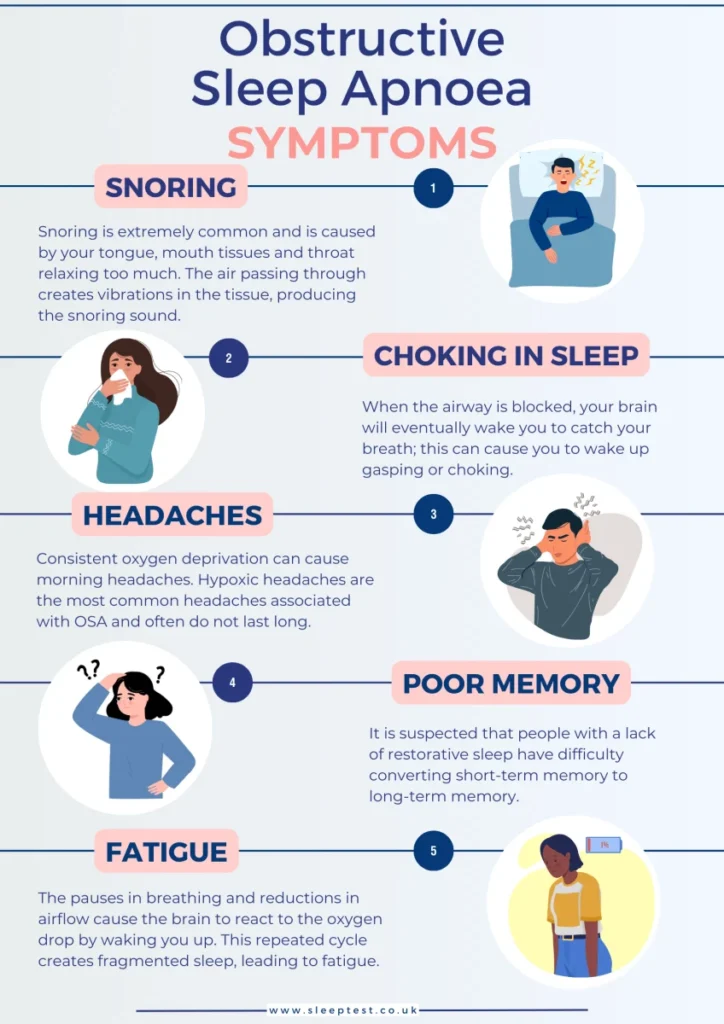
Don’t treat loud snoring like a joke if any of these show up:
- Witnessed breathing pauses
- Choking or gasping during sleep
- Morning headaches, high sleepiness, or concentration problems
- High blood pressure or heart concerns discussed with your clinician
These symptoms can align with sleep apnea. Different types exist, and the right solution depends on the cause. A mouthpiece can be helpful for some people, but it’s not a universal substitute for medical care.
FAQ: quick answers before you buy or retry
Do anti-snoring mouthpieces work for everyone?
No. They’re best for snoring linked to jaw/tongue position. Other drivers may need different tools.
How long until I notice a difference?
Some people notice changes the first night. Others need an adjustment period and better positioning habits.
Is drooling normal?
It can happen early on. If it persists, the device may be too bulky or not seated well.
Can I use one if I have dental work?
It depends. Crowns, bridges, or TMJ history can change what’s appropriate. Ask a dentist if you’re unsure.
CTA: pick the simplest plan you’ll actually follow
Snoring solutions don’t need to be trendy to work. Choose one path, run it for a couple of weeks, and track how you feel in the morning. Better sleep quality is the real scoreboard.