
Blog Post: Overcoming Sleep Paralysis and Snoring: The Role of a Mouthpiece
Sleep paralysis and snoring are two common sleep disorders that can greatly affect one’s quality of sleep and overall well-being. While sleep paralysis is a temporary inability to move or speak during sleep, snoring is a loud and disruptive noise caused by vibrations in the upper airway. Both can be frustrating and even dangerous, as they can lead to daytime fatigue, poor concentration, and other health issues. However, there is a simple solution that can help alleviate these problems – a mouthpiece. In this blog post, we will explore the role of a mouthpiece in overcoming sleep paralysis and snoring and how it can improve your sleep and overall health.
Understanding Sleep Paralysis
Sleep paralysis is a phenomenon that occurs when the body is transitioning between different stages of sleep. During this transition, the body is in a state of paralysis, which is a natural safety mechanism to prevent us from acting out our dreams. However, in some cases, the mind may become conscious before the body fully wakes up, resulting in a feeling of being trapped in one’s own body.
Sleep paralysis can be a terrifying experience, with some people reporting hallucinations and a sense of being suffocated. It can also lead to feelings of anxiety and fear, which can further disrupt one’s sleep. While the exact cause of sleep paralysis is still unknown, it is often associated with factors such as stress, sleep deprivation, and certain medications.
The Role of a Mouthpiece in Overcoming Sleep Paralysis
One of the most effective ways to overcome sleep paralysis is to improve the quality of your sleep. This is where a mouthpiece comes in. A mouthpiece, also known as an oral appliance, is a small, custom-fit device that is worn in the mouth while sleeping. It works by keeping the airway open and preventing the tongue and soft tissues from collapsing and blocking the airway, which is a common cause of snoring and sleep apnea.
By wearing a mouthpiece, you can improve the flow of air and oxygen to your brain, reducing the chances of experiencing sleep paralysis. It can also help you achieve a deeper and more restful sleep, reducing the frequency and severity of sleep paralysis episodes. Additionally, a mouthpiece can help alleviate the anxiety and fear associated with sleep paralysis, as it provides a feeling of safety and control over one’s breathing.
Understanding Snoring
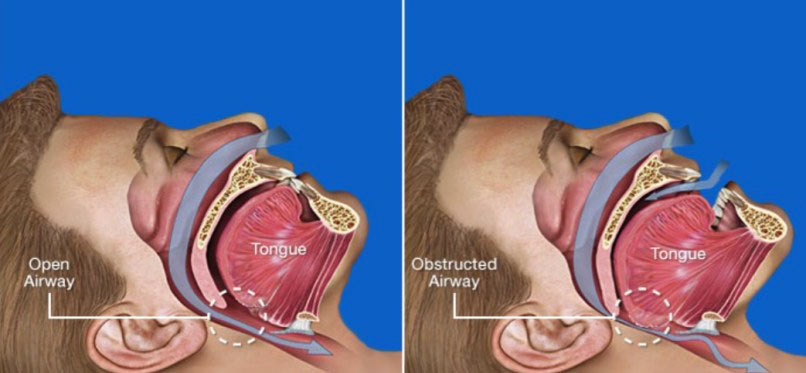
Overcoming Sleep Paralysis and Snoring: The Role of a Mouthpiece
Snoring is the sound created by vibrations in the upper airway during sleep. It is a common problem, with studies showing that around 40% of adults snore regularly. While snoring may seem like a harmless annoyance, it can actually be a symptom of a more serious condition called obstructive sleep apnea (OSA). OSA occurs when the airway becomes completely blocked, causing the person to stop breathing for short periods of time. This can lead to a host of health problems, including high blood pressure, heart disease, and stroke.
The Role of a Mouthpiece in Overcoming Snoring
As mentioned earlier, a mouthpiece is an effective solution for snoring as it helps keep the airway open and prevents the tongue and soft tissues from collapsing. By wearing a mouthpiece, you can reduce or eliminate snoring, allowing both you and your partner to get a good night’s sleep. It can also improve the quality of your sleep, as snoring can disrupt the normal sleep cycle, leading to daytime fatigue and other health issues.
Choosing the Right Mouthpiece
There are various types of mouthpieces available on the market, and it is essential to choose the right one for your specific needs. The two main types of mouthpieces are mandibular advancement devices (MADs) and tongue-retaining devices (TRDs). MADs work by holding the lower jaw in a slightly forward position, while TRDs hold the tongue in place to keep the airway open.
It is important to consult with a dentist or sleep specialist before choosing a mouthpiece, as they can help determine the underlying cause of your snoring or sleep paralysis and recommend the best type of mouthpiece for you. It is also crucial to get a custom-fit mouthpiece rather than a one-size-fits-all option, as it will provide the most comfort and effectiveness.
In addition to wearing a mouthpiece, it is also essential to maintain good sleep hygiene practices, such as sticking to a regular sleep schedule, avoiding caffeine and heavy meals close to bedtime, and creating a comfortable sleep environment.
In conclusion, sleep paralysis and snoring can greatly impact one’s quality of sleep and overall health. However, a mouthpiece can play a significant role in overcoming these sleep disorders. By keeping the airway open and improving the flow of air and oxygen to the brain, a mouthpiece can reduce the frequency and severity of sleep paralysis episodes and eliminate snoring. It is important to consult with a professional and choose the right type of mouthpiece for your specific needs. With proper care and maintenance, a mouthpiece can greatly improve your sleep and overall well-being.
Summary:
Sleep paralysis and snoring are two common sleep disorders that can greatly affect one’s quality of sleep and overall well-being. Sleep paralysis is a temporary inability to move or speak during sleep, while snoring is a loud and disruptive noise caused by vibrations in the upper airway. Both can be alleviated with the use of a mouthpiece, which works by keeping the airway open and preventing the tongue and soft tissues from collapsing. A mouthpiece can also improve the flow of air and oxygen to the brain, leading to a deeper and more restful sleep. It is important to consult with a professional to choose the right type of mouthpiece for your specific needs. By wearing a mouthpiece, you can overcome sleep paralysis and snoring and improve your overall health and well-being.