
Pillow Talk: A Comprehensive Guide to Choosing the Right One for Snoring
Do you struggle with snoring? Not only can it disrupt your sleep, but it can also affect your partner’s sleep and your overall health. One solution to snoring is finding the right pillow. With so many options on the market, it can be overwhelming to know which one is the best for your needs. In this blog post, we will discuss everything you need to know about choosing the right pillow for snoring, from understanding the causes of snoring to the different types of pillows available.
Understanding the Causes of Snoring
Before diving into pillow options, it’s important to understand the causes of snoring. Snoring occurs when the airway is partially blocked, causing vibrations in the throat. This can be due to various factors such as sleep position, allergies, or even the structure of your airway. It’s essential to identify the cause of your snoring to determine the best pillow for your needs.
Types of Pillows for Snoring
1. Anti-Snoring Pillows
Anti-snoring pillows are specifically designed to keep your airway open and reduce snoring. These pillows often have a unique shape, such as a wedge or contour design, to elevate your head and neck and keep your airway aligned. They can also have memory foam or adjustable fill to provide customized support.
2. Side Sleeper Pillows
Sleeping on your side is often the recommended position for those who snore. This is because it helps keep your airway open and reduces pressure on your throat. Side sleeper pillows are designed with a firmer edge to provide support and keep your head and neck in a proper position. They can also have a depression in the center to cradle your head and keep it from rolling to either side.
3. Memory Foam Pillows
Memory foam pillows are known for their ability to contour to your head and neck, providing personalized support. This can be beneficial for snorers as it helps keep your airway aligned and reduces pressure on your throat. Memory foam pillows also have a longer lifespan compared to other types of pillows, making them a worthwhile investment.
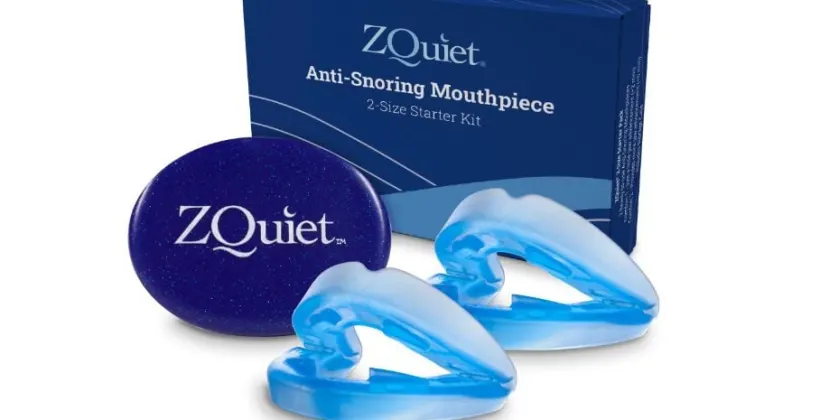
Pillow Talk: A Comprehensive Guide to Choosing the Right One for Snoring
4. Latex Pillows
Similar to memory foam, latex pillows also offer contouring support. However, they have a bouncier feel and are more responsive to your movements. Latex is also naturally hypoallergenic, making it a great option for those who have allergies that contribute to their snoring.
5. Adjustable Pillows
If you’re unsure which pillow type is best for you, an adjustable pillow may be the answer. These pillows typically have a zipper or insert that allows you to add or remove fill to achieve your desired level of support. This can be beneficial for those who have a combination of snoring causes or are still experimenting with different pillow options.
Other Factors to Consider
Aside from the type of pillow, there are other factors to consider when choosing the right one for snoring. These include:
– Firmness: A pillow that is too soft can cause your head to sink in, blocking your airway, while a pillow that is too firm can create pressure on your throat. Look for a pillow with medium to firm support.
– Hypoallergenic: If allergies are a contributing factor to your snoring, look for pillows made from hypoallergenic materials such as bamboo or latex.
– Cooling Features: Some pillows come with cooling properties that can be beneficial for snorers who tend to overheat at night.
– Pillow Size: A pillow that is too small or too large can affect your sleeping position and contribute to snoring. Choose a pillow that is the right size for your body.
Incorporating Other Remedies
While finding the right pillow can help reduce snoring, it’s essential to incorporate other remedies as well. These can include:
– Sleeping on your side: As mentioned earlier, sleeping on your side can help keep your airway open and reduce snoring.
– Keeping a consistent sleep schedule: Going to bed at the same time every night can help regulate your sleep pattern and reduce snoring.
– Avoiding alcohol and sedatives before bed: These substances can relax your throat muscles and contribute to snoring.
In summary, when choosing the right pillow for snoring, it’s important to consider the type of pillow, firmness, hypoallergenic properties, cooling features, and size. It’s also essential to incorporate other remedies and identify the cause of your snoring to find the most effective solution. With these tips in mind, you can finally get a good night’s sleep without the disruptive sound of snoring.