
Positional Therapy 101: The Basics of Managing Snoring
Snoring is a common issue that affects millions of people worldwide. It can be disruptive to sleep, causing fatigue and irritability during the day. While there are various causes of snoring, one of the most common factors is the position in which a person sleeps. This is where positional therapy comes in. Positional therapy is a non-invasive and effective way to manage snoring by changing the sleeping position. In this blog post, we will explore the basics of positional therapy and how it can help manage snoring.
What is Positional Therapy?
Positional therapy is a form of treatment that involves changing the sleeping position to manage snoring. It focuses on keeping the airway open by preventing the tongue and soft tissues in the throat from collapsing and obstructing the airway. This is achieved by encouraging the sleeper to sleep on their side or stomach, rather than on their back. By doing so, the gravitational pull on the tongue and soft tissues is reduced, allowing for better airflow and reducing or eliminating snoring.
How Does Positional Therapy Work?
Positional therapy works by using various devices to encourage the sleeper to remain in a specific position while they sleep. These devices can range from pillows and wedges to specialized shirts and belts. The goal of these devices is to make it uncomfortable or difficult for the sleeper to sleep on their back, thus promoting side or stomach sleeping.
One of the most common devices used in positional therapy is a positional pillow. These pillows are designed to support the head and neck while keeping the sleeper in a side or stomach position. They are often contoured to fit the body and prevent the sleeper from rolling onto their back. Positional pillows are also adjustable, allowing for a customized fit for each individual.
Another device used in positional therapy is a positional shirt or belt. These garments have a pocket or pouch on the back that holds a small ball or object. This ball serves as a physical reminder to the sleeper to remain on their side or stomach while they sleep. Some shirts and belts also come with sensors that vibrate when the sleeper rolls onto their back, prompting them to change positions.
Benefits of Positional Therapy
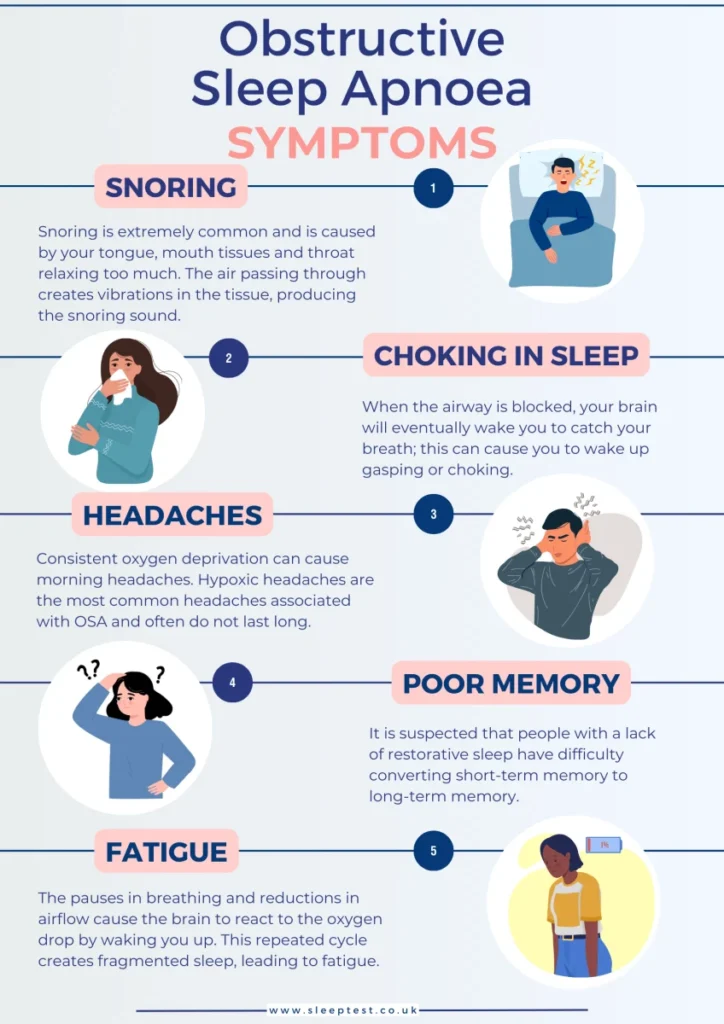
Positional Therapy 101: The Basics of Managing Snoring
Positional therapy has several advantages over other forms of snoring management. Firstly, it is a non-invasive and natural solution that does not require medication or surgery. This makes it a safer option for those who prefer to avoid medication or are not suitable candidates for surgery.
Secondly, positional therapy has been proven to be effective in managing snoring. A study published in the Journal of Clinical Sleep Medicine found that 70% of participants experienced a reduction in snoring and improved sleep quality after using a positional pillow. This shows that positional therapy can be an effective solution for those struggling with snoring.
Lastly, positional therapy is a cost-effective option compared to other treatments. While continuous positive airway pressure (CPAP) machines and oral appliances can be expensive, positional therapy devices are relatively affordable and can be used long-term without any additional costs.
Tips for Managing Snoring with Positional Therapy
Here are some tips to help you effectively manage snoring with positional therapy:
1. Choose the right device: There are many types of positional therapy devices available, so it’s essential to find one that works best for you. Consider factors such as comfort, adjustability, and effectiveness when selecting a device.
2. Be consistent: Consistency is key when using positional therapy. Make sure to use the device every night to see the best results.
3. Combine with other methods: While positional therapy can be effective on its own, combining it with other methods such as weight loss, quitting smoking, and avoiding alcohol before bedtime can further improve the management of snoring.
4. Consult with a doctor: If snoring persists despite using positional therapy, it’s essential to consult with a doctor. They can help determine the underlying cause of snoring and provide additional treatment options if needed.
In conclusion, positional therapy is a simple and effective way to manage snoring. By changing sleeping positions, it can help keep the airway open and reduce or eliminate snoring. With the variety of devices available and its proven effectiveness, it is a viable option for those looking to improve their sleep quality and reduce snoring.